Addressing Structural Gaps in India's Startup Ecosystem to Capture Global Capital
Experts urge India to address structural gaps, including tax regimes and growth-stage funding, to attract more global venture capital. Despite being the world's third-largest startup hub, India's share of global AI investment remains low, necessitating a shift toward frontier technology and policy reform.
Highlights
- •India ranks third globally in startup density but lags behind the US and China in total venture capital funding.
- •In 2025, India secured only 1% of global AI startup funding, totaling approximately $1.35 billion.
- •Experts suggest shifting focus from localized solutions to frontier technologies to capture global investor interest.
- •Policy reforms regarding tax efficiency, capital flow, and growth-stage support are recommended to attract global capital.
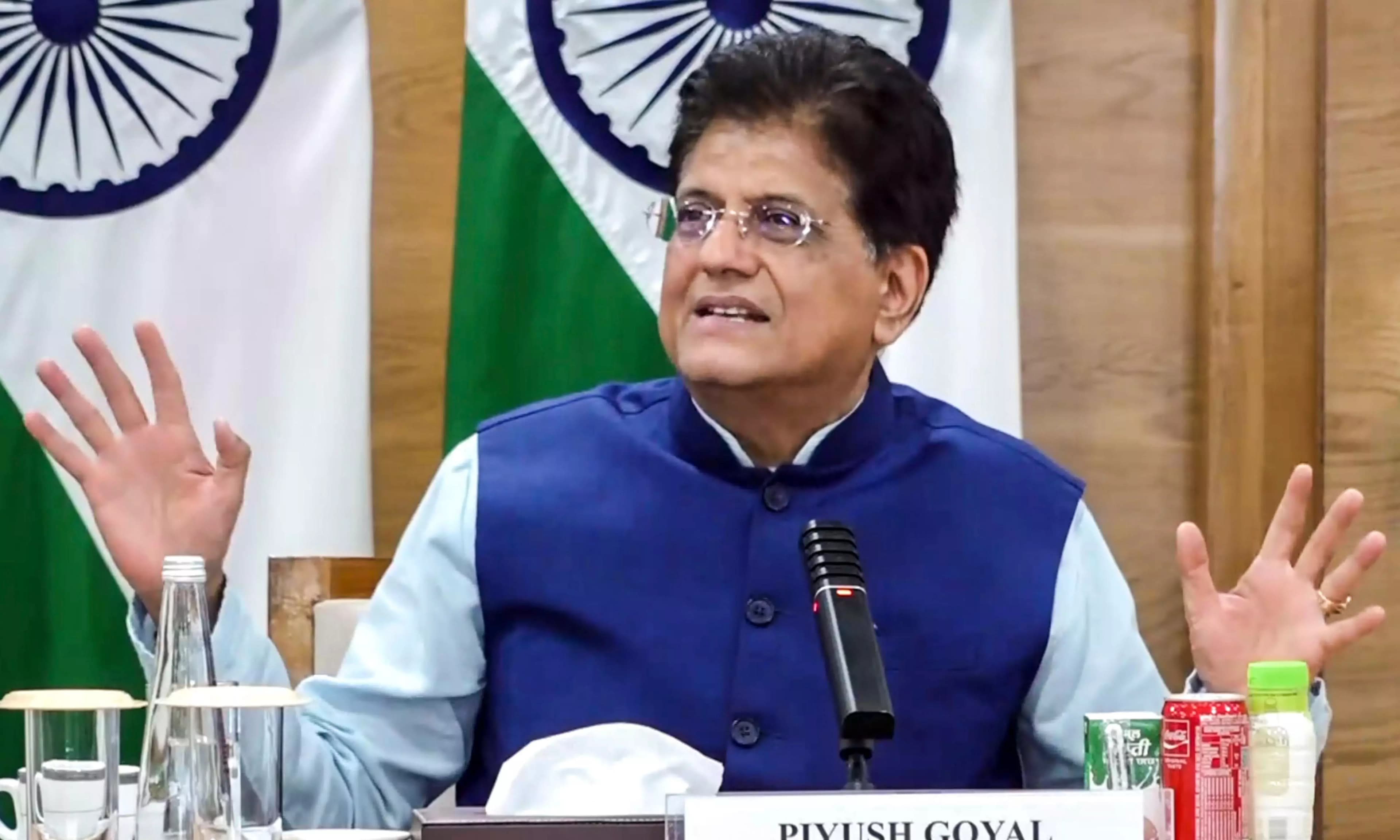
As the nation aims to solidify its position as a global leader in innovation, there is growing pressure to address structural gaps in the startup ecosystem. Although Commerce and Industry Minister Piyush Goyal has actively encouraged private equity and venture capital investors to increase their stakes in Indian companies, industry experts emphasize that foundational internal adjustments are required to attract significantly higher levels of global capital, particularly within the competitive artificial intelligence (AI) sector.
Addressing Structural Hurdles in the Startup Ecosystem
Despite maintaining the status of the world's third-largest startup landscape, India currently trails behind the United States and China in terms of total venture capital funding. According to A. Thillai Rajan, a Professor of Finance at IIT Madras, the disparity is stark: while startups in the US secured nearly $2 trillion over the last ten years, and Chinese counterparts captured approximately $1 trillion, India’s total funding reached roughly $400 billion. Of that figure, pure equity investments accounted for only $200-250 billion.
The gap widened significantly throughout 2025 as AI became the primary driver for international investment. Data indicates that the US attracted $124 billion into the AI space, supported by major players like OpenAI and Anthropic. In contrast, China garnered over $17 billion, while India secured approximately $1.35 billion, representing a mere 1% of the global total for AI startup funding.
The Need for Frontier Innovation and Growth Capital
Experts suggest that the issue extends beyond simple capital availability, focusing instead on the nature of the innovation being produced. Global investors are heavily prioritizing breakthrough technologies and foundational AI models that offer immense worldwide market potential. Conversely, Indian ventures have largely concentrated on enterprise solutions, India-specific language models, and localized applications.
Furthermore, the startup ecosystem faces challenges regarding the availability of large-scale growth capital. While international AI development thrives on investors capable of deploying billions in a very short timeframe, many Indian firms struggle through months-long processes to raise significantly smaller sums. A. Thillai Rajan notes that the historical focus on frugality and capital efficiency may no longer be adequate for sectors like deep technology, where speed and massive investment are essential for competitiveness.
To attract greater global interest, experts advocate for policy reforms that simplify capital inflows and exits, improve tax structures, and provide investors with increased certainty. The government is encouraged to act as an early customer and facilitator, connecting domestic startups with international technology ecosystems and buyers. Strengthening growth-stage funding and fostering globally competitive innovation remains a critical objective for the next phase of India's development.