African Nations Dominate as Cape Verde Makes Historic World Cup Run
The expanded 48-team World Cup marks a breakthrough for African football, with nine out of ten nations advancing to the knockout stages. Cape Verde’s historic run highlights the growing competitiveness of African teams, even as debates continue regarding the tournament's overall depth.
Highlights
- •Cape Verde makes historic knockout stage debut in expanded 48-team World Cup.
- •Nine out of ten qualified African nations progress past the group stages.
- •Major football powers struggle against improved African tactical organization and talent.
- •Debate intensifies over tournament expansion following lopsided group stage scorelines.
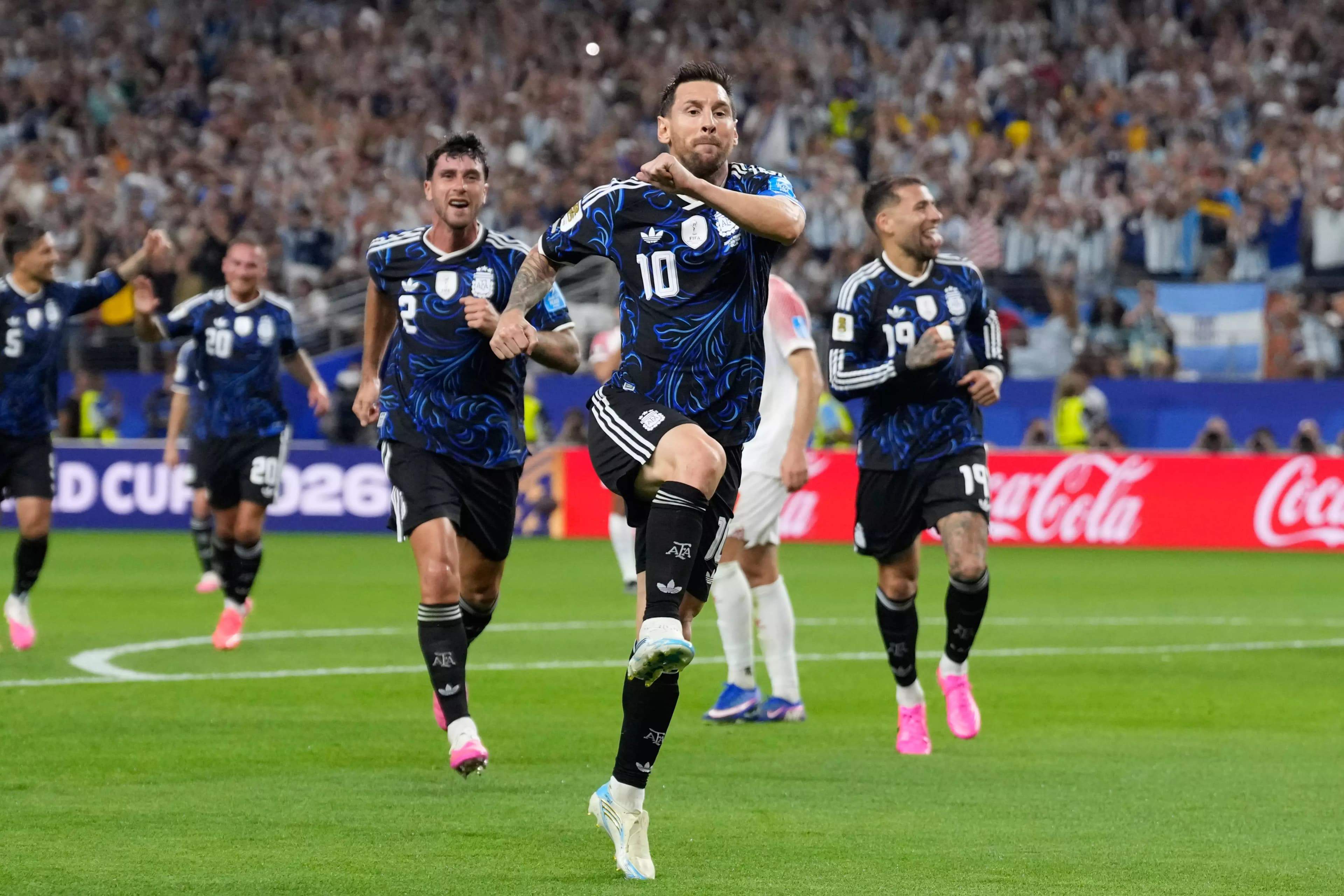
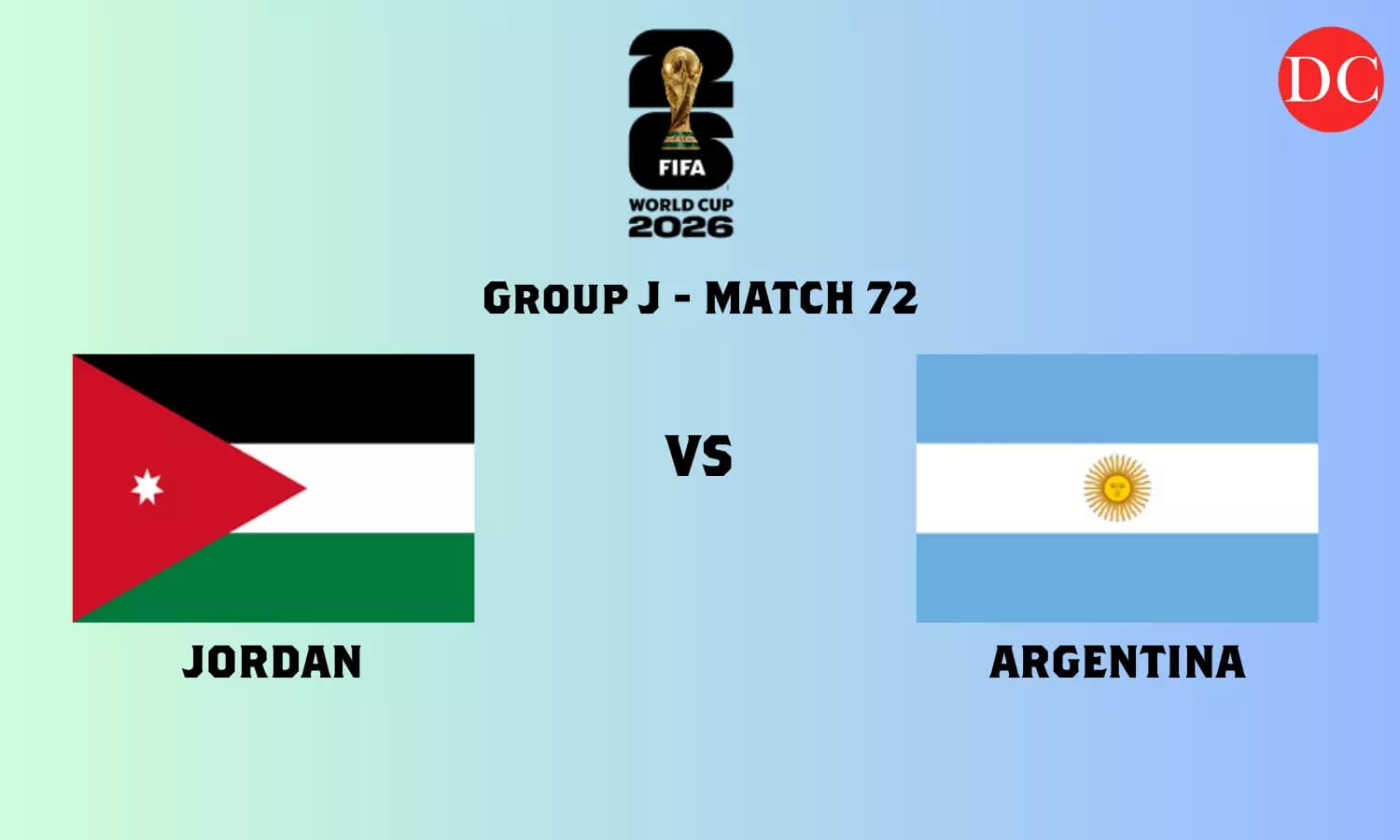
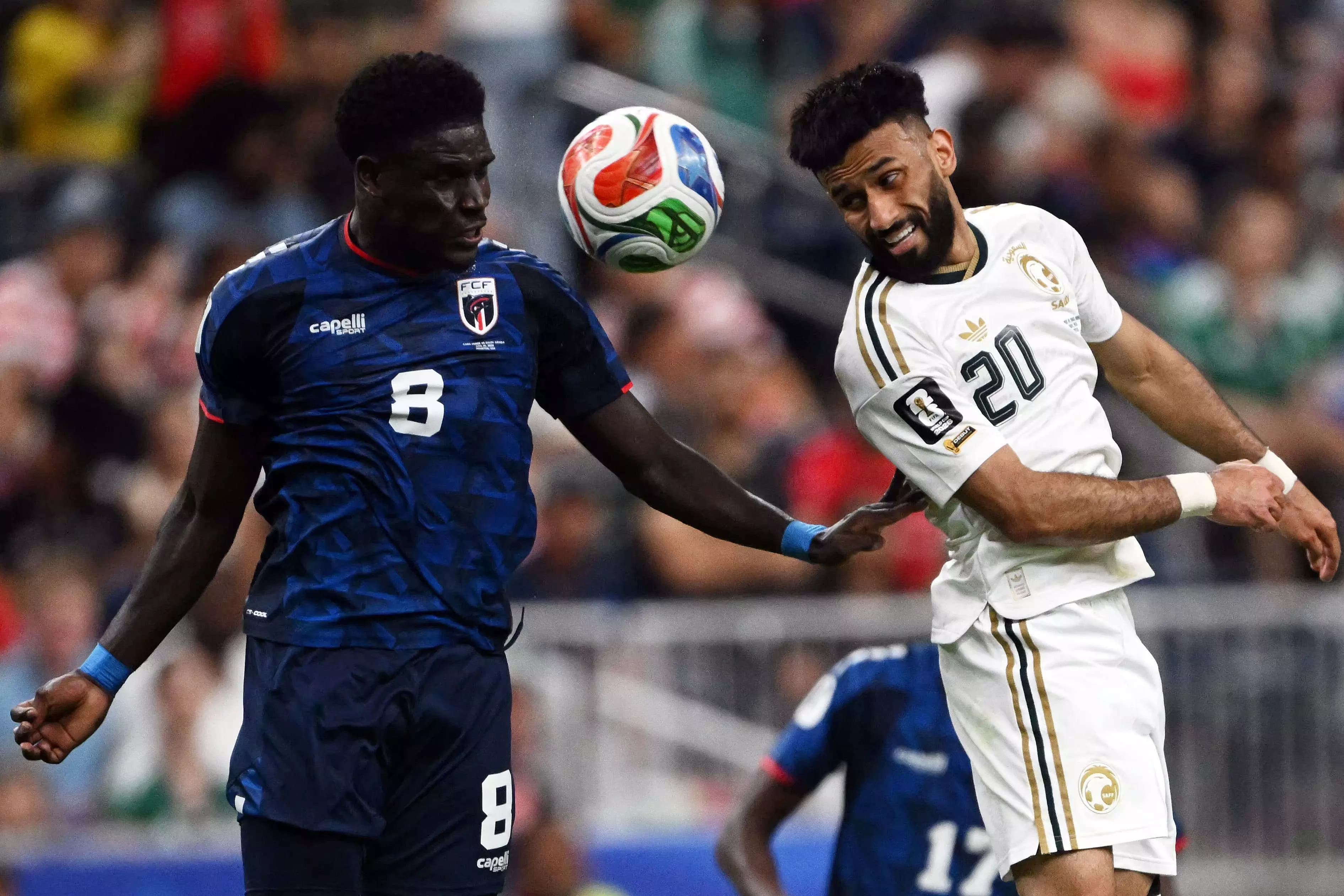
The expanded World Cup tournament is proving to be a landmark moment for African football, as nations from the continent showcase their growing prowess on the global stage. As the group stages conclude, Cape Verde has emerged as a standout success story, defying expectations to secure a spot in the knockout rounds. This historic achievement has set up an anticipated showdown against Argentina, led by football icon Lionel Messi.
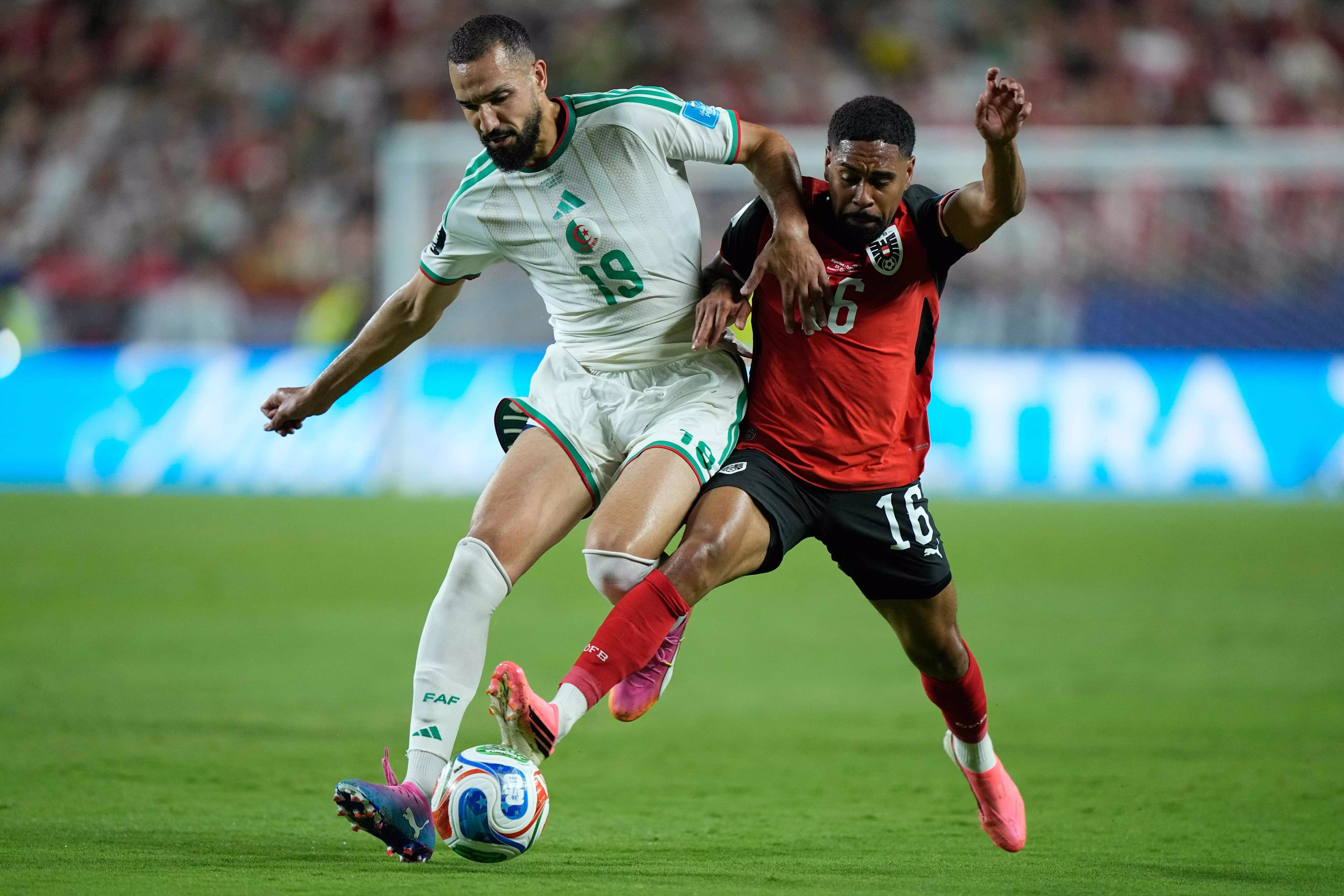
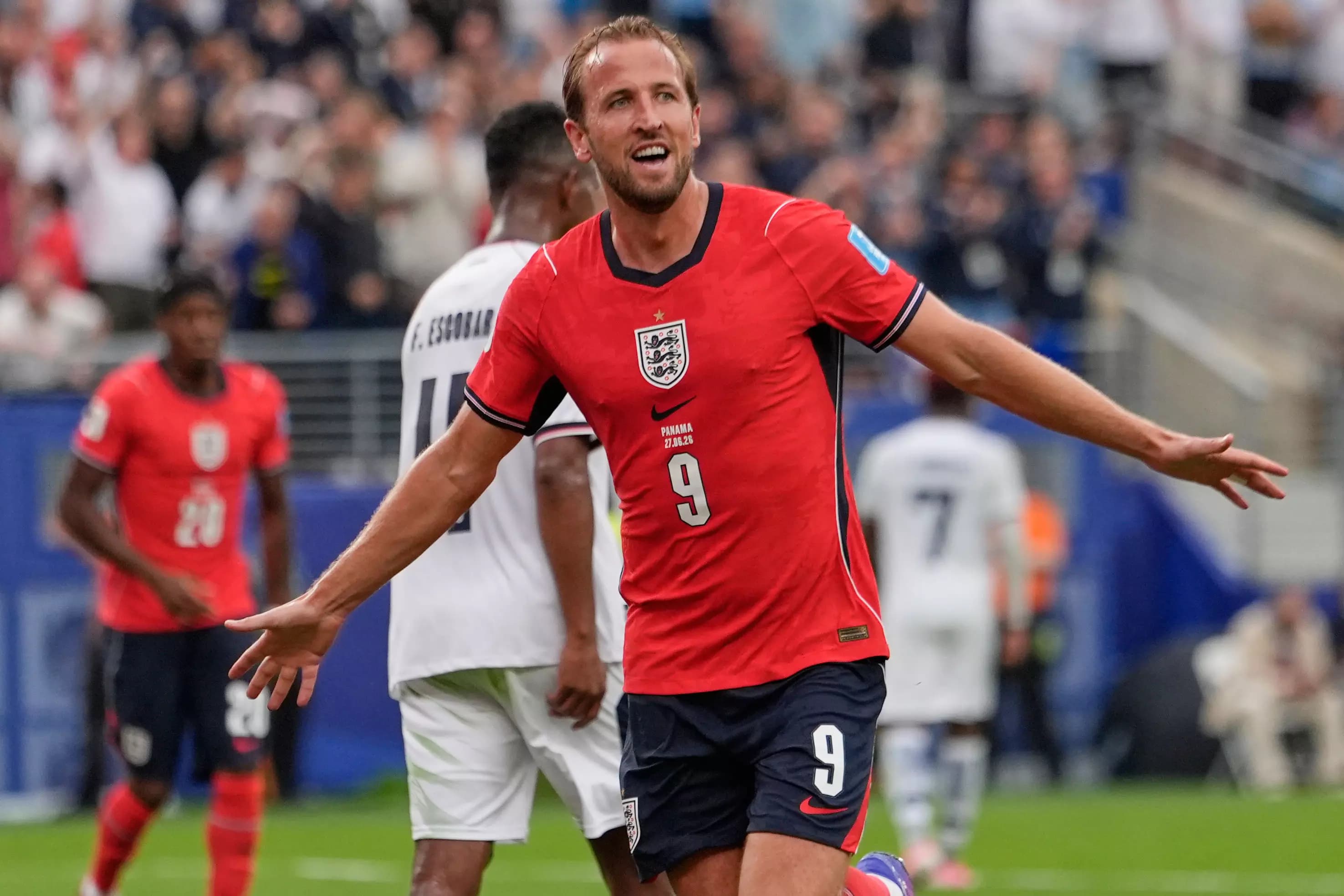
A record number of 10 African nations qualified for this year’s 48-team World Cup, and nearly all have advanced past the initial phase, with only Tunisia bowing out early. Major footballing powers including Spain, England, Portugal, and Brazil have struggled to overcome African opposition, highlighting the shifting balance of power in international football. Players like Riyad Mahrez have pointed to this widespread success as clear evidence of the rising caliber of talent and organizational strength across the continent.
African Football’s Historic Rise on the World Stage
The fairytale run of Cape Verde, representing a nation of just over 500,000 people, has been a significant boost for the tournament's organizers. The team made a memorable debut, holding European powerhouse Spain to a draw. Goalkeeper Vozinha, at the age of 40, became a global internet sensation following his stellar performance, amassing a massive social media following in the process. While Uruguay and Saudi Arabia also faced stiff competition in their groups, Cape Verde’s resilience ultimately paved their path to the last 32.
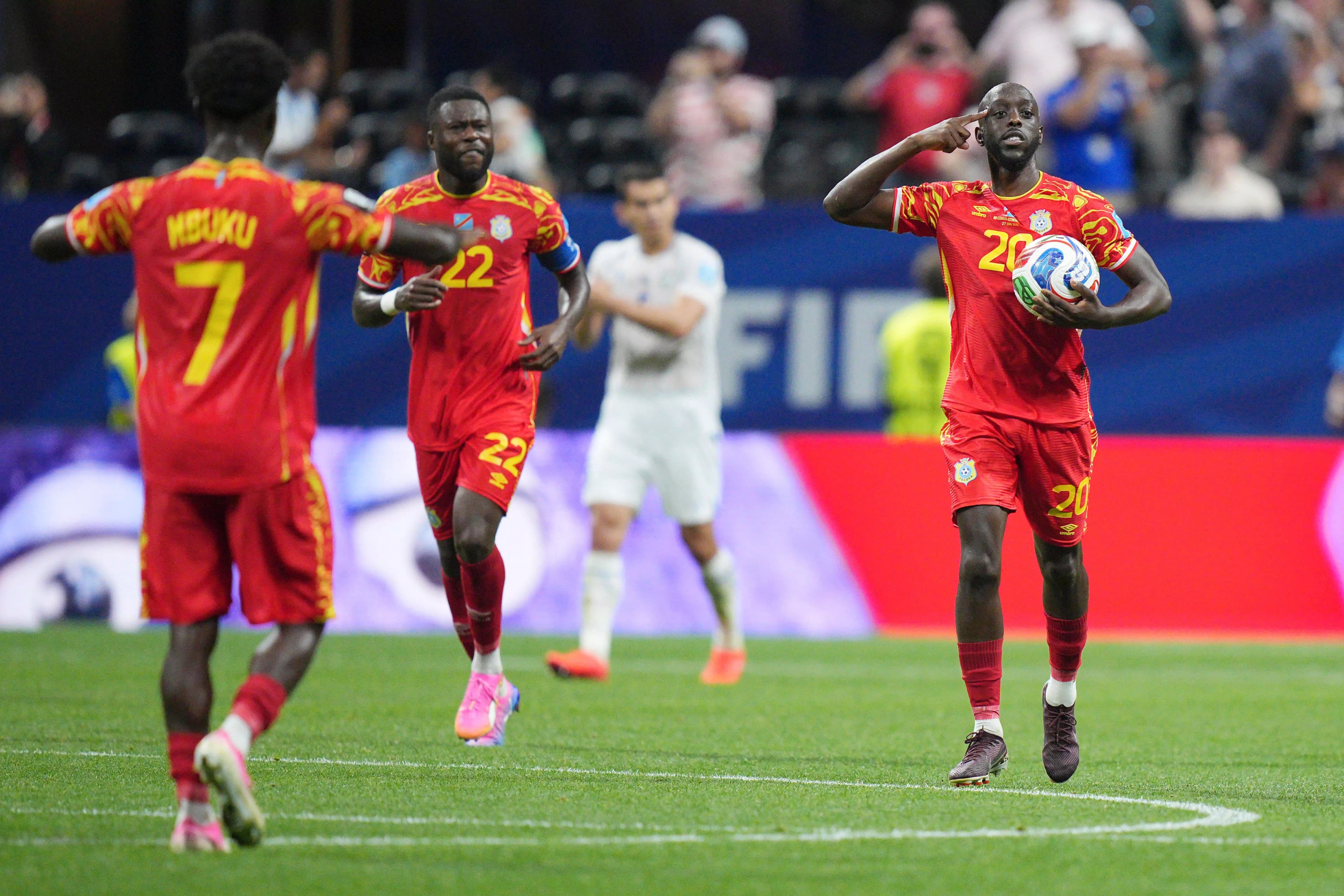
Coaches and analysts are increasingly optimistic about the future of African teams in the competition. DR Congo coach Sebastien Desabre noted that the continuous improvement in federations, coaching standards, and player development suggests that an African title win is becoming a near inevitability. This sentiment is shared by Morocco, who previously made history as the continent’s first semi-finalists. Led by coach Mohamed Ouahbi, the Atlas Lions remain confident as they prepare for a challenging knockout match against the Netherlands.
While Africa celebrates, other regions have experienced varied fortunes in the expanded format. The CONCACAF region faced difficulties, with Curacao, Haiti, and Panama all exiting early, while Asian representatives struggled to justify their increased allocation, with only Japan and Australia advancing. As the tournament progresses toward the final rounds, the effectiveness of the 48-team expansion continues to be a subject of debate among football fans and experts globally.