Rugby's Moment: The Growing Popularity of the Sport in Hyderabad
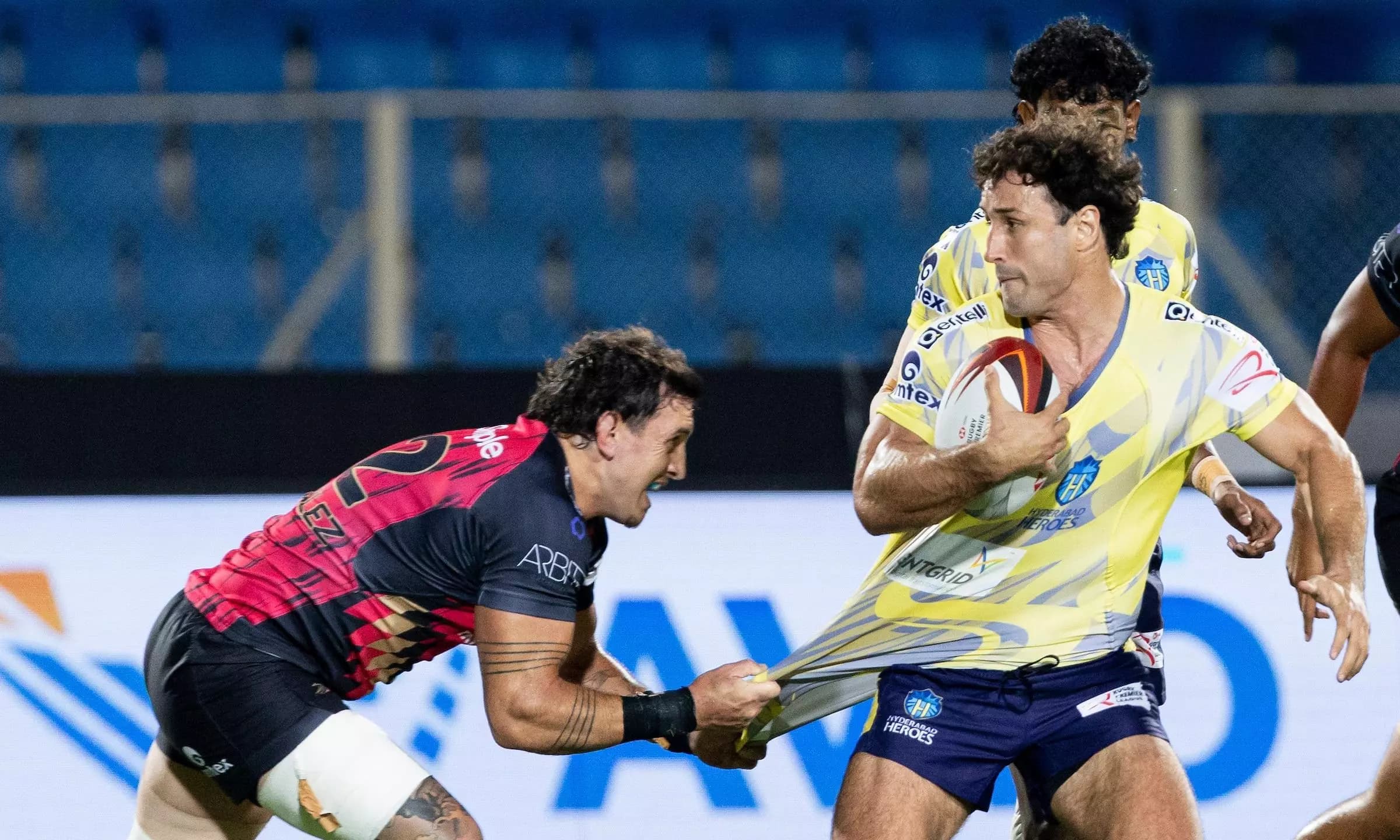
Rugby is experiencing a surge in popularity in Hyderabad, evolving from a niche sport into a community-supported event. Increased fan attendance and a focus on grassroots development in schools are being hailed as the keys to building a sustainable future for the game.
Highlights
- •Rugby is gaining significant popularity in Hyderabad, moving beyond its niche status.
- •The HSBC Rugby Premier League played a crucial role in boosting local fan interest.
- •Players and experts emphasize the need for grassroots programs in schools and colleges.
- •The spectator demographic is diversifying, with more young people and girls attending games.
For many years, the sporting landscape of Hyderabad has been dominated by cricket. While the city has successfully established itself as a hub for badminton and world-class shooting talent, a new contender is quietly gaining traction. Rugby is rapidly emerging as a popular sport in the city, capturing the attention of a diverse audience that extends far beyond the traditional fan base.
This rising interest in rugby is increasingly visible, not just in participation rates, but in the vibrant atmosphere at local stadiums. Families, students, and new enthusiasts are attending matches in larger numbers. The recent conclusion of the HSBC Rugby Premier League (RPL), which was powered by AVID, has served as a catalyst, providing the local community with a clear view of the potential future of the sport in the region.
The Growth of Rugby in Hyderabad
International athletes and domestic stars alike are optimistic about the city’s capacity to become a major stronghold for the game. Manuel Moreno, the captain of the Hyderabad Heroes, notes that the potential for expansion is significant. He highlighted the impressive fan engagement, specifically pointing out that the audience is not only growing but also becoming more diverse, with a notable increase in the number of young girls attending the matches.
Hyderabad has historically proven its ability to nurture athletic excellence when provided with a supportive ecosystem. By combining infrastructure, quality coaching, and effective governance, the city has produced numerous national and international sporting icons. Moreno believes that with the correct resources and leadership, the sport could follow a similar path to success. The foundation of infrastructure and public interest already exists; the focus now shifts to connecting that talent with the right developmental framework.
Diego Ardao, a Uruguayan international, emphasizes that the key to long-term success lies in grassroots engagement. With a population exceeding six million, he sees massive opportunity for building a sustainable culture around the game. He suggests that integrating the sport into schools and colleges is essential to ensure that children have the opportunity to experience the game from a young age.
The changing demographic in the stadiums is another positive indicator. Rajan Rawat, an Indian player, remarked on the special nature of seeing crowds fill the stands for matches, a scenario that was rarely associated with the sport in the country previously. As alternative sports like pickleball, padel, and various endurance activities gain popularity, rugby appears well-positioned to cement its status in Hyderabad, creating a sporting culture that thrives alongside, rather than merely competing with, the enduring popularity of cricket.