7-Eleven Files Trademark Lawsuit Against Nike Over Sneaker Design Controversy

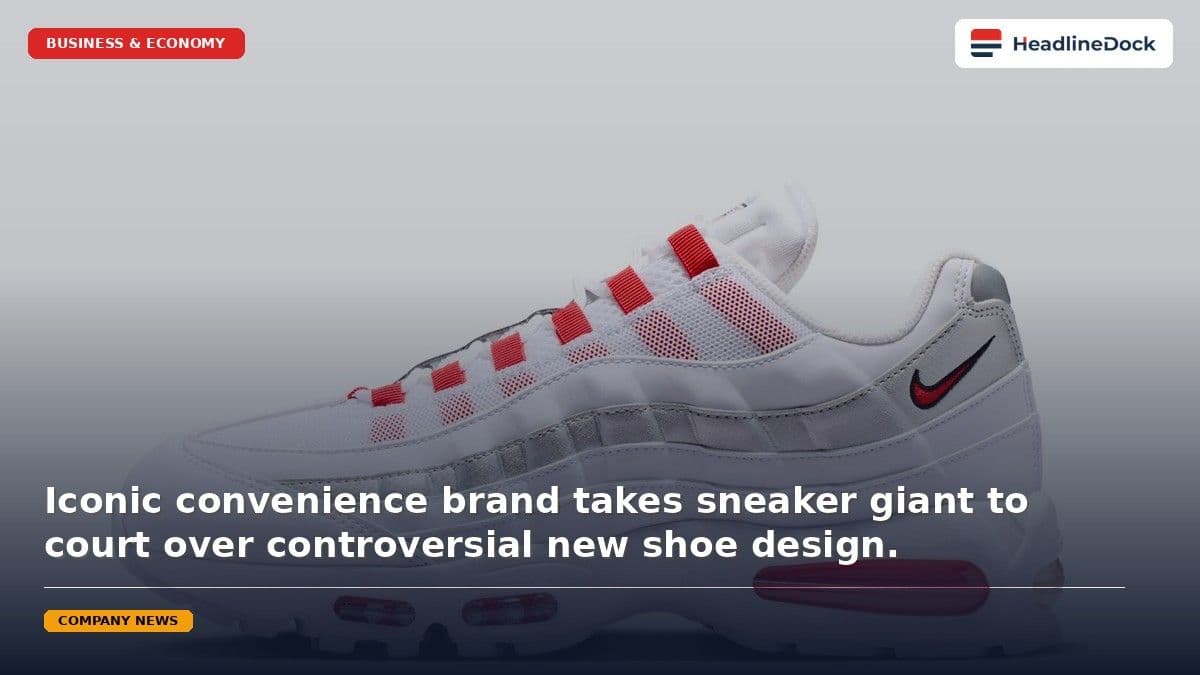
7-Eleven has launched a trademark infringement lawsuit against Nike, alleging that the Air Max 95 Big Bubble Sport Green and Safety Orange sneakers unauthorizedly mimic the chain's iconic branding and colors, leading to consumer confusion and potential damage to its brand identity.
KEY TAKEAWAYS
1 MIN READ- 7-Eleven has sued Nike over the design of the Air Max 95 Big Bubble Sport Green and Safety Orange sneakers.
- The lawsuit alleges trademark infringement, citing the unauthorized use of 7-Eleven's iconic red, green, and orange stripe pattern.
- The convenience chain claims that consumer confusion is already occurring, with some listings mislabeling the shoes as official collaborations.
- 7-Eleven is seeking the destruction of the stock, recovery of profits, and legal fees from the footwear manufacturer.
The global retail landscape has become the stage for a heated legal conflict as 7-Eleven officially filed a lawsuit against Nike. At the center of the dispute is the footwear giant's release of the Nike Air Max 95 Big Bubble Sport Green and Safety Orange sneaker. According to the convenience store chain, the design of this specific shoe draws unauthorized inspiration from their signature brand identity.
The lawsuit claims that the sneaker manufacturer is improperly utilizing a distinct stripe pattern featuring orange, green, and red hues—a visual signature famously associated with 7-Eleven storefronts and staff apparel. The legal documents suggest that this move is creating significant confusion among consumers, with some product listings even referring to the model as a "7-Eleven shoe," implying an official corporate partnership that does not exist.
Legal Battle Over Branding and Trademark Infringement
7-Eleven alleges that the footwear company’s decision to move forward with the product launch was made knowingly and intentionally, despite multiple attempts by the convenience chain to resolve the issue out of court. The complaint highlights that 7-Eleven has established legitimate collaborative ventures with other athletic and lifestyle brands, such as Crocs and DGK, making the alleged unauthorized use by Nike particularly contentious.
The timing of the intended release also serves as a point of contention. The product was reportedly slated for launch on July 11, a date widely recognized as "Free Slurpee Day" by the convenience chain. While the footwear model has been removed from official corporate product listings, it continues to appear on various secondary resale platforms.
Currently, the legal remedy sought by 7-Eleven includes the total destruction of the remaining inventory of the sneakers in question. Additionally, the chain is pursuing compensation for any profits generated from the sales of the shoes, as well as the recovery of all related legal expenses.
This development comes during a challenging fiscal period for both organizations. Earlier this year, Nike initiated a significant workforce reduction affecting approximately 1,400 employees. Meanwhile, the retail convenience sector has seen 7-Eleven move forward with a substantial strategy to close more than 600 stores. As this litigation unfolds, industry observers are closely monitoring how the courts will rule on the intersection of iconic retail branding and high-profile sneaker design.