2026 World Cup Recap: Spain’s Win, Trump, and Fan Backlash

The 2026 FIFA World Cup concluded with Spain defeating Argentina. The tournament, hosted by the USA, Canada, and Mexico, featured 48 teams but was marred by criticism over a new dynamic ticket pricing model, technical glitches, and significant logistical delays linked to high-profile political security presence at venues.
Read it in Short
QUICK OVERVIEW
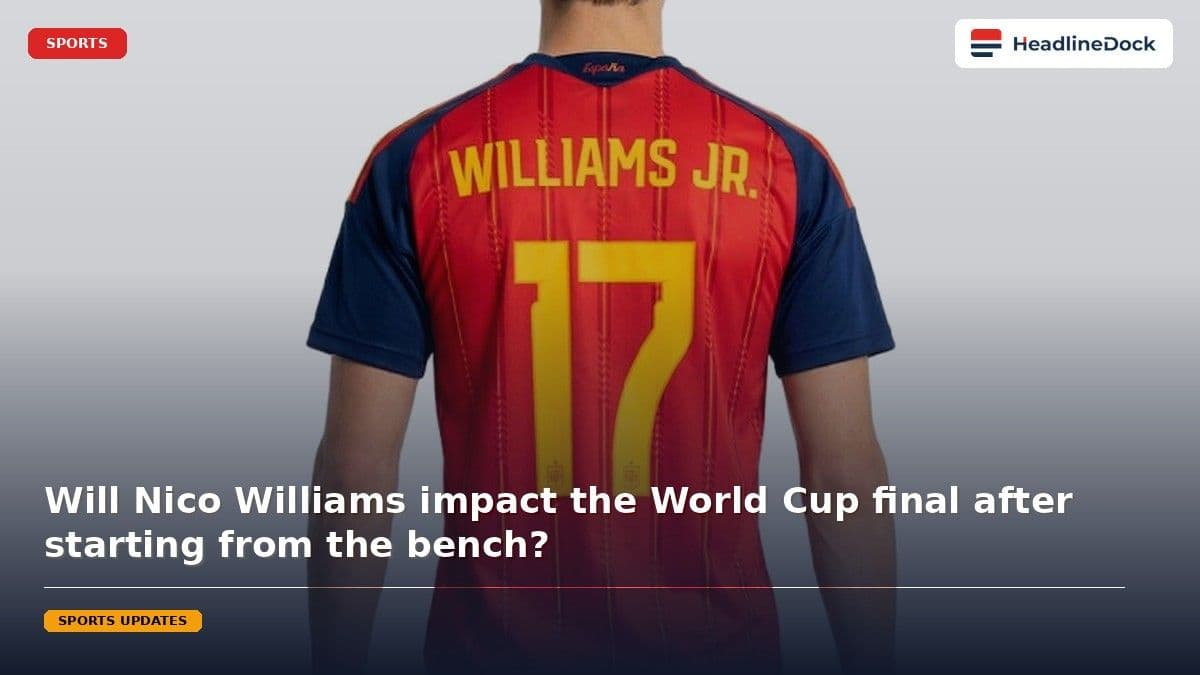
Spain won the 2026 FIFA World Cup, defeating Argentina 1-0 in extra-time.

FIFA implemented a controversial dynamic ticket pricing model for the first time.

Heightened security for President Donald Trump’s attendance caused significant logistical delays.

Fans faced repeated entry issues due to security perimeters and ticket-scanning glitches.
2026 World Cup Recap: Spain’s Win, Trump, and Fan Backlash

As the confetti settled in New York, the 2026 FIFA World Cup concluded with Spain cementing its place in history, defeating Argentina 1-0 in a tense, extra-time finale. While the tournament was a landmark achievement in scale—featuring an expanded 48-team format and 80 total matches across the USA, Canada, and Mexico—the euphoria of Spain’s victory was tempered by significant logistical friction. For the millions watching globally, this tournament will be remembered as much for its operational challenges as its footballing highlights.
A Tournament of Unprecedented Scale
The 2026 edition marked a departure from the traditional World Cup structure. By expanding the field to 48 teams, FIFA aimed to broaden the tournament's global footprint. However, this growth strained the infrastructure of host cities, which struggled to manage the volume of supporters moving between venues.
Comparison: Tournament Operations
| Feature | Traditional (e.g., 2022) | 2026 World Cup |
|---|---|---|
| Teams | 32 | 48 |
| Pricing Model | Fixed Tiered | Dynamic/Fluctuating |
| Hosts | Single Country | Tri-Nation Host |
The Price of Admission: A Fan Betrayal?
The most significant point of contention was FIFA’s move to an algorithm-based dynamic pricing model. Historically, tickets were sold in fixed tiers, allowing for better budgeting. In 2026, the adoption of real-time pricing—coupled with opaque release schedules—left many fans feeling alienated.
Journalists and fan organizations labeled the strategy a "betrayal" of accessibility. When ticket costs fluctuate based on demand, the "average" supporter is often priced out, transforming the World Cup into an exclusive luxury experience rather than a populist festival.
Political Presence and Logistical Failures
The intersection of high-stakes sports and politics was unavoidable. The attendance of US President Donald Trump, particularly at the final in New York, brought security scrutiny that hampered the fan experience. The "Trump Effect" on logistics was palpable: hardened security perimeters created severe, unexpected "choke points" at stadium entrances.
These delays were compounded by recurring ticket-scanning glitches. While FIFA President Gianni Infantino urged fans to "chill and relax" amid initial complaints, the reality for those on the ground was a lack of preparedness for the high-level security protocols required by such political involvement.
Looking Toward the Future
The legacy of the 2026 World Cup remains complex. President Trump’s rhetoric regarding the tournament's success and his suggestion that the US could host future events independently has sparked debate about the efficacy of multi-nation bids versus single-host efficiency. Spain may have secured the trophy, but the operational realities of this summer—the pricing controversies, security bottlenecks, and technical failures—serve as a definitive case study on the risks of prioritizing scale over the fan experience.
Frequently Asked Questions
Who won the 2026 World Cup?
Spain defeated Argentina 1-0 in extra-time to win the tournament.
Why was there so much controversy over ticket prices?
FIFA adopted a dynamic pricing model, causing fluctuating costs and a lack of transparency that frustrated many fans.
Did President Trump attend the matches?
Yes, President Trump attended the final in New York, which required heightened security that created entry delays for fans.
Were there technical issues during the tournament?
Yes, fans reported recurring ticket-scanning glitches and significant delays at stadium entry points.