Why You Cannot Actually Perform a Dopamine Detox for Your Brain
The viral concept of a dopamine detox is scientifically inaccurate. Research shows dopamine acts as a signal for learning and motivation rather than pleasure, and digital habits do not exhaust the brain's reward receptors like chemical stimulants do. Focus on holistic lifestyle health instead.
Highlights
- •Dopamine is a signal for learning and motivation, not a direct chemical for feeling pleasure.
- •The brain uses dopamine to measure the difference between expected and actual outcomes.
- •Digital notifications do not cause the same physical receptor loss associated with substance addiction.
- •Lifestyle improvements like better sleep and exercise are more effective than restrictive detox protocols.
The modern digital era has popularized the concept of a dopamine detox, with many influencers recommending periods of abstinence from pleasurable activities to reset the brain's reward system. However, current neuroscience research indicates that these practices are based on significant misconceptions regarding how the brain actually functions.
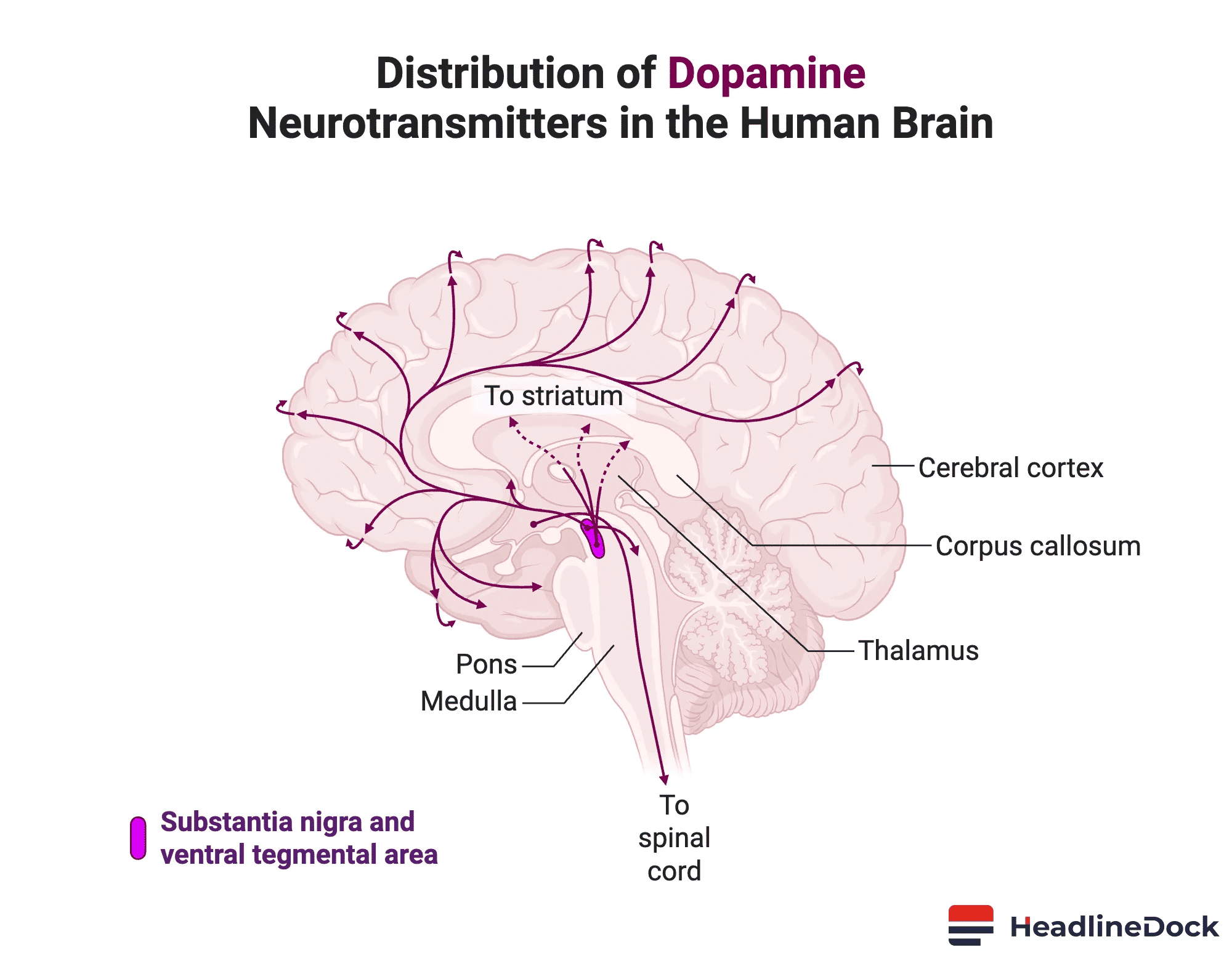
Contrary to popular belief, dopamine is not a molecule that directly encodes pleasure. Instead, it functions primarily as a signal of motivation and a tool for learning from prediction errors. When individuals attempt to reset their system through cold showers or avoiding specific interests, they are operating under a misunderstanding of how neurotransmitters respond to external stimuli.
The True Role of Dopamine in Learning
During the 1990s, neurophysiologist Wolfram Schultz conducted foundational experiments on primates that changed our understanding of the brain. He observed that dopaminergic neurons did not fire when a reward was received, but rather when the subject received a signal predicting that a reward was coming. If the expected reward failed to appear, neuron activity dropped below baseline levels.
This demonstrates that dopamine acts as a measure of the gap between an anticipated outcome and reality, rather than the feeling of pleasure itself. It serves as an error-prediction signal, helping organisms learn to adjust their behaviors based on the success or failure of their expectations. Once an action or outcome becomes predictable and fully learned, the dopamine signal associated with that specific trigger naturally diminishes.
Debunking the Detox and Addiction Myth
Proponents of a dopamine detox often argue that modern applications like social media platforms exploit the reward system in a way that necessitates a reset. They draw parallels between scrolling through apps and the consumption of potent substances like cocaine. However, this comparison is scientifically flawed.
Addictive drugs provide a massive, forced surge of neurotransmitters that leads to a reduction in receptors, creating a measurable physical tolerance. In contrast, even when digital platforms offer unpredictable rewards—such as notifications—the resulting dopamine spike is minute and lasts only a fraction of a second. This natural variation in stimulation does not cause the same type of long-term physiological exhaustion or receptor loss seen in chronic substance addiction.
Furthermore, trying to manage brain chemistry as if it were a simple balancing act of fluids is considered a modern iteration of historical humoral theories. Neurotransmitters like dopamine, serotonin, and cortisol are deeply interconnected and function based on the specific environmental context and the organism's immediate goals. Because these systems are dynamic and interdependent, individual attempts to "optimize" one substance in isolation are often ineffective. Rather than focusing on restrictive detox protocols, research suggests that improving general lifestyle factors—such as sleep, physical activity, and environmental stress management—is far more effective for maintaining long-term mental health and well-being.