Why the Declaration of Independence Grievances Still Resonate Today After 250 Years
250 years after the Declaration of Independence, the grievances of 1776 offer striking insights into contemporary issues. By examining the roles of ordinary people and the specific political challenges faced by colonists, we gain a deeper understanding of today's democratic struggles.
Highlights
- •The Declaration of Independence's grievances highlight enduring concerns like judicial independence and arbitrary state power.
- •Historical evidence shows that marginalized groups, including Indigenous and enslaved populations, significantly shaped the revolutionary era.
- •The revolution relied heavily on the grassroots participation and sustained political outrage of ordinary colonial citizens.
- •Many of the 18th-century challenges regarding the limits of government force remain relevant in 21st-century discourse.
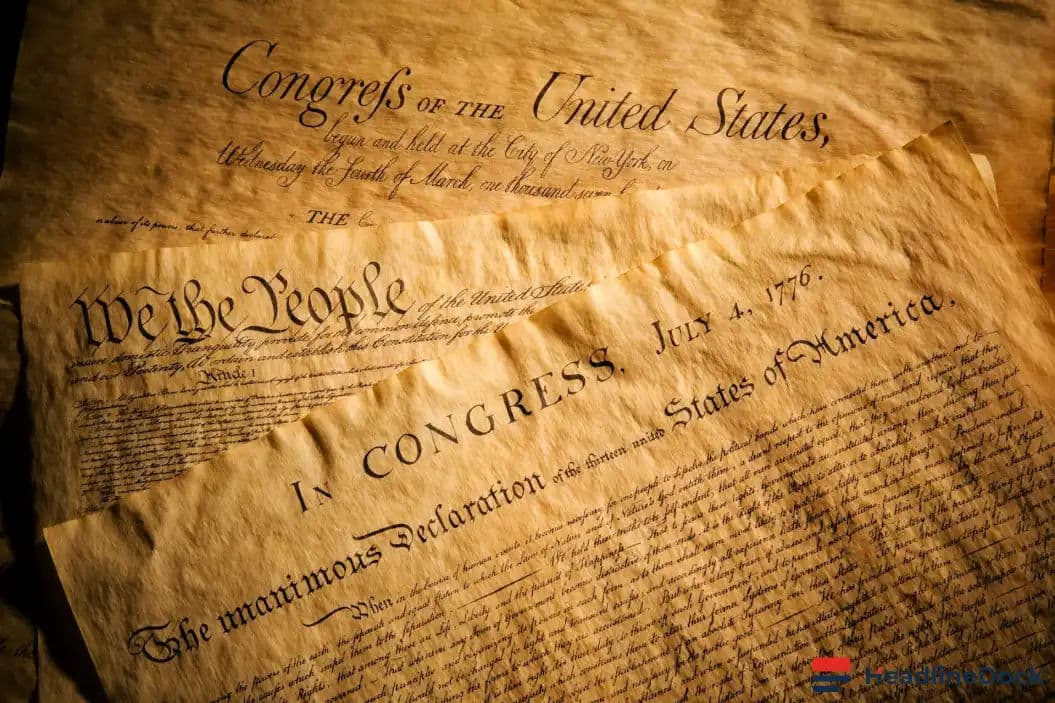
The Declaration of Independence remains one of the most significant documents in history, yet its 27 specific grievances against King George III often feel distant to modern observers. While the preamble’s focus on equality and natural rights is frequently highlighted, historians argue that the practical complaints listed within the document offer a surprising mirror to contemporary societal challenges. Studying the Declaration of Independence in 2026 reveals that the anxieties of the 18th century—ranging from judicial partisanship to the arbitrary use of government power—persist as critical concerns in the modern era.
Historical Grievances and Modern Parallels
The grievances articulated in 1776 were not merely abstract complaints; they represented fundamental disagreements regarding the limits of coercion, the role of representative government, and the authority of the law. For instance, the colonists expressed deep frustration over the military being placed above civil power and the manipulation of the judiciary to serve the interests of the British Crown. Specifically, they criticized attempts to make judges entirely dependent on the monarch’s will, a point of contention that highlights the long-standing importance of an impartial legal system.
Furthermore, the Declaration of Independence was deeply shaped by the actions of everyday individuals. The revolutionary movement relied heavily on the political outrage and active participation of common people. By analyzing these charges, it becomes clear that minority voices, including African Americans and Indigenous peoples, were active participants in the events leading up to the war. Policies such as the Proclamation Line of 1763 were directly influenced by Indigenous resistance, illustrating that the path to independence was influenced by a diverse array of perspectives beyond just the 56 men who signed the final document.
The Human Element Behind the Charges
While the focus of the declaration was the King, the colonists held various government officials, cabinet members, and military leaders personally accountable for the implementation of unpopular policies. Figures such as Lord North, General Thomas Gage, and William Tryon were well-known entities in 1776, even if their names have faded from common memory today. These officials were responsible for actions that many colonists viewed as direct infringements on their rights, including tax disputes and the restriction of colonial charters.
The transition from colonial rule to independence was fueled by widespread, sustained public fury. Whether it was the dumping of tea into the harbor or the burning of ships, ordinary citizens played a vital role in resisting policies they deemed tyrannical. Understanding this context provides a more nuanced view of the United States at its birth. It demonstrates that the survival of the democratic experiment depended not only on elite leadership but on the collective will of ordinary citizens demanding justice and representation.