Why Scratching a Bug Bite is a Bad Idea: Science Explains the Risks
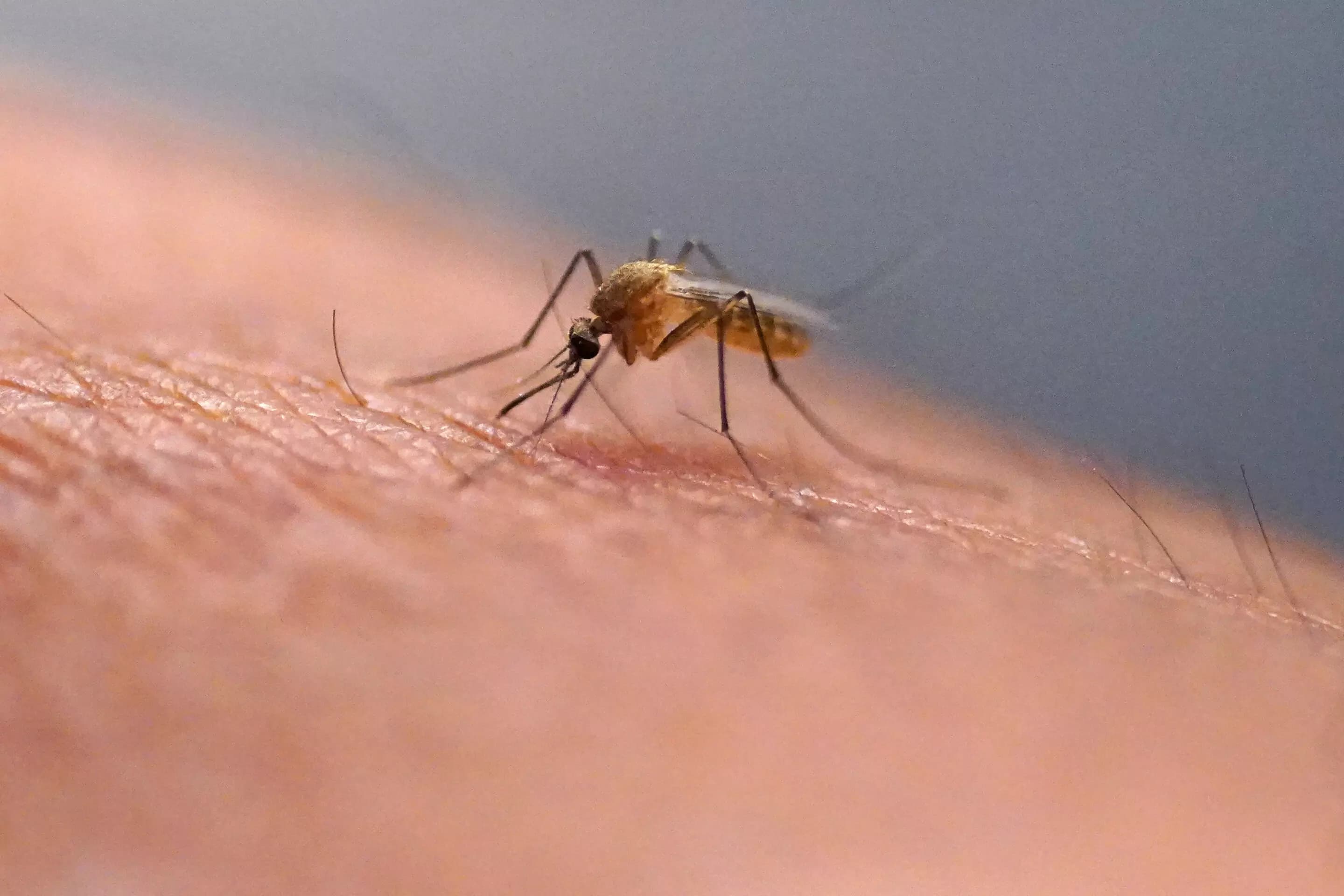
Scientific research explains why scratching a bug bite is counterproductive, as it triggers an inflammatory response that prolongs healing. Experts suggest using cooling creams and antihistamines to break the itch-scratch cycle and effectively manage skin irritation without causing further damage.
Highlights
- •Scratching a bug bite triggers an inflammatory cycle that increases swelling and discomfort.
- •Research shows that scratching releases substance P, which activates mast cells and exacerbates the itch.
- •Preventing the itch-scratch cycle allows bug bites to heal much faster.
- •Menthol-containing creams and hydrocortisone are recommended alternatives to help manage skin irritation.
From early childhood, most of us have received the advice to avoid scratching a bug bite or any skin irritation. While the immediate sensation of scratching can feel relieving, scientific evidence confirms that it is generally a poor decision. Understanding the biology behind why scratching a bug bite can exacerbate the situation is crucial for effective skin care.
When you encounter an itch, the body initiates a complex response. Whether the irritation stems from allergic contact dermatitis—often triggered by substances like poison ivy or specific metals—or insect bites, the urge to scratch is powerful. However, experts, including Dr. Daniel Kaplan, a dermatologist at the University of Pittsburgh, emphasize that repetitive scratching leads to skin damage and sustains an inflammatory cycle.
The Science of the Itch-Scratch Cycle
Researchers investigating this phenomenon have utilized controlled experiments on mice to monitor cellular activity. Findings suggest that when normal mice are permitted to scratch, immune cells rush to the affected area, resulting in increased inflammation and swelling. Conversely, when mice were prevented from scratching, the rash remained significantly milder. This provides a clear correlation: scratching a bug bite effectively prolongs and intensifies the inflammation.
The immune system relies on mast cells, which are essentially first responders. These cells release compounds like histamine, which trigger itchy allergic reactions. Furthermore, scratching often induces a mild pain sensation, which causes nerve cells to release substance P. This chemical messenger activates mast cells through a unique molecular pathway, different from that of allergens. This interaction acts as a biological double whammy, further inflaming the site and ensuring the itch persists for a longer duration.
While some evolutionary theories suggest that scratching might help remove surface parasites, this minor potential benefit is heavily outweighed by the negative health consequences. Dermatologists maintain that scratching is fundamentally harmful to the skin barrier.
Managing Itchiness Without Scratching
The key to resolving an itch is to break the cycle. Instead of scratching, medical professionals suggest utilizing proven alternatives. Over-the-counter remedies such as hydrocortisone cream, calamine lotion, or soothing oatmeal baths are highly recommended for contact dermatitis and insect bites.
Another effective strategy involves the use of creams containing menthol. These products create a cooling sensation on the skin, which can act as a distraction, effectively tricking the nervous system into sensing cold rather than the itch. By avoiding the initial scratch, individuals can successfully disrupt the cycle, allowing the skin to heal more rapidly without the added irritation that comes from manual disruption.