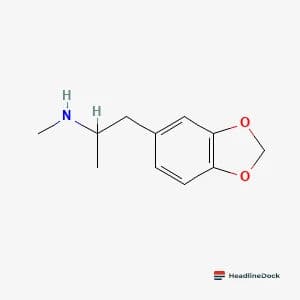
Why Creatine Supplement Use Does Not Necessarily Signal Kidney Health Concerns
Creatine supplements often cause transient rises in blood creatinine levels, which can lead to misleading kidney function reports. Experts clarify that this is typically harmless in healthy individuals and advise establishing baseline readings and maintaining proper hydration to avoid unnecessary health concerns.
Highlights
- •Elevated creatinine levels in supplement users often do not indicate kidney pathology.
- •Standard blood tests can misinterpret creatine breakdown products as reduced kidney filtration.
- •Establishing a baseline creatinine level before supplementation is recommended by medical experts.
- •Proper hydration and controlled dosages are essential for safe creatine use in athletes.
Fitness enthusiasts and gym-goers who supplement with creatine often encounter a common point of confusion when reading their blood test reports. It is not unusual for these reports to indicate elevated creatinine levels and a potentially lower estimated glomerular filtration rate (eGFR). While such results can initially cause panic, health experts clarify that this does not necessarily signal kidney damage or impaired organ function.
According to medical professionals in Hyderabad, including nephrologist Dr. G. Murali Mohan Reddy, a small rise in creatinine levels in supplement users is often a transient, harmless side effect. The body naturally converts creatine supplements into creatinine, a waste product that is subsequently measured by laboratories. This process can cause the serum creatinine level to appear higher in standard tests, which in turn leads the eGFR calculation to suggest lower filtration rates, even when the kidneys are functioning perfectly.
Understanding Creatine Supplements and Kidney Health
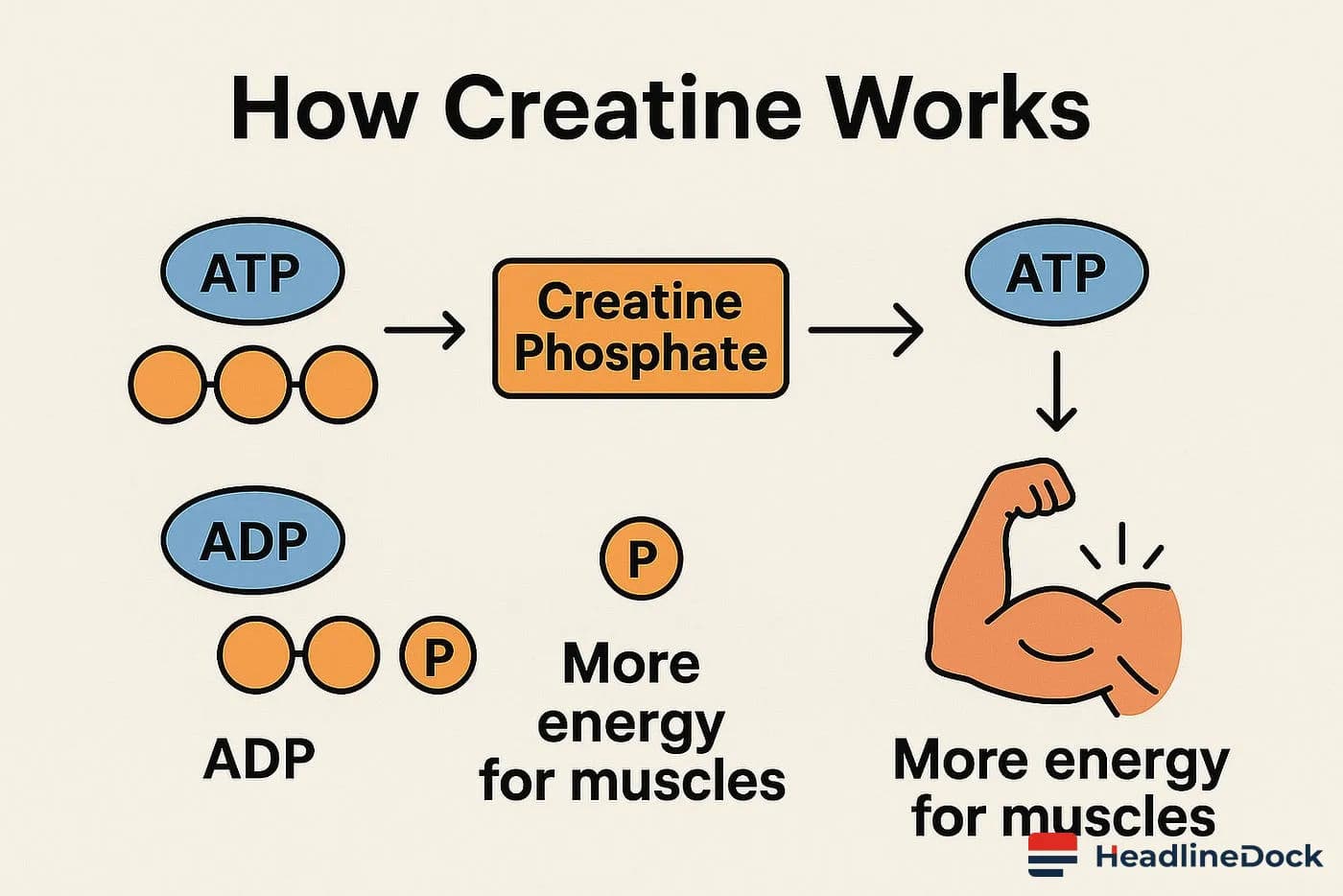
Creatine is a substance naturally produced by the body from amino acids and found in foods like meat and fish. Roughly 95 percent of the body's store is held in skeletal muscles as phosphocreatine, which supports the regeneration of ATP for intense physical exertion. Supplementation increases these muscle stores by 20 to 35 percent, and the subsequent conversion of this larger pool into a waste product can skew standard blood tests.
Experts emphasize that while a high result deserves professional evaluation, it does not automatically diagnose kidney failure. Patients are advised to establish a baseline creatinine reading before beginning any supplementation regimen. If a test shows an abnormality, doctors may suggest stopping the intake for one week before repeating the test. If levels normalize, it confirms that the previous elevation was simply a result of the supplement usage rather than pathology.
Furthermore, proper hydration is critical for anyone using creatine supplements. Because the substance draws water into the muscle cells, users should increase their daily water intake by approximately one to 1.5 liters. Dehydration can exacerbate the rise in measured creatinine levels, making adequate fluid consumption essential. Instructors like Arpan Kushwaha note that a dosage of 3 to 5 grams is generally considered safe for healthy adults when used to fill dietary gaps.
Ultimately, healthy individuals with no prior history of diabetes, hypertension, or chronic kidney disease should not fear safe supplementation. However, individuals should always disclose their supplement use, dosage, and duration to their healthcare provider. If significant concerns persist, specialized diagnostic tools like a measured GFR test or a cystatin C test can provide clarity, moving beyond the limitations of simple serum creatinine estimates.