What Andy Burnham, Tipped To Be Next UK PM, Has In Vision?
Greater Manchester mayor Andy Burnham has emerged as the leading candidate to succeed Keir Starmer. His proposed Manchesterism model focuses on devolution, business-friendly economic policies, and structural reforms to address regional inequality across the United Kingdom.
Highlights
- •Andy Burnham is the primary frontrunner to succeed Keir Starmer as UK Prime Minister.
- •His Manchesterism model emphasizes business-friendly socialism and widespread political devolution.
- •Burnham pledges to maintain strict fiscal rules while avoiding tax hikes on working people.
- •Policy priorities include social care reform, controlled immigration, and regional economic empowerment.
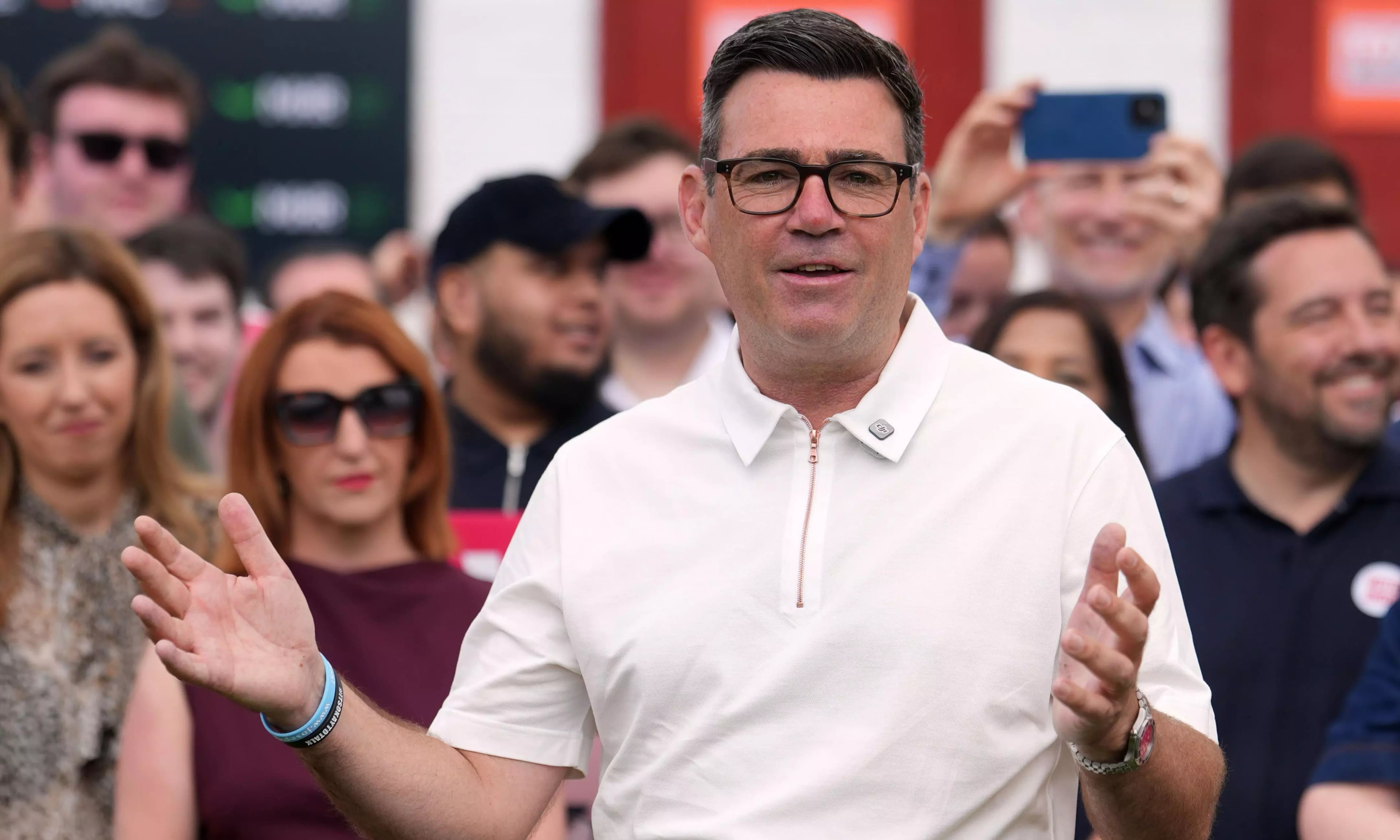
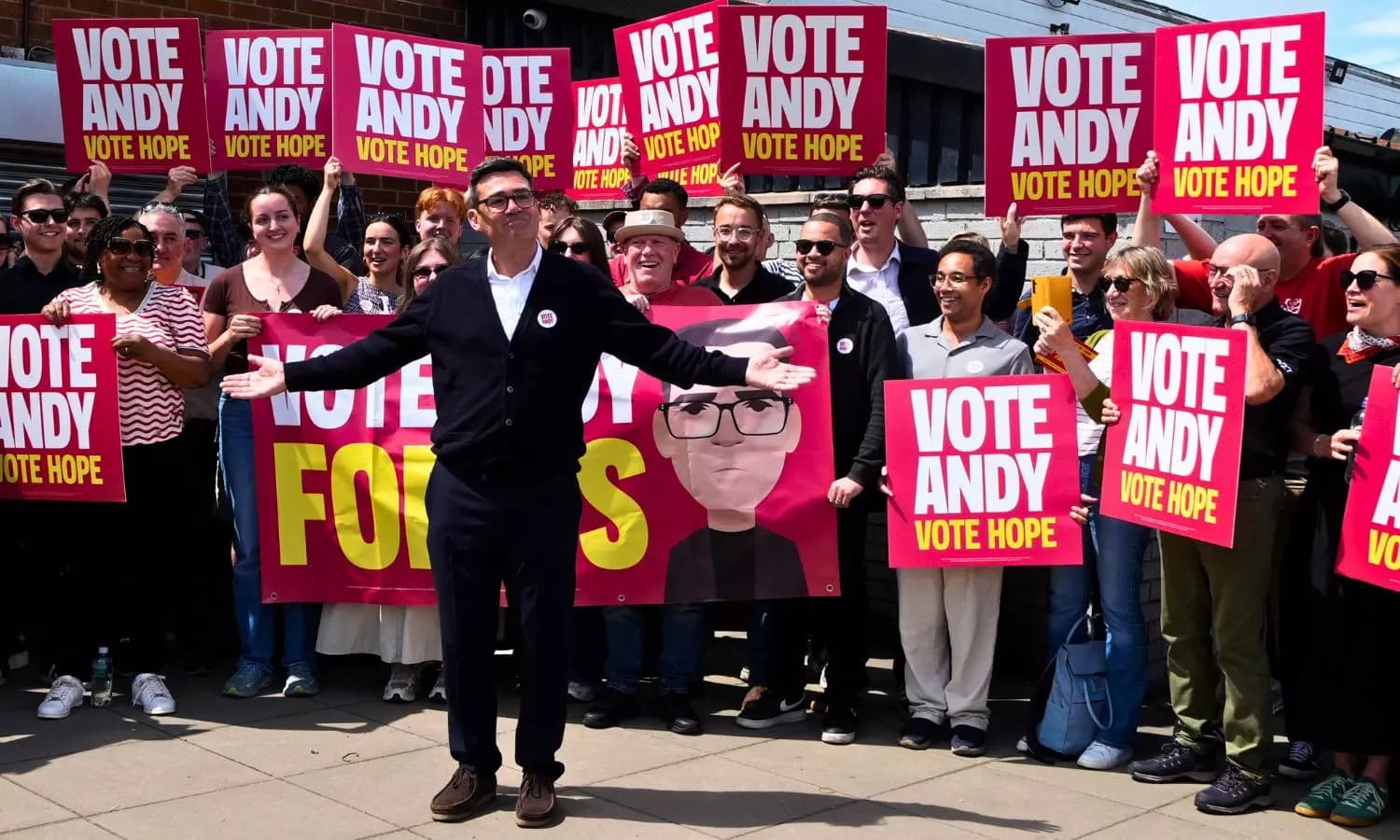
Andy Burnham, the current mayor of Greater Manchester, has emerged as the leading candidate to succeed Keir Starmer as the next prime minister of the United Kingdom. Following his successful by-election victory in the northern constituency of Makerfield, Burnham has stepped back into the parliamentary spotlight, bringing with him a distinct governance philosophy often referred to as Manchesterism.
The Vision of Manchesterism in UK Politics
At 56 years old, Burnham aims to utilize the lessons learned from the economic revitalization of Manchester to address the broader challenges facing the British economy. He characterizes his approach as business-friendly socialism, focusing on structural changes to stimulate consistent growth and improve the state of public finances. A central pillar of his vision is aggressive devolution, which involves shifting significant economic and political power away from the highly centralized government in London.
Currently, the UK remains one of the most financially centralized nations among developed economies, a factor that many economists believe has exacerbated regional inequality. Burnham proposes a comprehensive restructuring of the country's financial architecture. His plan grants local communities greater authority over critical infrastructure areas, including transport, utility management, housing, and educational resources. He points to the Bee Network in Manchester—an integrated public transport initiative—as a primary example of his model delivering tangible results.
Fiscal Credibility and Policy Priorities
While Burnham continues to refine his national economic strategy, he has faced scrutiny regarding his fiscal credibility. He has pledged to adhere to existing fiscal rules, which require the government to balance its daily spending with total revenue by the 2029/30 fiscal year. Furthermore, he intends to maintain the promise made during the 2024 general election to avoid increasing income tax, employee National Insurance, or value-added tax.
On the topic of migration, Burnham has expressed support for current efforts to manage both legal and illegal entry into the United Kingdom. He has indicated a potential willingness to implement more stringent deterrents for small boat crossings in the English Channel, while simultaneously advocating for the establishment of safe and legal pathways for those seeking asylum. Regarding the European Union, while Burnham historically supported remaining in the bloc during the 2016 referendum, he has clarified that rejoining the EU is not an immediate priority for his leadership campaign, emphasizing that he respects the result of the original vote.
In the healthcare sector, the former health minister plans to focus on reforming social care services to relieve systemic pressure on the National Health Service. By potentially adjusting inheritance tax policies, he hopes to secure sustainable funding for the sector, addressing the long-standing challenges of providing adequate care for the elderly population.