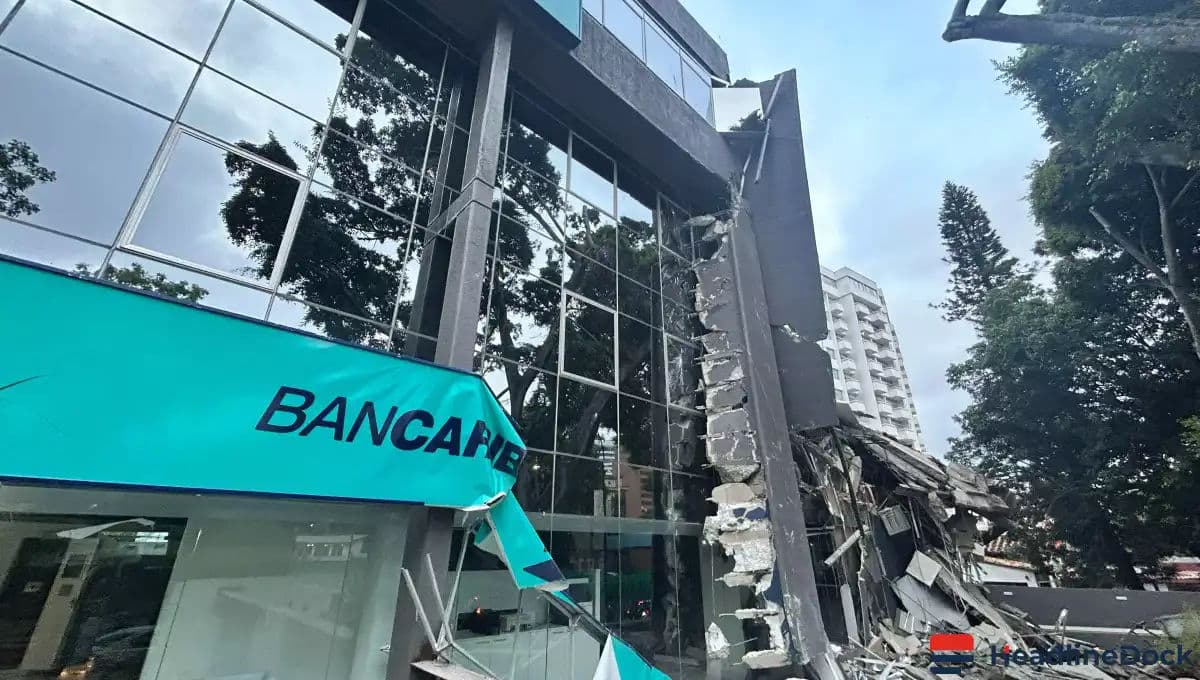
Venezuela Rocked by Historic 7.5 Mw Seismic Doublet Earthquake
A rare seismic doublet with magnitudes of 7.2 and 7.5 struck northern Venezuela on June 24, 2026. The disaster caused significant structural damage in Caracas and La Guaira, leading the government to declare a national state of emergency as recovery and safety evaluations continue.

Highlights
- •Two consecutive earthquakes of 7.2 and 7.5 Mw struck northern Venezuela.
- •Authorities declared a state of emergency with La Guaira identified as a disaster zone.
- •The event is classified as a seismic doublet, causing widespread structural damage.
- •Critical infrastructure, including schools and hospitals, is under urgent safety assessment.
The northern region of Venezuela was rocked by a devastating seismic event on the afternoon of June 24, 2026, marking the most significant earthquake activity in the country in over a century. Residents in Caracas and the surrounding coastal areas experienced an initial strong tremor, followed by a second, even more intense shock less than a minute later. These powerful movements, confirmed by the Fundación Venezolana de Investigaciones Sismológicas (Funvisis), registered magnitudes of 7.2 and 7.5 Mw, with epicenters located in Yaracuy and subsequent aftershocks near the shores of La Guaira.
Understanding the Destructive Seismic Doublet
Experts characterize the disaster as a seismic doublet, a rare occurrence involving two major earthquakes happening in close succession within the same fault system. Geologist Feliciano De Santis, who leads the Sociedad Venezolana de Geólogos, noted that the destructive reach of this event mirrors the historical 1812 earthquake. The rapid succession of these tremors—occurring only about 40 seconds apart—contributed to the widespread structural damage observed throughout the metropolitan area of Caracas and La Guaira.
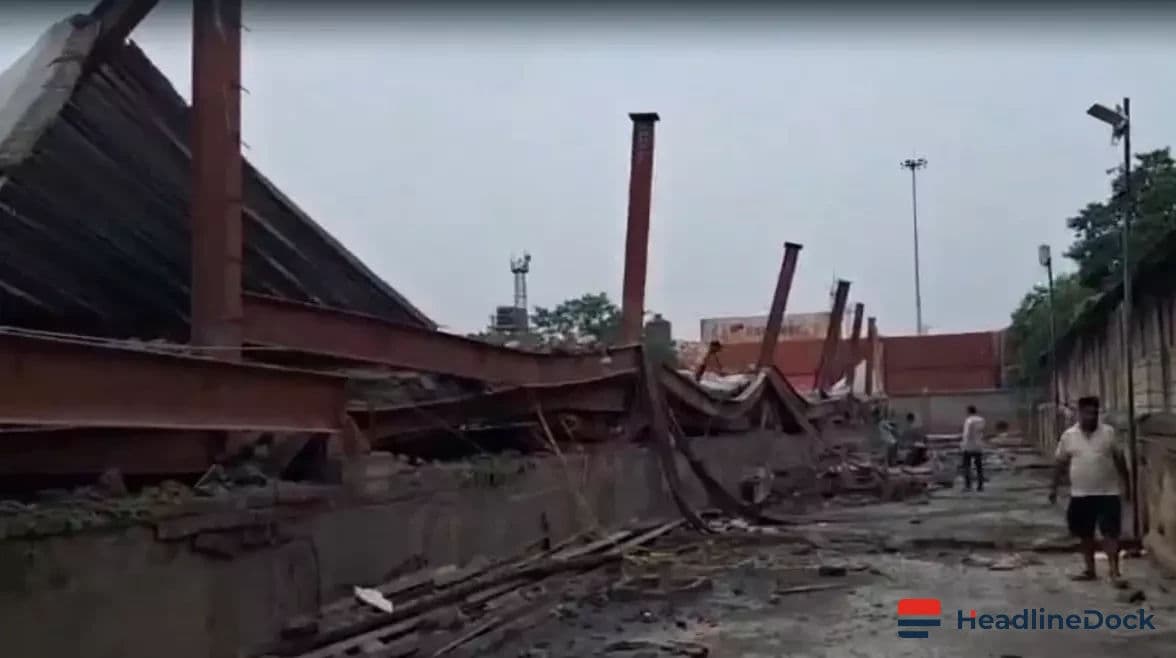
In response to the tragedy, the government declared a national state of emergency, designating La Guaira as a disaster zone. The impact includes collapsed residential and commercial structures, significant injuries, and damage to critical infrastructure, such as the Maiquetía airport. The affected coastal strip, previously scarred by the 1999 Vargas tragedy, once again faced the catastrophic consequences of natural hazards intersecting with established vulnerabilities in the built environment.
The endurance of various structures highlights the long-term impact of engineering standards established after the 1967 Caracas earthquake. While many buildings designed with modern seismic-resistant criteria remained stable, other sectors, particularly informal hillside developments and older infrastructure, suffered severely. The disaster has ignited a critical conversation regarding the necessity of rigorous construction oversight, consistent maintenance, and the application of microzonificación sísmica studies in urban planning.
As recovery efforts continue, authorities are prioritizing the evaluation of damaged infrastructure, including hospitals, schools, and bridges. Moving forward, engineers and urban planners emphasize that reconstruction must move beyond short-term fixes. Ensuring future safety requires a fundamental realignment of building practices and urban development strategies with the known seismic reality of the region to effectively reduce vulnerability to future disasters.