US Trade Representative To Visit India To Finalize Interim Trade Deal
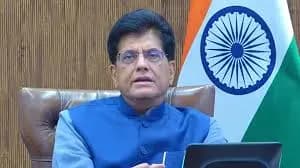
US Trade Representative Jamieson Greer is set to visit India next week to hold high-level discussions with Commerce Minister Piyush Goyal. The talks aim to finalize the first phase of a crucial interim trade deal by mid-July.

Highlights
- •US Trade Representative Jamieson Greer will visit India on June 23-24 to discuss an interim trade deal.
- •Negotiations aim to finalize the first phase of the bilateral trade agreement between India and the US.
- •The proposed framework includes significant tariff reductions on industrial goods and various agricultural products.
- •The two nations are targeting the execution of the trade pact by mid-July.
As India prepares to finalize the initial phase of a comprehensive trade agreement with the United States, a high-level diplomatic visit is set to take place. US Trade Representative Jamieson Greer is scheduled to arrive in New Delhi next week for a two-day consultation to advance the interim trade deal.
The upcoming visit, slated for June 23-24, will involve crucial discussions between Jamieson Greer and the Indian Minister of Commerce and Industry, Piyush Goyal. This engagement follows recent preliminary talks aimed at reaching a consensus on the framework for a bilateral agreement. The primary objective of these negotiations is to resolve pending issues and finalize the first phase of the trade pact, which is anticipated to be executed by the middle of next month.
Strengthening India-US Bilateral Trade Ties
Official sources indicate that the dialogue will focus on bridging the remaining gaps in the proposed framework. Earlier this month, a delegation led by chief negotiator Brendan Lynch conducted four days of constructive discussions in the capital to push the interim trade deal forward. Both nations have expressed a positive outlook on these deliberations, emphasizing that they are nearing an agreement on key sectors including industrial goods, agricultural products, and trade facilitation.
The framework, which was outlined in a joint statement issued on February 7, suggests significant tariff reductions. Under the proposed terms, the United States would lower certain tariffs on Indian goods from 50 percent to 18 percent. Additionally, the plan addresses specific concerns regarding tariffs imposed on Indian goods, including those related to the purchase of Russian oil. The scope of the agreement covers diverse categories such as tree nuts, fresh and processed fruits, soybean oil, wine, spirits, and animal feed components like dried distillers' grains.
Policy Context and Future Negotiations
The context for these trade talks has been influenced by recent developments in the United States, including legal rulings concerning executive tariff authorities. Following a US Supreme Court decision against certain broad reciprocal tariffs, the US administration has been navigating new tariff frameworks. The ongoing negotiations are viewed by many as an essential step in fostering economic security alignment and ensuring mutual interest. By finalizing the interim trade deal, both countries aim to establish a more stable foundation for long-term economic partnership before the expiration of current 150-day tariff windows on July 24. While the US retains mechanisms such as Section 301 investigations to influence trade policy, the current atmosphere remains focused on diplomatic consensus and fostering a robust bilateral trade agreement that benefits both nations' industries.