US Strikes Iran Targets Following Aggressive Actions Against Bahrain and Kuwait
The US military has launched new airstrikes against Iranian military targets after Tehran attacked Bahrain and Kuwait, further threatening a fragile ceasefire agreement. The conflict centers on control of the vital Strait of Hormuz and ongoing negotiations over Iran's nuclear program.
In a significant escalation of regional tensions, the United States military has executed a second round of airstrikes against Iran. This decisive action, ordered by President Donald Trump, comes in direct response to recent Iranian aggressive maneuvers against Bahrain and Kuwait. The current situation poses a severe risk to an existing interim agreement designed to stabilize the region and mitigate the threat of a wider conflict.
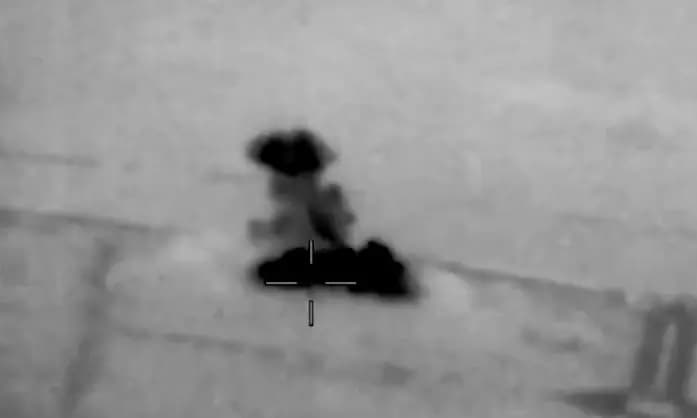
The US Central Command confirmed that the airstrikes targeted critical military infrastructure belonging to Iran. The operation successfully neutralized a variety of assets, including surveillance infrastructure, advanced communication systems, air defense installations, and vital drone storage facilities. These strikes were initiated following an early Saturday attack on the Panamanian-flagged tanker Kiku, which was transporting crude oil for Qatar, a primary mediator between Washington and Tehran.
Rising Conflict and Ceasefire Violations
President Donald Trump issued a stern warning via Truth Social, highlighting that the United States was forced to act due to repeated violations of the established Cease Fire Agreement. The President cautioned that if these hostile acts persist, the United States may be compelled to finalize the military objective completely. This latest round of violence follows a separate incident earlier in the week where an Iranian drone targeted a merchant ship near Oman, triggering an immediate retaliatory response from the US military.
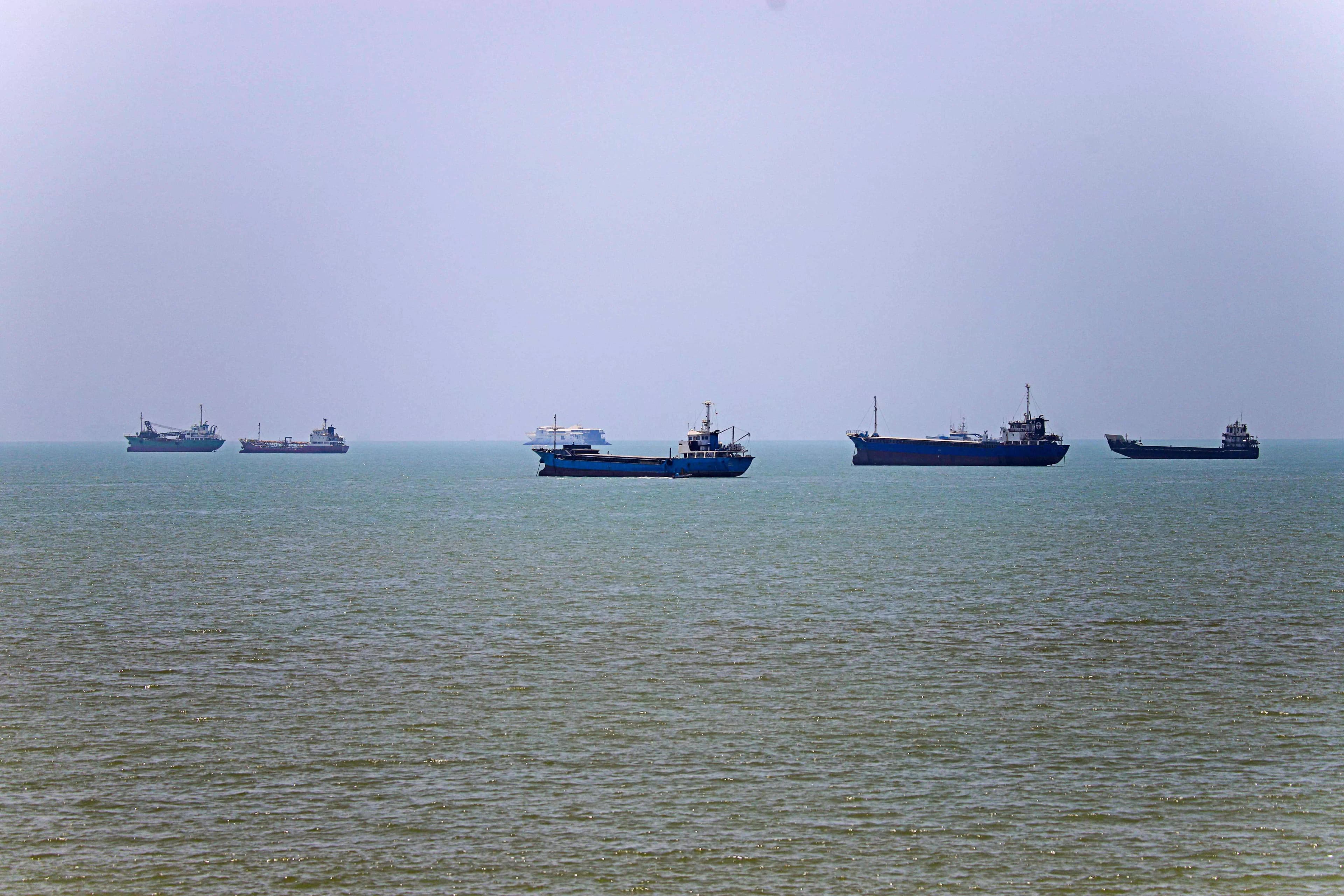
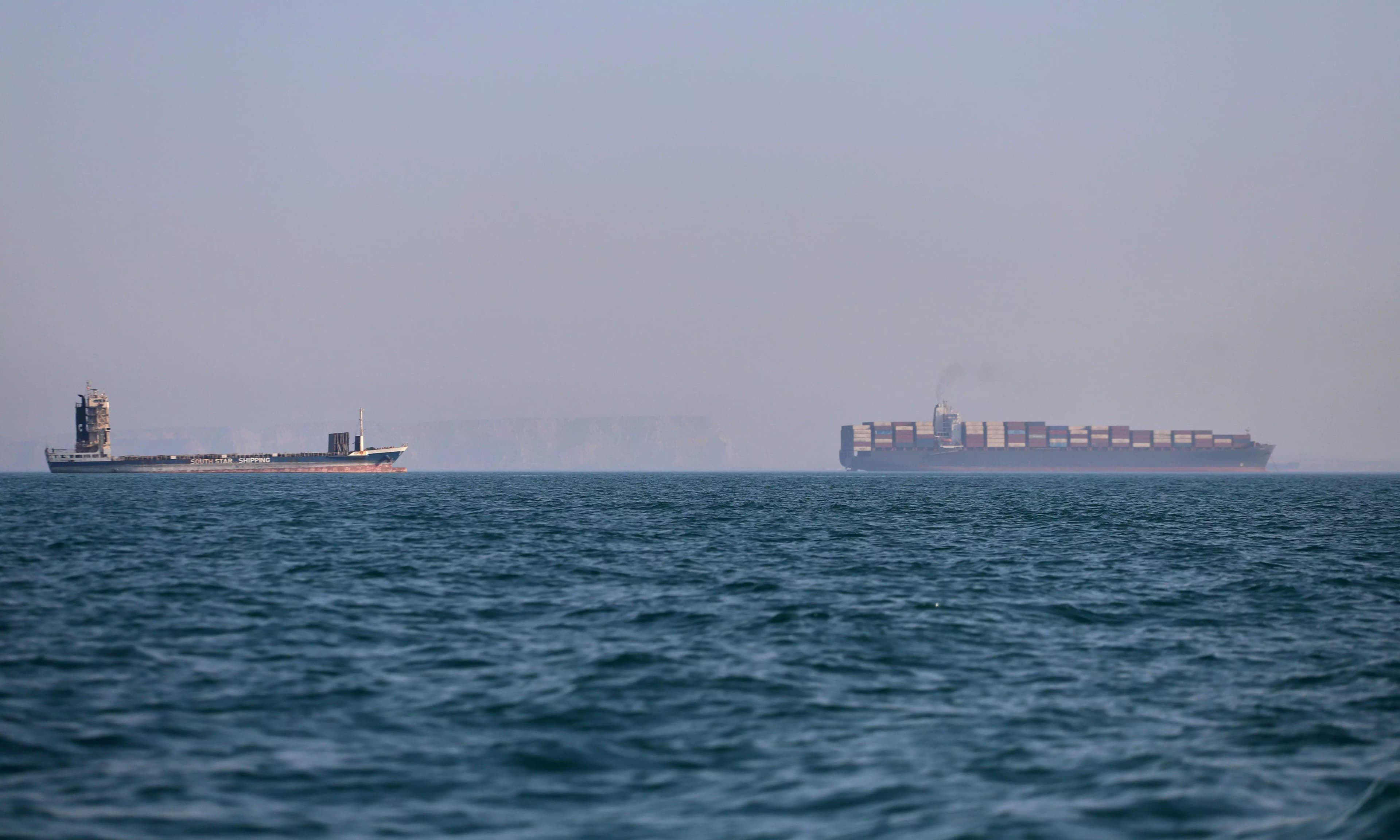
The strategic stakes remain incredibly high regarding the Strait of Hormuz, a critical waterway for global energy supplies. While the Joint Maritime Information Center, managed by the US Navy, has attempted to expand transit routes near the coast of Oman, Iran continues to assert control over the strait. Tensions have further spiked after Kuwait reported that its air defenses successfully intercepted incoming Iranian drones and missiles aimed at the nation, which hosts a major US Army base.
Diplomatic efforts remain strained as the US and Iran navigate the complexities of an interim deal, which also encompasses the future of Iran's nuclear program and its highly enriched uranium stockpile. With officials like Vice President JD Vance stressing that aggression will be met with firm measures, the international community watches closely. Meanwhile, the International Maritime Organization has paused evacuation efforts for ships until safety guarantees can be ensured, as the risk level for maritime traffic is currently categorized as substantial.
,curated_key_highlights:[