US and Iran to Hold Indirect Talks in Doha for Peace Deal
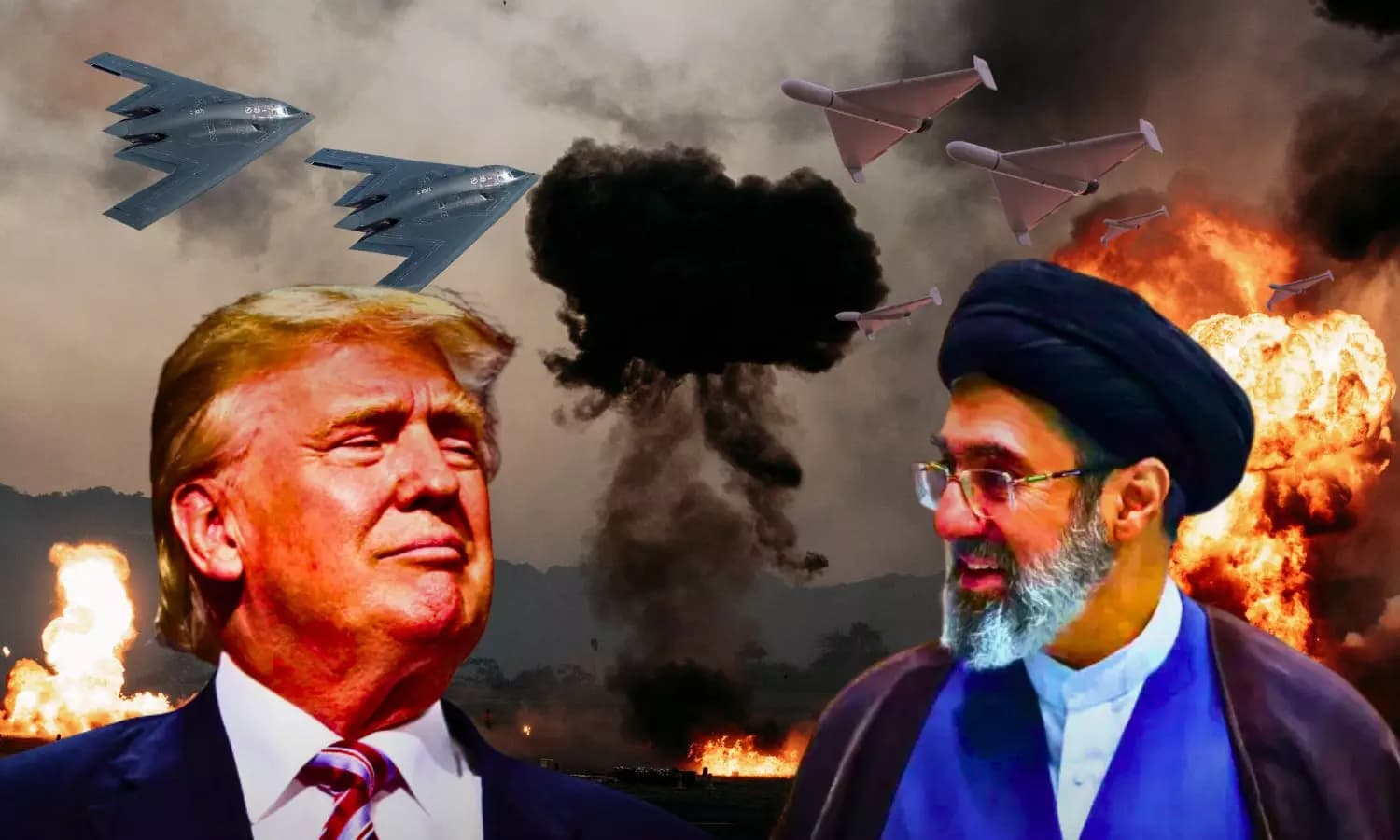
The United States and Iran are scheduled to conduct indirect talks in Doha this week. These preparatory meetings are a vital precursor to the formal signing of a Middle East peace agreement in Switzerland, following successful mediation efforts led by Qatar in Tehran.
Highlights
- •The US and Iran will hold indirect talks in Doha to prepare for a major peace deal.
- •Mediation efforts in Tehran resulted in a successful agreement after 17 hours of intensive negotiations.
- •Preliminary meetings in Doha are scheduled to precede a formal signing ceremony in Switzerland.
- •The diplomatic process aims to finalize technical details essential for Middle East regional stability.
The United States and Iran are set to engage in a series of indirect diplomatic discussions in Doha this week. These talks are a crucial step toward the formal signing of a comprehensive agreement designed to resolve the ongoing conflict in the Middle East.
As the regional landscape continues to shift, diplomatic efforts have intensified to facilitate a peaceful resolution. According to official diplomatic channels, a structured approach has been adopted to manage the dialogue effectively before the final, formal signing event takes place in Switzerland. These developments are viewed as a significant milestone in international mediation efforts, specifically aimed at addressing the complex tensions currently influencing the Middle East.
Strategic Preparatory Talks in Doha
The process of organizing these indirect talks has involved extensive coordination by mediators. Representatives from Qatar recently concluded an exhaustive period of engagement in Tehran, which reportedly spanned 17 hours of high-stakes negotiations. These efforts, which commenced on Sunday, proved pivotal in securing the consensus required to move forward with the upcoming meetings in Doha.
The upcoming sessions will focus on separate, preparatory discussions held with both parties. By conducting these preliminary meetings, mediators aim to bridge existing gaps and ensure a smoother transition to the technical talks and the subsequent signing ceremony in Switzerland. The confidentiality of these arrangements underscores the sensitivity and strategic importance of the US-Iran engagement within the broader context of Middle East security.
While the path to a lasting peace in the Middle East remains complex, this latest diplomatic outreach highlights a renewed focus on multilateral dialogue. The involvement of regional mediators, particularly from Qatar, emphasizes the global interest in achieving stability. As the international community watches these indirect talks in Doha, the focus remains on the successful implementation of the preliminary agreements reached in Tehran.
The culmination of these efforts is expected to yield a structured framework that will guide future technical discussions. By prioritizing clear communication and strategic engagement, the involved parties hope to mitigate long-standing tensions and establish a foundation for more formal, direct interactions. These developments signify a cautious yet hopeful shift toward broader diplomatic resolution efforts in the region.