US and Iran Engage in High-Stakes Peace Talks at Lake Lucerne Summit
Representatives from the US and Iran have convened in Switzerland for technical-level talks aimed at an interim peace agreement. Facilitated by Pakistan and Qatar, the discussions address regional hostilities and the strategic Strait of Hormuz amid ongoing Middle Eastern geopolitical tensions.
Highlights
- •US and Iranian officials hold technical-level talks in Switzerland to negotiate a conflict-ending interim agreement.
- •The US delegation led by JD Vance is discussing a 60-day interim deal that includes unfreezing Iranian assets.
- •Tehran has claimed the closure of the Strait of Hormuz, while the US reports that oil shipping continues.
- •Pakistani mediators and the IAEA are engaged on the sidelines of the Lake Lucerne summit.
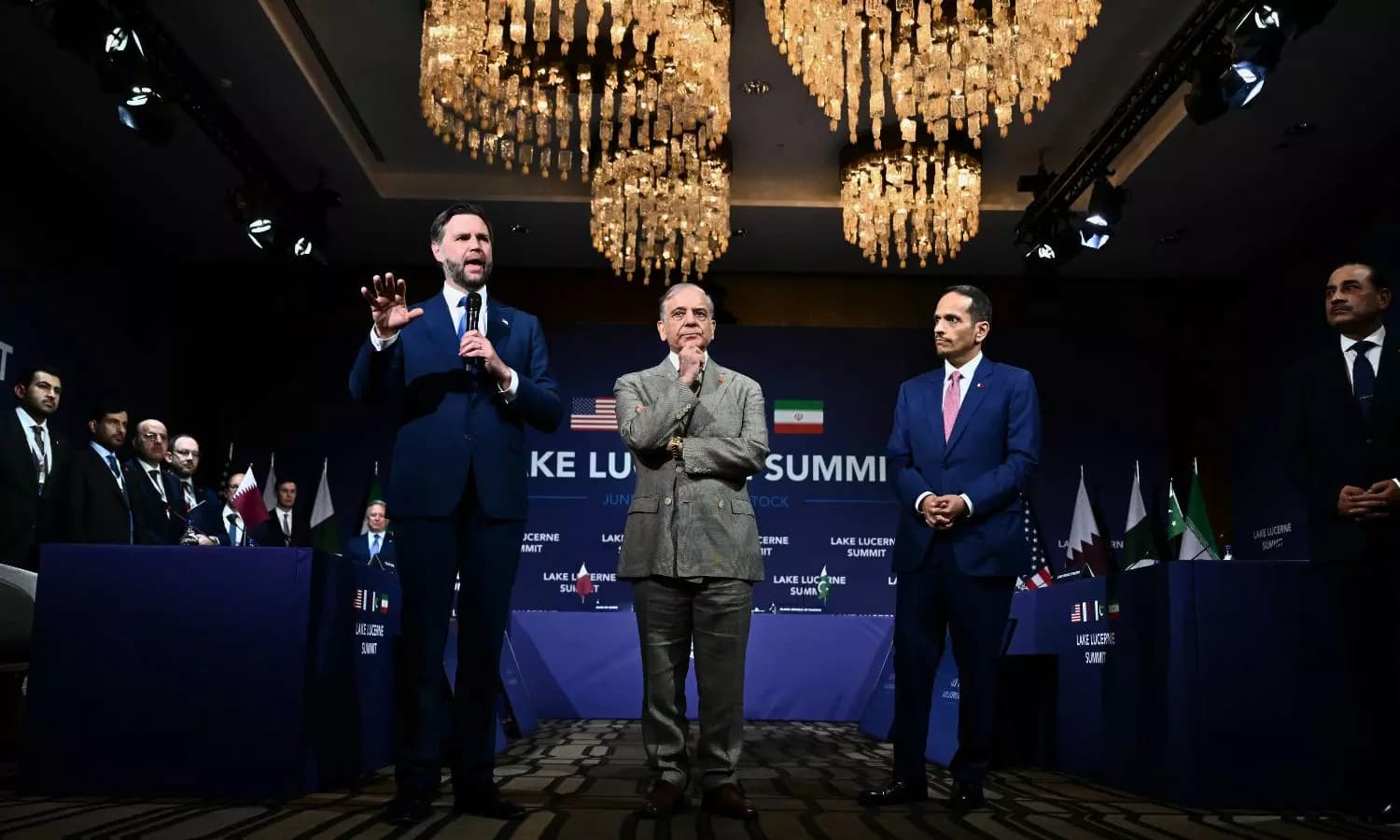
High-level negotiators from the United States and Iran have gathered in Switzerland to engage in critical technical-level talks regarding an interim agreement to end the ongoing conflict. These discussions, aimed at fostering a potential breakthrough, are taking place at the Bürgenstock Resort near Lake Lucerne, with facilitation provided by mediators from Pakistan and Qatar.
The U.S. delegation, headed by Vice President JD Vance and accompanied by Jared Kushner and Steve Witkoff, is meeting with Iranian representatives, including Parliament Speaker Mohammad Bagher Qalibaf and Foreign Minister Abbas Araghchi. The talks, referred to as the Lake Lucerne Summit, arrive at a pivotal moment in Middle Eastern diplomacy.
Evaluating US-Iran Peace Negotiations and Regional Stability
As the summit commenced, JD Vance emphasized the significance of the moment, questioning whether the nations could establish a new foundation for their relationship or revert to previous, adversarial approaches. The US-Iran peace negotiations are primarily focused on halting hostilities on multiple fronts, including the conflict in Lebanon, and include provisions for unfreezing billions of dollars in Iranian assets.
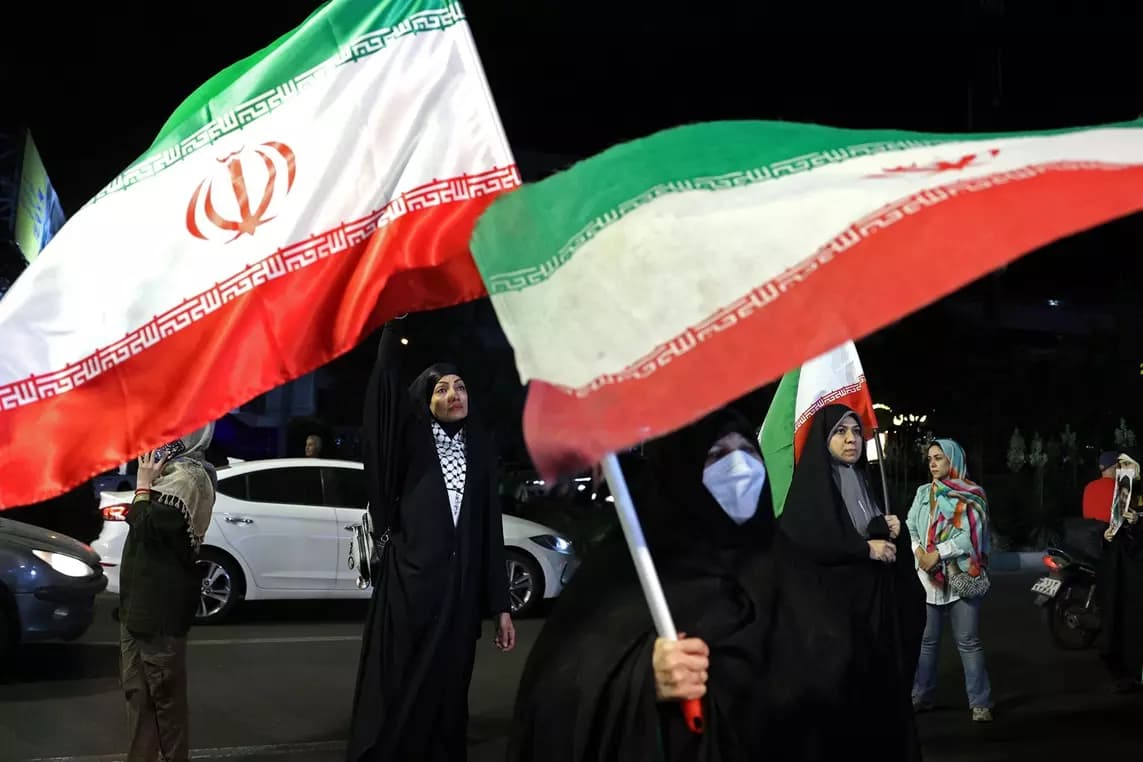
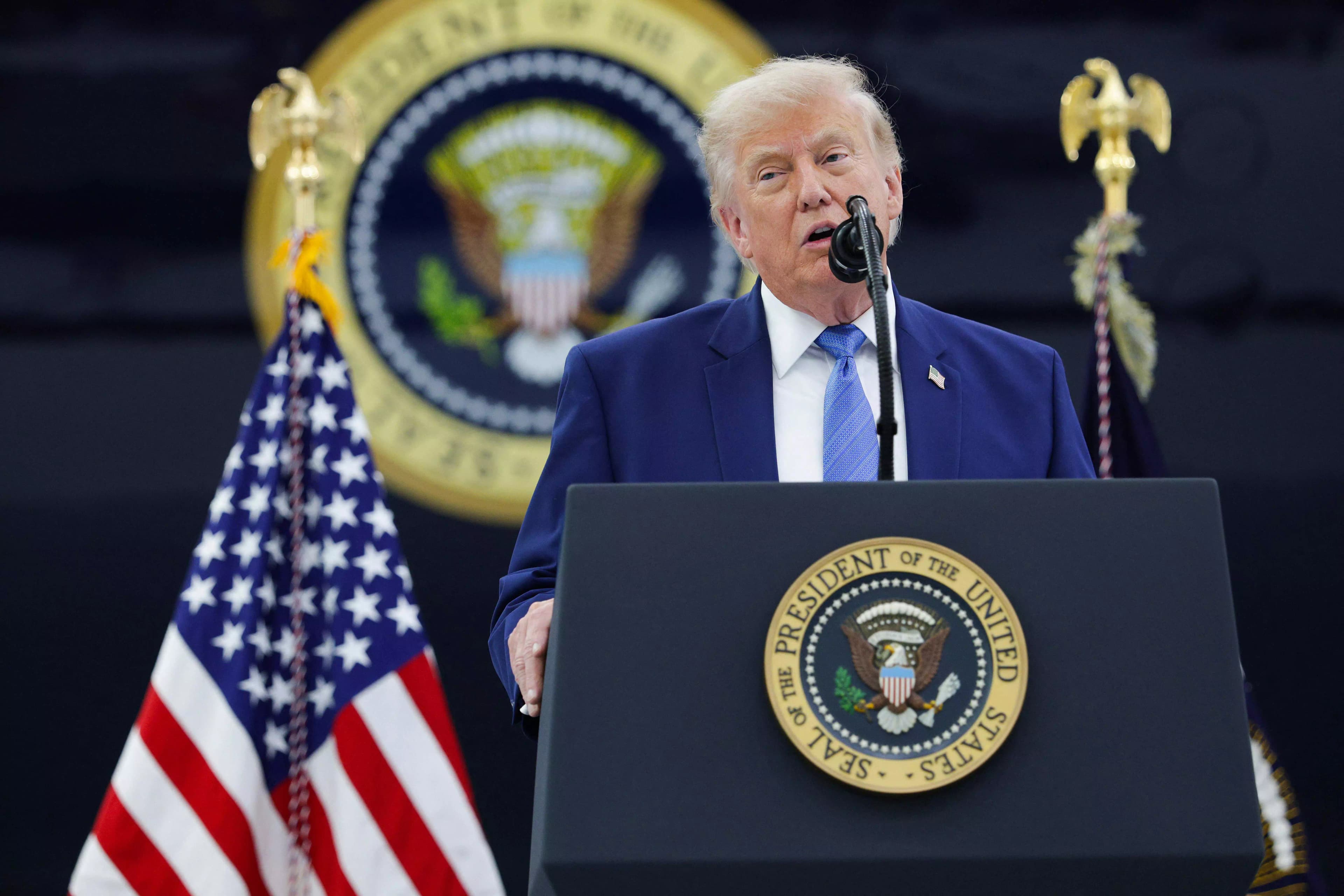
Tensions remain elevated, however, as Tehran recently announced the closure of the Strait of Hormuz, citing Israel’s military actions in Lebanon. While the U.S. has challenged this claim, asserting that maritime traffic remains functional with significant oil transport ongoing, the strategic waterway remains a central point of contention. President Donald Trump has issued warnings regarding the implementation of tolls should a comprehensive agreement not be finalized within the designated 60-day window.
Separate discussions are also being held on the sidelines. Pakistan’s Prime Minister Shehbaz Sharif, joined by army chief Field Marshal Asim Munir, has conducted meetings with both the U.S. and Iranian delegations. Furthermore, Rafael Grossi, head of the International Atomic Energy Agency, was present at the resort, meeting with Swiss Foreign Minister Ignazio Cassis. The international community is closely monitoring these developments, particularly as Iran maintains its stance regarding its nuclear program and the right to uranium enrichment.
While the talks focus on regional de-escalation, the humanitarian and military impact of the ongoing conflicts continues to be felt. Recent reports indicate a temporary lull in hostilities in Lebanon following a period of intense strikes. Observers emphasize that the successful implementation of any resulting document will be the true measure of progress for these high-stakes diplomatic efforts.