US and Iran Begin High-Level Talks in Switzerland on Permanent Peace Deal
The US and Iran have opened high-level negotiations in Switzerland aimed at a permanent peace deal covering nuclear programs and the Strait of Hormuz. The talks persist despite ongoing regional tensions in Lebanon and warnings from President Donald Trump.
Highlights
- •The US and Iran have started high-level peace negotiations in Switzerland.
- •Talks focus on the Iranian nuclear program and the Strait of Hormuz.
- •President Trump warned Iran regarding the actions of its proxies in Lebanon.
- •Global energy transit through the Strait of Hormuz remains operational despite tensions.
The United States and Iran have officially commenced high-level discussions in Switzerland aimed at establishing a permanent peace deal. This diplomatic effort seeks to resolve long-standing tensions surrounding the Islamic Republic’s nuclear program and ensure the secure, lasting reopening of the Strait of Hormuz.
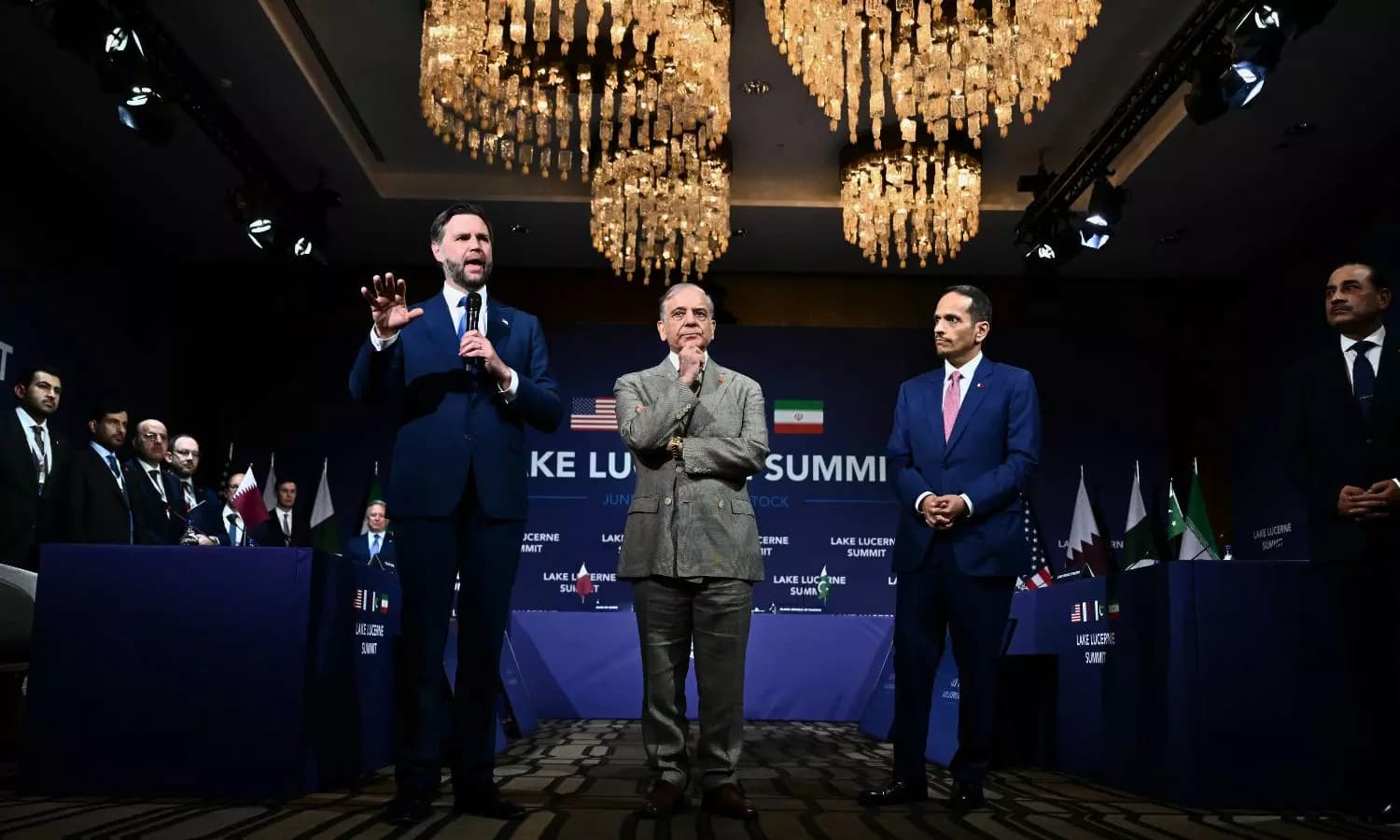
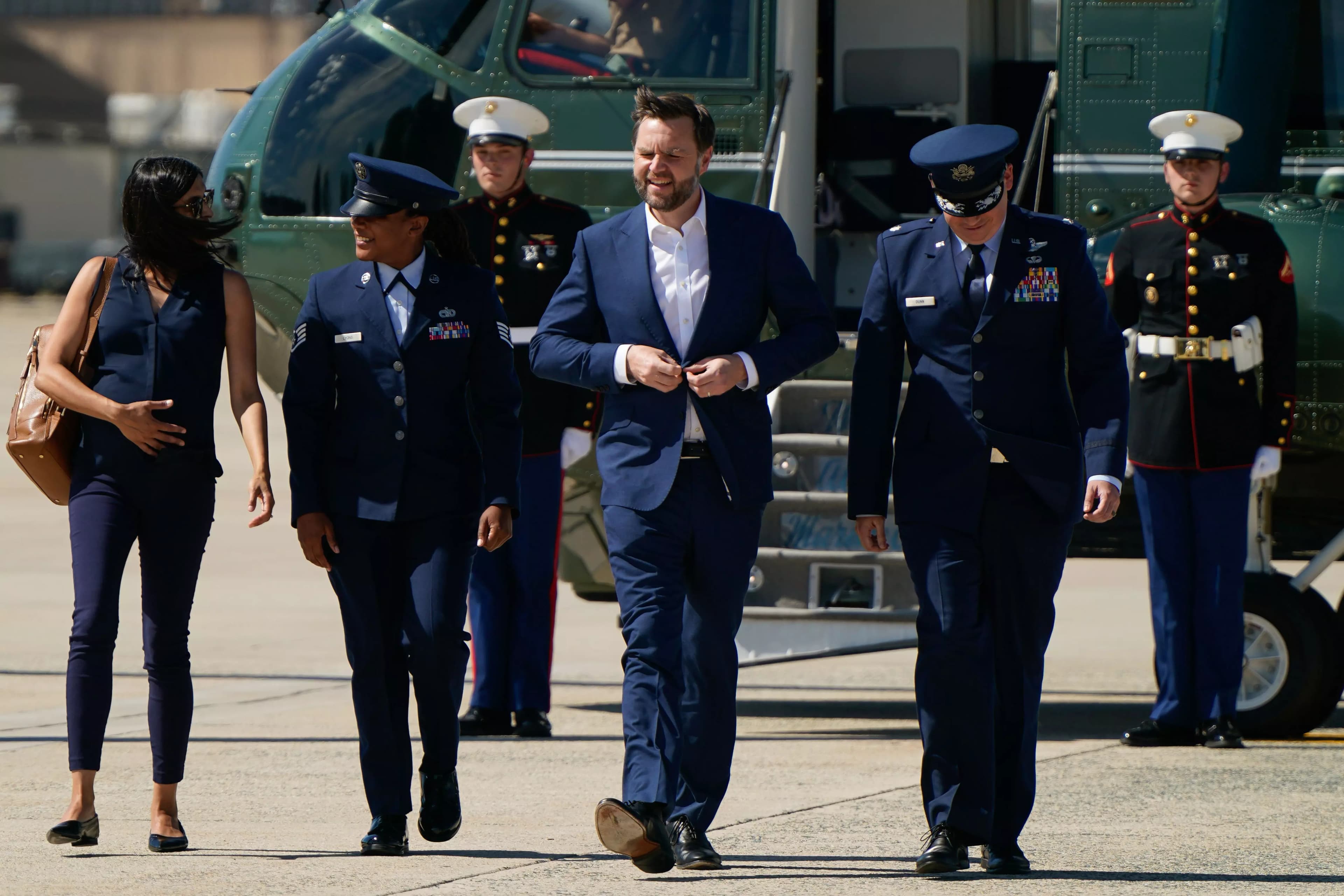
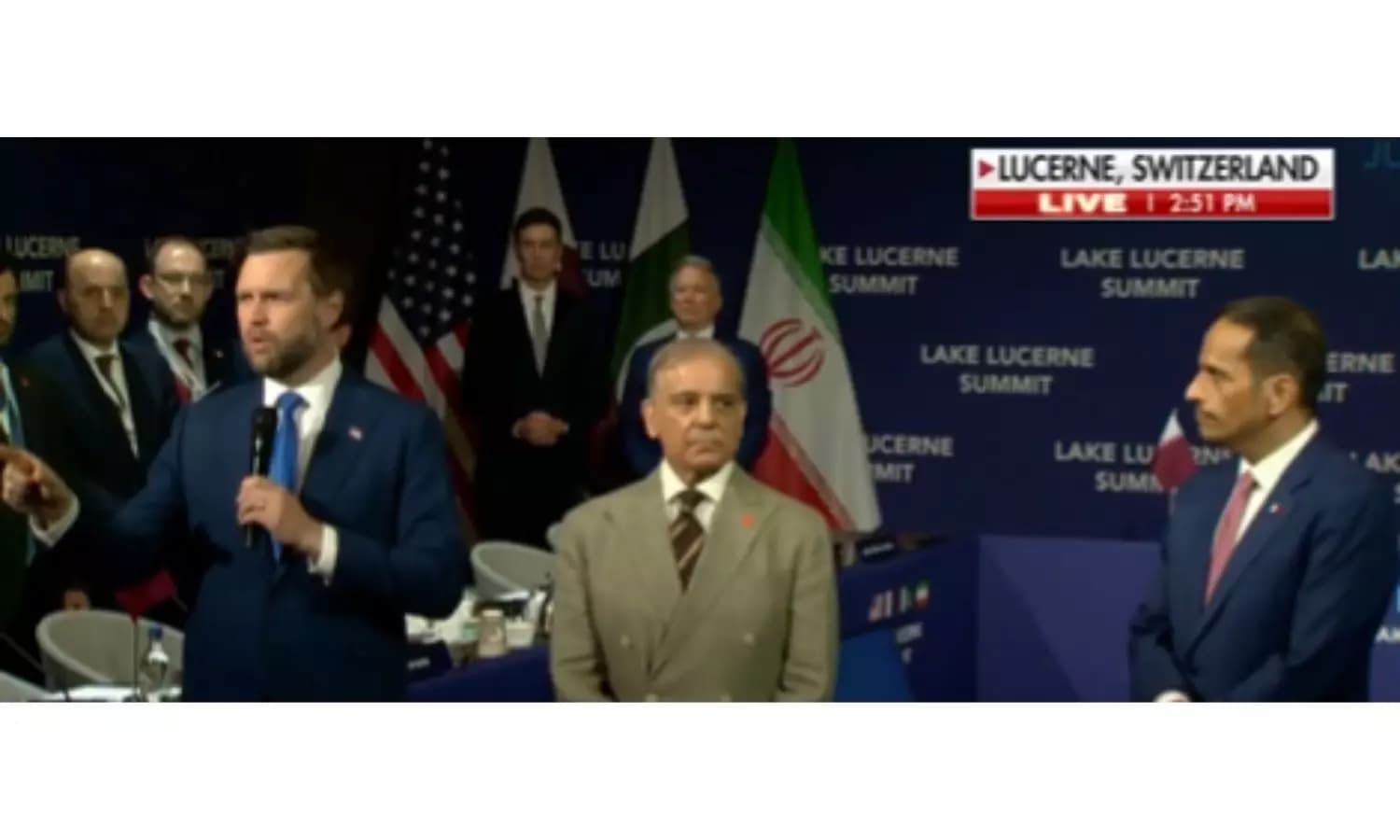
The initial meetings began this Sunday at the Bürgenstock resort. The gathering includes key representatives from the United States, Iran, Qatar, and Pakistan. Notable attendees include United States Vice President J.D. Vance and Iranian Foreign Minister Abbas Araghchi. These talks are considered a vital step toward navigating the complex geopolitical landscape between the two nations.
Diplomatic Challenges and Escalating Rhetoric
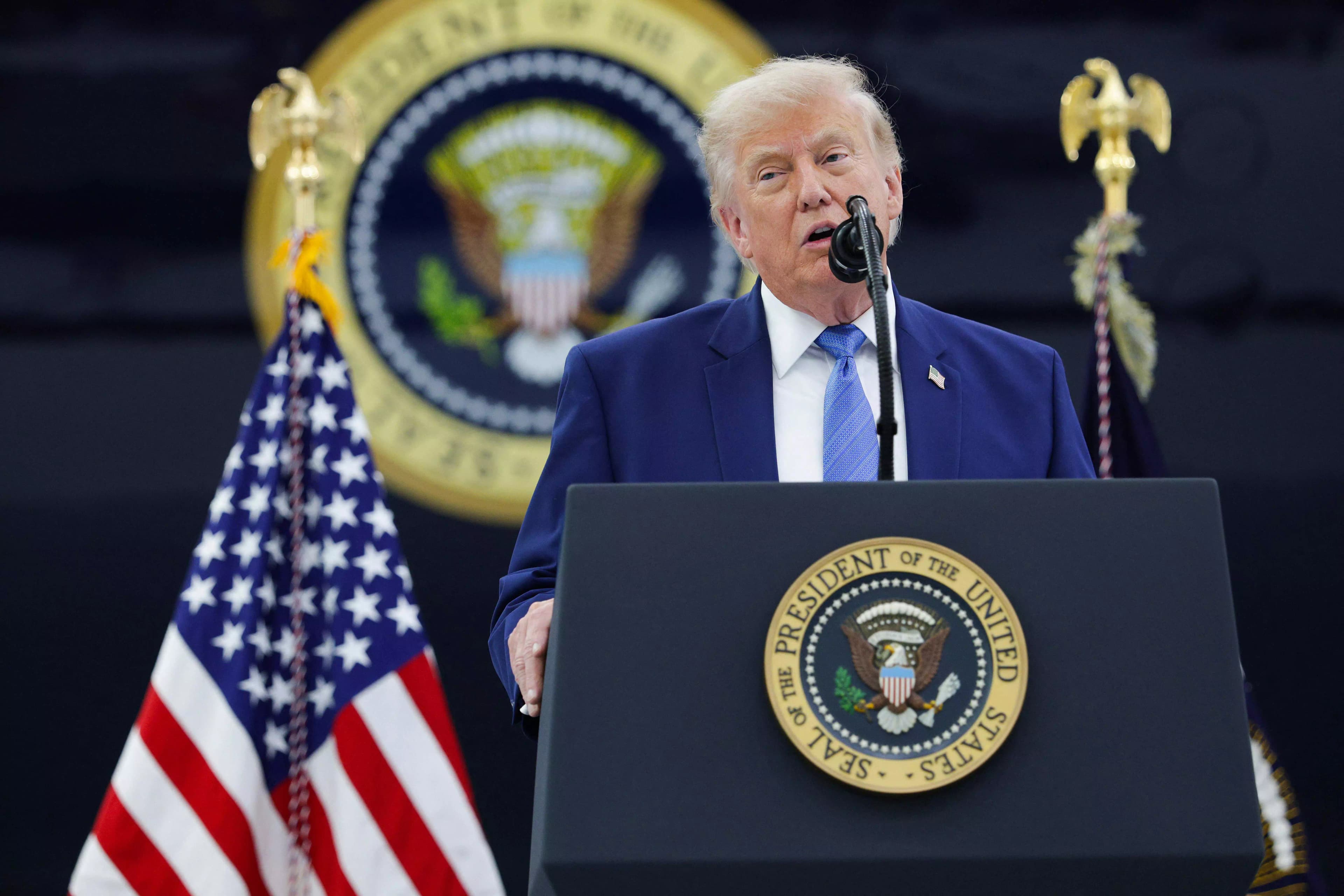
Despite the commencement of the US-Iran peace deal negotiations, the atmosphere remains fragile. Shortly after the meetings started, President Donald Trump issued a stern warning via social media, threatening further action against Iran unless it immediately halts the activities of its proxies in Lebanon. The United States continues to maintain a firm stance regarding regional stability while pursuing these complex diplomatic channels.
Vice President J.D. Vance characterized the event as the start of a technical negotiation process. He acknowledged that while a single meeting will not resolve every point of contention, it provides a necessary forum for teams to align their interests. Iran’s delegation has notably sought to maintain a distance during these proceedings, with reports indicating they declined a joint photo opportunity with the American representatives.
The broader regional conflict involving Israel and the Hezbollah militant group continues to cast a long shadow over the proceedings. Tehran has consistently sought to link the ongoing crisis in Lebanon—where it demands an Israeli withdrawal—with the success of the US-Iran peace deal. Israeli Defense Minister Israel Katz has reiterated that Israeli forces will maintain their positions in the security zone along the Yellow Line to neutralize threats, despite pressure to withdraw.
Energy Security and Global Impact
The status of the Strait of Hormuz remains a central concern for global energy markets. Although Tehran recently threatened to close this vital waterway for global oil and gas supplies, data indicates that merchant shipping has continued. US Central Command reported significant commercial activity, with dozens of merchant vessels successfully transiting the region. Energy Secretary Chris Wright confirmed that the United States continues to escort ships, demonstrating the capability to maintain transit through the strait regardless of current tensions.
The current memorandum of understanding grants the parties 60 days for negotiations, with options for extensions. As the teams work toward establishing a formal structure for these discussions, the global community is closely monitoring the impact on international energy flow and regional security.