Toll Hike on Delhi-Meerut Expressway from April 2026: Get Ready for Higher Costs
Starting April 1, 2026, the Delhi-Meerut Expressway will see a 5% toll hike, integrating digital payment systems and closing all cash transactions, impacting daily travelers significantly.
Highlights
- •NHAI announces significant toll rate increase (5%) effective April 1, 2026
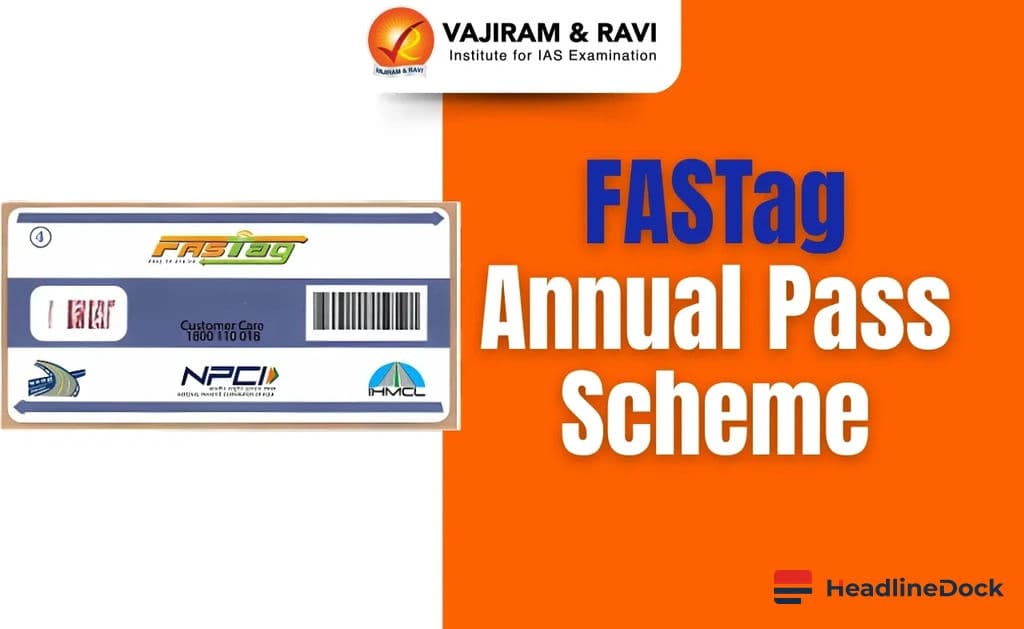
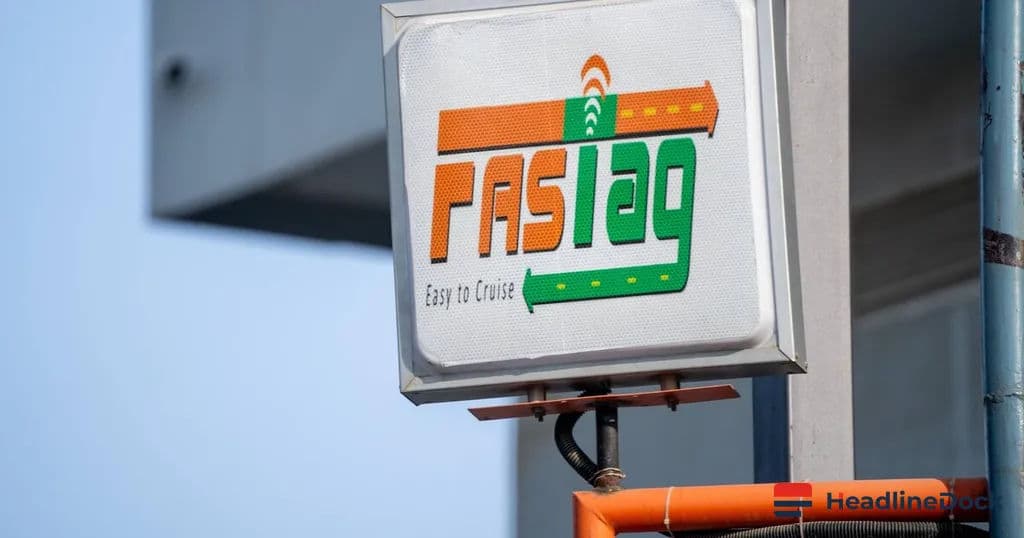
- •Cash payments banned in favor of Fastag or UPI at all seven expressway entry and exit points
- •Light vehicles see a ₹5 rise per trip on the approximately 82-kilometer journey from Sarai Kale Khan to Meerut
- •Two-axle buses, trucks, and large oversized vehicles will pay ₹10 more per one-way journey
From April 1, 2026, the National Highways Authority of India (NHAI) will implement a significant toll hike across the Delhi-Meerut Expressway, marking a 5% average increase in charges. This change primarily affects travelers, particularly those using light vehicles, commercial vehicles, and minibuses.
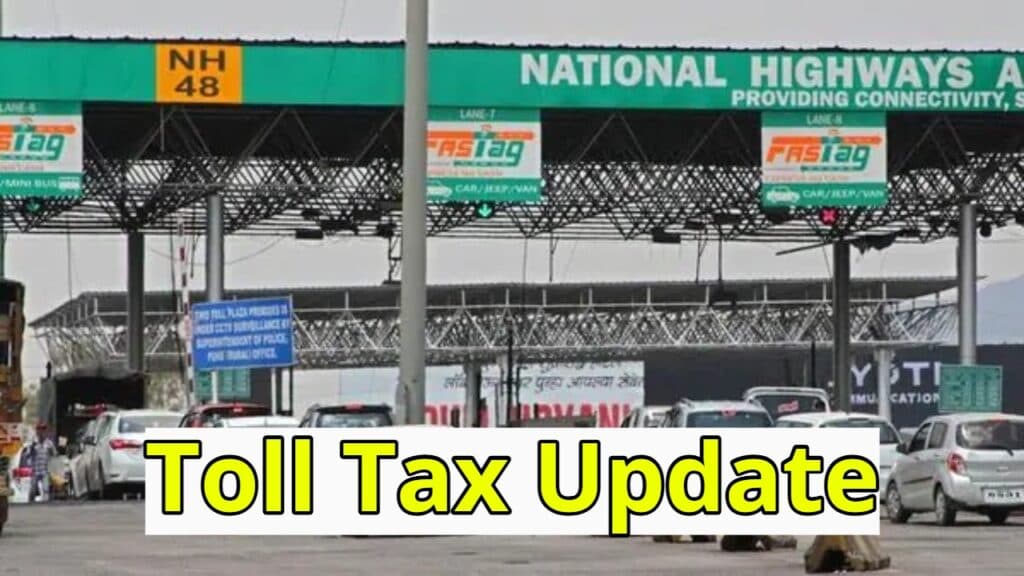
In a bid to modernize toll collection processes, NHAI has also banned cash payments at all seven entry and exit points of the expressway. Instead, commuters will need to adopt Fastag or UPI for seamless travel. This transition aims to reduce queues and enhance efficiency along the 82-kilometer route between Sarai Kale Khan and Meerut.
Toll Rate Increases and Travel Costs
The toll rates for various vehicle categories will see substantial adjustments, leading to increased costs. For instance, light vehicles now face a 5% hike in toll charges, from ₹170 to ₹175 unidirectional. The return journey sees an additional increase of ₹10 to ₹265.
The cost for one-way journeys by light commercial vehicles and minibuses has risen from ₹275 to ₹285. Similarly, two-axle buses, trucks, and large oversized vehicles will pay ₹120 instead of the previous₹ 115. These changes underscore a clear shift towards digital payment solutions as per NHAI's initiative.
The implementation of a closed tolling system ensures accurate distance-based fares, using robust Fastag readers and cameras to calculate charges based on actual travel distance, thereby eliminating manual payments. This modernization aims to streamline the journey experience for commuters while ensuring precise cost recovery for NHAI.