Three Indian-Flagged Oil Tankers Successfully Complete Passage Through Strait of Hormuz
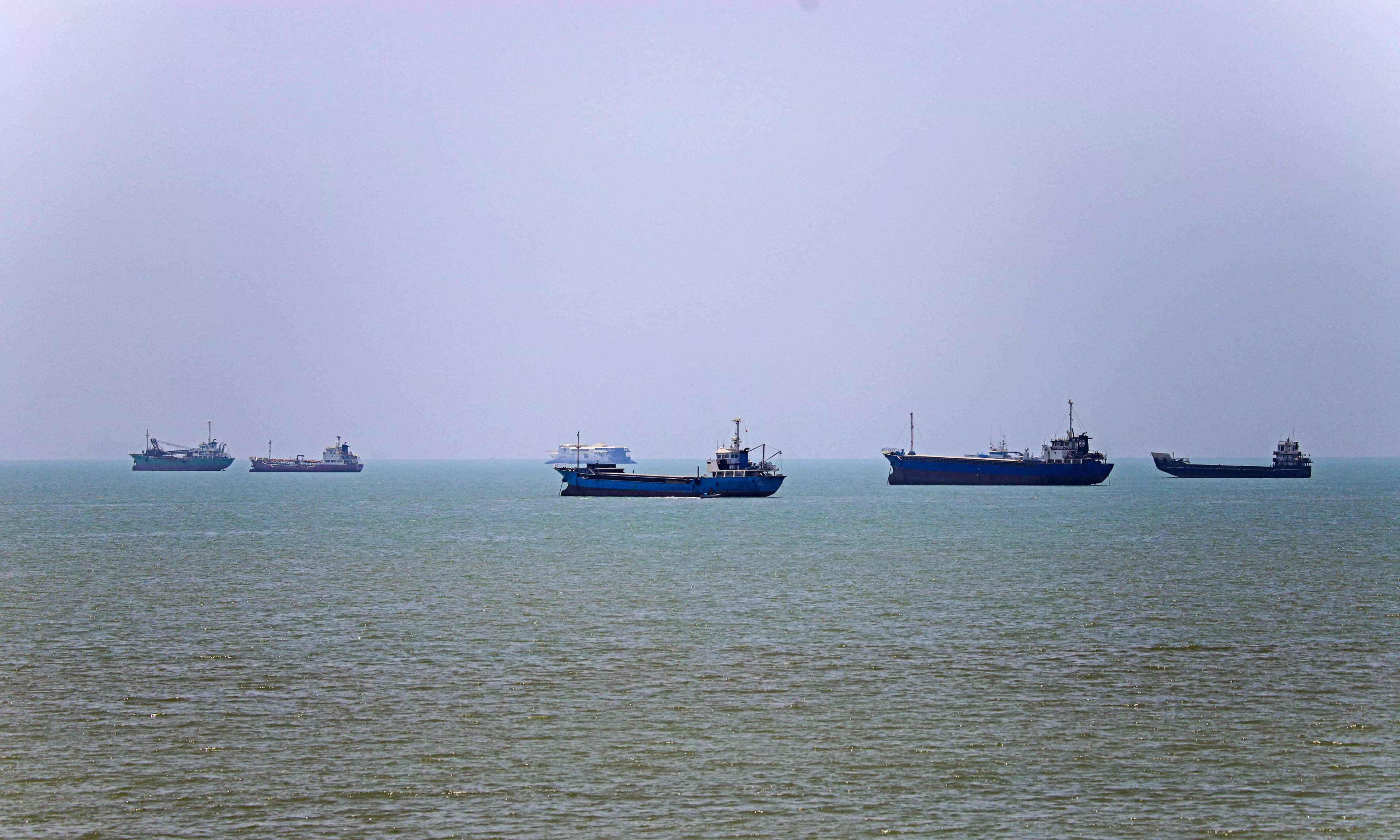
Three Indian-flagged oil tankers carrying over 8.6 lakh metric tonnes of cargo have successfully transited the Strait of Hormuz. The vessels are en route to Indian ports, marking a significant development for the nation's maritime energy security following recent regional policy changes.
Highlights
- •Three Indian-flagged tankers carrying over 8.6 lakh MT of cargo have passed through the Strait of Hormuz.
- •The vessels Desh Vaibhav, Desh Vibhor, and Sanmar Herald are expected to reach India between June 24 and July 1.
- •The maritime transit followed the lifting of a blockade after a new agreement between the US and Iran.
- •Government agencies are coordinating to ensure the safety of the 94 Indian crew members on board.
Three Indian-flagged oil tankers, carrying a combined cargo exceeding 8.6 lakh million tonnes, have successfully completed their transit through the Strait of Hormuz. This significant maritime movement marks a vital step in maintaining energy supplies, with the vessels currently navigating their return journey toward Indian ports.
The mission involves a total of 94 crew members aboard the three vessels: Desh Vaibhav, Desh Vibhor, and Sanmar Herald. The government has confirmed that these tankers are scheduled to reach various Indian destinations between June 24 and July 1, reinforcing the nation's commitment to securing its critical maritime energy lifelines.
Strategic Maritime Movement and Logistics
According to updates provided by the Union Minister of Ports, Shipping & Waterways, Sarbananda Sonowal, the vessels are on track for their respective arrivals. The Desh Vaibhav is expected to dock at Vadinar Port on June 24, while the Desh Vibhor is scheduled to arrive at Sikka Port on the same date. The third vessel, Sanmar Herald, is projected to complete its journey at Paradip Port on July 1.
This transit through the Strait of Hormuz was made possible following significant shifts in international maritime conditions. Recently, the United States lifted its blockade in the region, following a tentative agreement aimed at ending active hostilities. This diplomatic breakthrough has allowed essential shipping lanes, which were largely inaccessible for several months, to reopen for commercial traffic.
Geopolitical Context and Energy Security
The movement of these Indian-flagged oil tankers follows a high-level agreement signed on June 18. Under the terms of this deal, Iran has agreed to scale back its stockpile of highly enriched uranium. In exchange, the United States has waived sanctions that previously restricted the country's oil exports, permitting a more stable flow of energy resources through the Strait of Hormuz.
The federal government has emphasized that securing these maritime routes is a top priority. Authorities are actively coordinating with various agencies to ensure the safety of Indian seafarers and the integrity of the national energy supply chain. This effort highlights the focus on maintaining steady logistics despite evolving regional complexities, ensuring that vital resources continue to reach the country safely and efficiently.