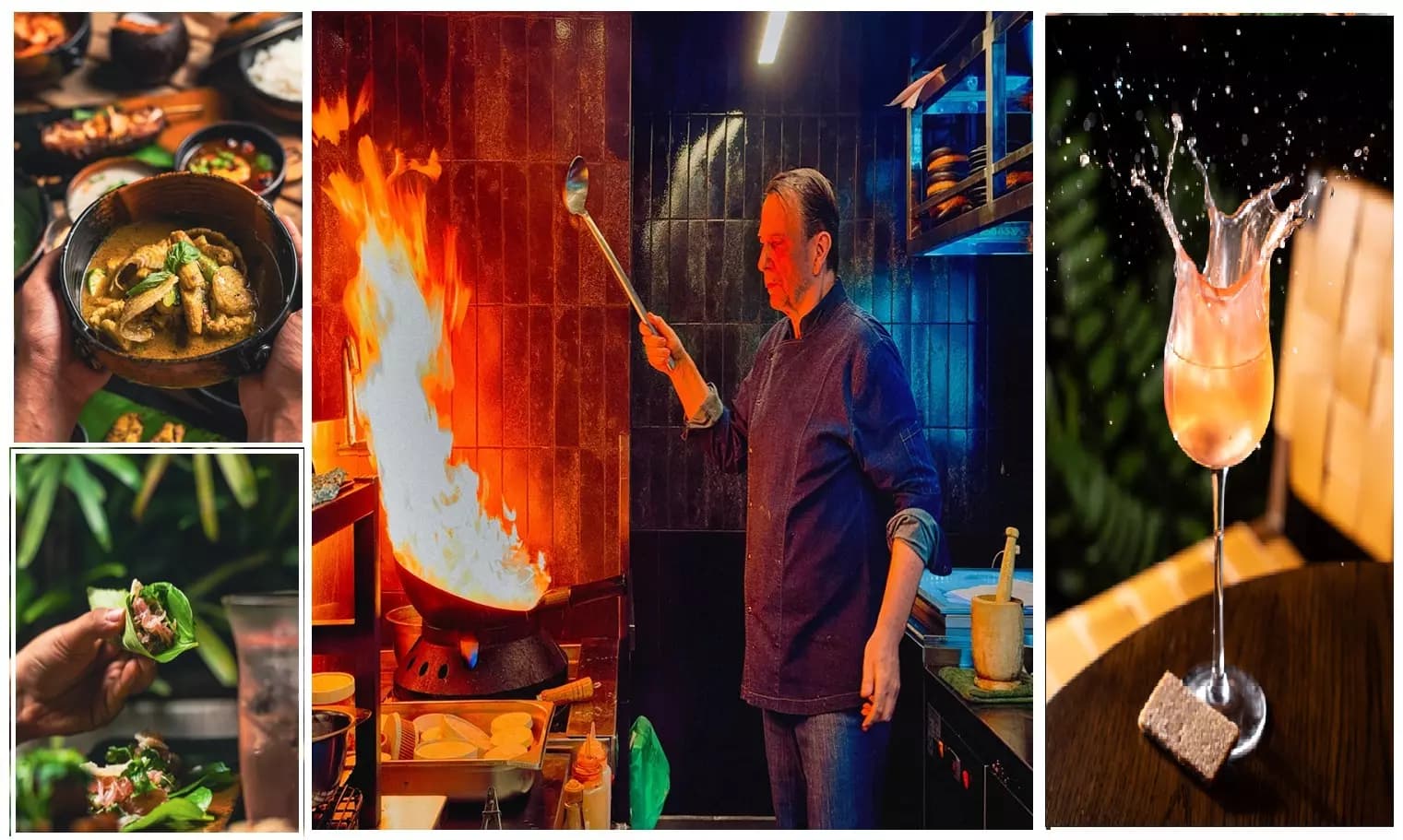
The Shift in Hyderabad’s Food Scene: Fine Dining vs Authentic Heritage
Hyderabad's culinary landscape is increasingly favoring performative fine dining over authentic, traditional recipes. This shift toward curated experiences often prioritizes aesthetics and labels over the true quality, heritage, and integrity of the food being served to modern diners.

Highlights
- •Hyderabad's food scene is shifting toward performative luxury over traditional culinary substance.
- •Modern fine dining often uses labels like 'artisanal' and 'bespoke' to mask a lack of genuine depth.
- •Historical culinary masters like Imtiaz Qureshi prioritized inheritance and memory over spectacle.
- •There is an increasing disconnect between high-end service protocols and the actual quality of the food.
The culinary landscape of Hyderabad is undergoing a shift that often prioritizes appearance over the profound depth of traditional flavors. Many establishments are increasingly adopting a fine dining aesthetic, relying on high-end labels and curated experiences to attract diners, rather than focusing on the substance and history of the food itself. This reliance on performative luxury often overlooks the rich heritage of local recipes that have been cherished for generations.
The Erosion of Authentic Culinary Traditions
True culinary appreciation, often subtle and rooted in genuine quality, is being overshadowed by a need for display. Modern dining environments now frequently emphasize controlled acoustics, white-glove service, and elaborate narratives about ingredients. This approach often introduces terms like farm-to-fork, organic, and gluten-free to provide a veneer of virtue. While these labels aim to reassure, they can sometimes mask a lack of depth in the actual preparation and execution of the meal.
For those who remember the mastery of chefs like Imtiaz Qureshi and Habib Rehman, the contrast is stark. In the past, the art of dum pukht was an inheritance, a craft passed down through memory and dedication. Today, the experience in many high-end eateries feels more like a rehearsed performance. Diners might encounter beautiful settings—complete with fountains and lotus ponds—yet find that the food fails to deliver the promised integrity, sometimes marred by poor quality ingredients or excessive use of heavy, masking flavors.
Beyond the Surface of Fine Dining
The discrepancy between the promise of a premium experience and the reality on the plate is becoming more apparent. When fine dining becomes a series of rigid protocols—such as serving courses in a strictly choreographed manner—the focus shifts away from the pleasure of eating. The emphasis on outward presentation can lead to situations where even basic hygiene or quality standards are compromised, turning a potentially refined meal into a hollow experience.
Furthermore, these spaces often fail to offer true inclusivity. Despite the polished surfaces and curated atmospheres, many restaurants still operate under antiquated expectations that dictate who belongs in certain spaces or how they should behave. While the exterior might be designed to impress, the internal culture of these establishments frequently lacks the warmth and authenticity that once defined the city's food scene. Ultimately, when marketing and branding efforts significantly exceed the quality of the cuisine, the diners are left with an experience that is aesthetically curated but fundamentally lacking in soul.