The Seychelles Way: Redefining Luxury Through Nature and Sustainable Tourism
Seychelles is setting a global standard for sustainable tourism by prioritizing environmental conservation and cultural preservation. By limiting commercialization and encouraging authentic local engagement, the island nation ensures its natural beauty and heritage remain protected for future generations to experience and enjoy.
Highlights
- •Seychelles prioritizes environmental protection over commercial tourism development.
- •The nation enforces strict regulations to preserve beaches and marine ecosystems.
- •Hotels actively integrate local Creole culture and community participation into the guest experience.
- •The country celebrates its 50th Anniversary of Independence, reflecting on decades of sovereignty.
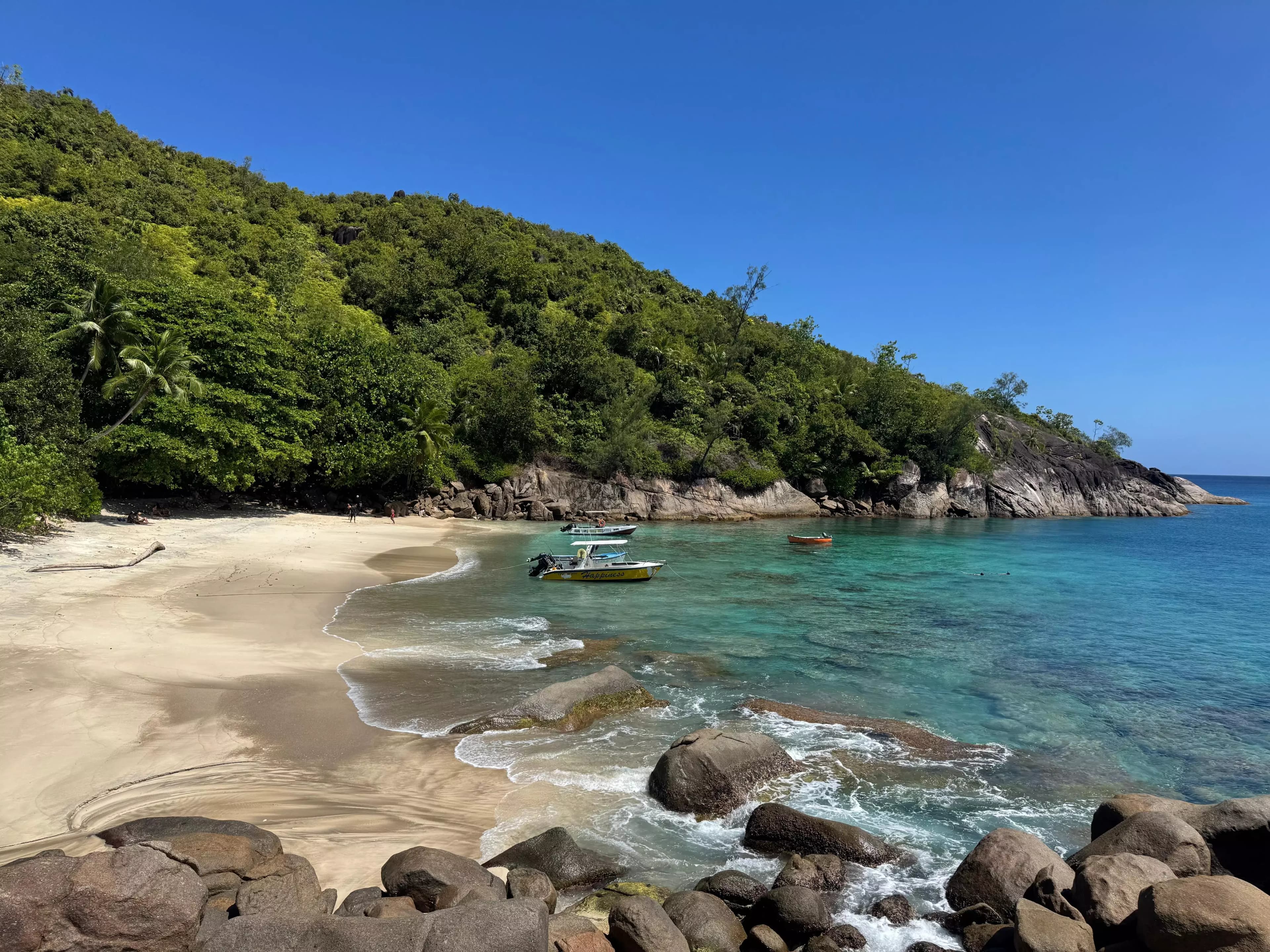
In Seychelles, the concept of luxury is being redefined through a deep commitment to environmental preservation and cultural integrity. Rather than focusing on excess, the island nation has adopted a sustainable tourism model where natural beauty and local traditions are held in higher regard than commercial development. Visitors to this tropical paradise will find that beaches remain open to the public, free from the clutter of private clubs or loud entertainment, ensuring that the landscape remains as nature intended.
Redefining Luxury Through Environmental Conservation
The approach to sustainable tourism in Seychelles is integrated into every aspect of the hospitality industry. Resort operators are actively minimizing their environmental footprint by reducing plastic usage and implementing strict regulations on coastal activities. For example, lights are kept off beaches to ensure the safety of nesting turtles, and beach umbrellas are prohibited to maintain the natural aesthetic of the shoreline. This philosophy shifts the measure of luxury from the ownership of private space to the respectful access to protected nature.
Marine ecosystems are also managed with great care. Even high-end establishments adhere to government-mandated fishing seasons, ensuring that local marine life, such as lobsters and prawns, is not overexploited. This dedication to conservation ensures that the islands maintain their biodiversity, making them a model for global travel destinations seeking to balance visitor interests with ecological health.
Integrating Culture and Heritage
Beyond the environment, the Seychelles experience is deeply rooted in its vibrant culture. Guests are encouraged to explore beyond their resorts to visit historic Victoria, navigate trekking trails, and discover local spice gardens. Many hotels act as custodians of heritage by inviting local communities to showcase traditional arts, music, and cuisine within the property. This provides visitors with an authentic introduction to island life while supporting local artisans and performers.
The local Creole cuisine, which shares similarities with South Indian culinary traditions, features a distinct blend of coconut, spices like cardamom and cinnamon, and fresh seafood. This culinary landscape serves as a testament to the nation’s multicultural history, shaped by centuries of migration from Africa, Europe, and India. As Seychelles commemorates its 50th Anniversary of Independence on June 29, 1976, this unique destination continues to demonstrate that a prosperous future for tourism lies in the careful protection of its natural and cultural heritage.