The Science of Fire: Unlocking the Physics and History of Flames
The science of fire is a complex interplay of physics and chemistry that has shaped human evolution. From the basics of combustion to the reasons behind flame colors and smoke, understanding fire reveals the sophistication behind this ancient human tool.
Highlights
- •Mastering fire allowed early humans to expand their habitats and optimize nutritional intake through cooked food.
- •The 'fire triangle' consists of three essential elements: fuel, an oxidizer, and sufficient activation energy.
- •Flame colors, ranging from red to blue, are determined by the fire's temperature and the chemical composition of the fuel.
- •Smoke is a byproduct of incomplete combustion, occurring when oxygen levels or fuel quality are insufficient for a clean burn.
Fire has long been one of the most transformative forces in human history, serving as a pillar of survival and societal evolution. Long before the advent of agriculture or complex civilizations, early humans harnessed the science of fire to modify their environment. Mastering this natural phenomenon allowed our ancestors to venture into colder climates, protect themselves from predators, and fundamentally change their nutritional intake.
The ability to cook food through fire was a pivotal development. By physically and chemically altering proteins and carbohydrates, humans could digest their meals more efficiently, requiring less metabolic energy. This surplus energy likely supported the evolution of larger, more complex brains. Beyond survival, the communal bonfire acted as a social nexus, fostering communication, language, and the oral traditions that would eventually blossom into human culture.
Understanding the Physics of Combustion
At its core, a bonfire is a manifestation of combustion reactions. This chemical process involves the rapid oxidation of fuel—typically substances rich in hydrogen and carbon—when exposed to oxygen. As these materials react, they release energy in the forms of heat and electromagnetic radiation, occasionally leaving behind solid residue known as ash. Scientists often describe this as the "fire triangle," which requires three distinct components: a fuel source, an oxidizer like oxygen, and sufficient activation energy. If any one of these elements is removed, the fire will cease to burn.
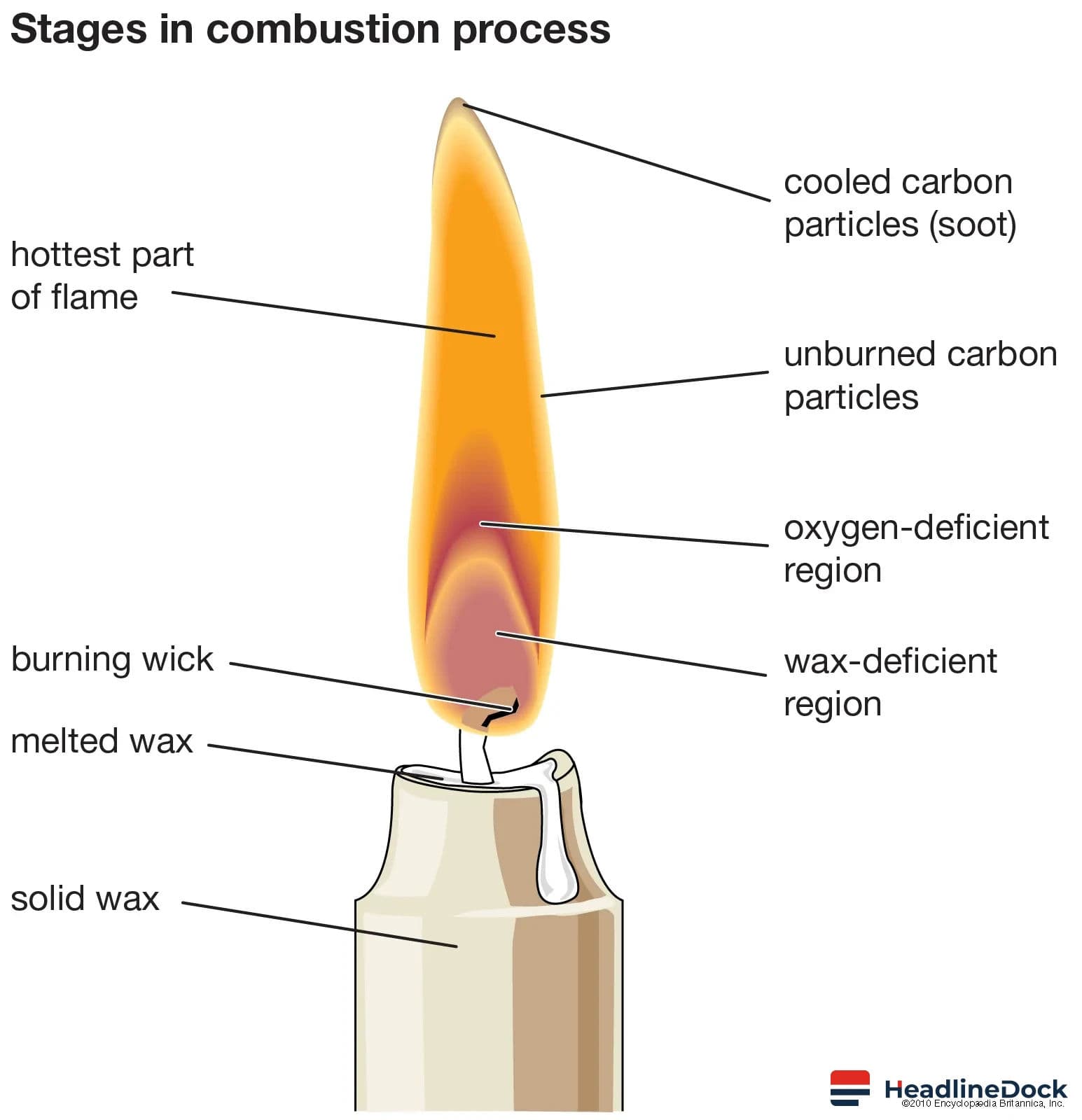
While the concept appears simple, the behavior of flames is complex. In Earth’s gravity, hot gases rise due to convection, creating the familiar elongated shape of a flame. In environments lacking significant gravity, such as space, flames behave quite differently, often forming spheres dominated by diffusion rather than rising gas currents. The internal structure of a flame itself is equally fascinating, consisting of a preheating zone, an active reaction zone, and a post-combustion stabilizing phase.
The Science Behind Flame Colors and Smoke
The vibrant colors observed in a flame are the result of chemical and thermal interactions. Incandescence, which produces yellow and orange hues, occurs when solid carbon particles—or soot—are heated until they radiate light. Conversely, specific colors like green or violet are generated through electronic excitation, where atoms absorb and then release energy at specific wavelengths. These colors are influenced by the temperature of the fire and the specific chemical elements present within the fuel.
The production of smoke, a common frustration during bonfire preparation, is indicative of incomplete combustion. When the fuel is not fully oxidized, it creates a mixture of gases, soot, and aerosols. Achieving a clean, efficient burn requires proper airflow and the use of dry, well-prepared fuel. By mastering the science of fire, we not only improve our ability to create functional campfires but also gain a deeper appreciation for the complex physics that governed our ancestors' first steps toward civilization.