The Iranian Diaspora: Navigating Life, Fear, and Conflict from Abroad
The Iranian diaspora, estimated at millions, struggles with profound emotional distress, survivor's guilt, and persistent anxiety due to the ongoing conflict in Iran. As they navigate uncertainty and communication challenges, their personal lives and community dynamics are deeply impacted by the instability facing their homeland.
Highlights
- •The Iranian diaspora, numbering nearly ten million, faces severe emotional distress due to the ongoing conflict.
- •Individuals struggle with survivor's guilt, managing personal lives while fearing for the safety of relatives in Iran.
- •Internal political divisions within the diaspora complicate social connections and family relations abroad.
- •Persistent uncertainty and communication blackouts contribute to high levels of chronic anxiety among those living outside Iran.
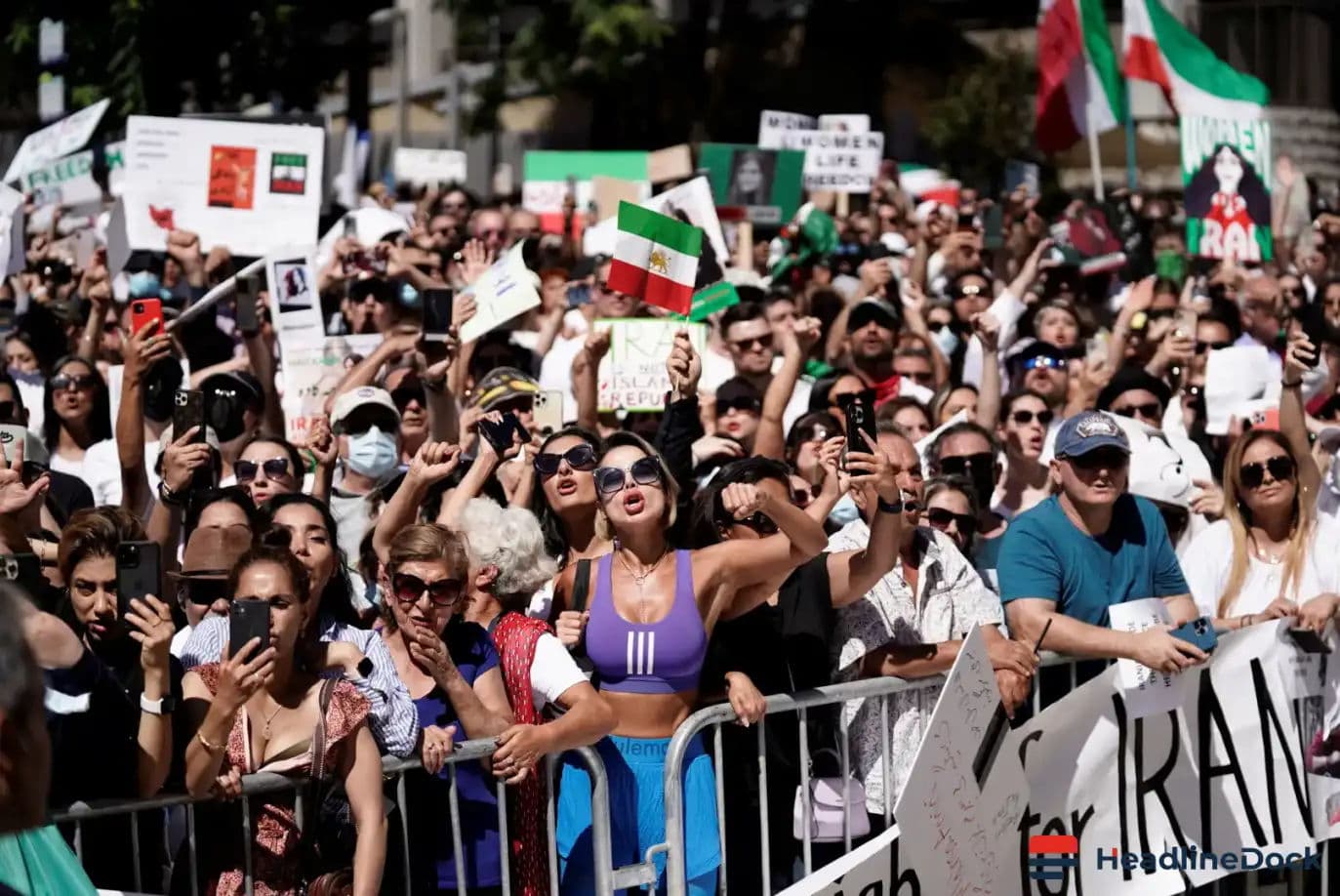
The global Iranian diaspora, consisting of approximately eight to ten million individuals, is currently grappling with the profound emotional and psychological impact of the ongoing conflict involving their homeland. These individuals are caught in a difficult position, managing intense anxiety for their families and friends while navigating life abroad in a period marked by significant uncertainty.
The Complex Reality of the Iranian Diaspora
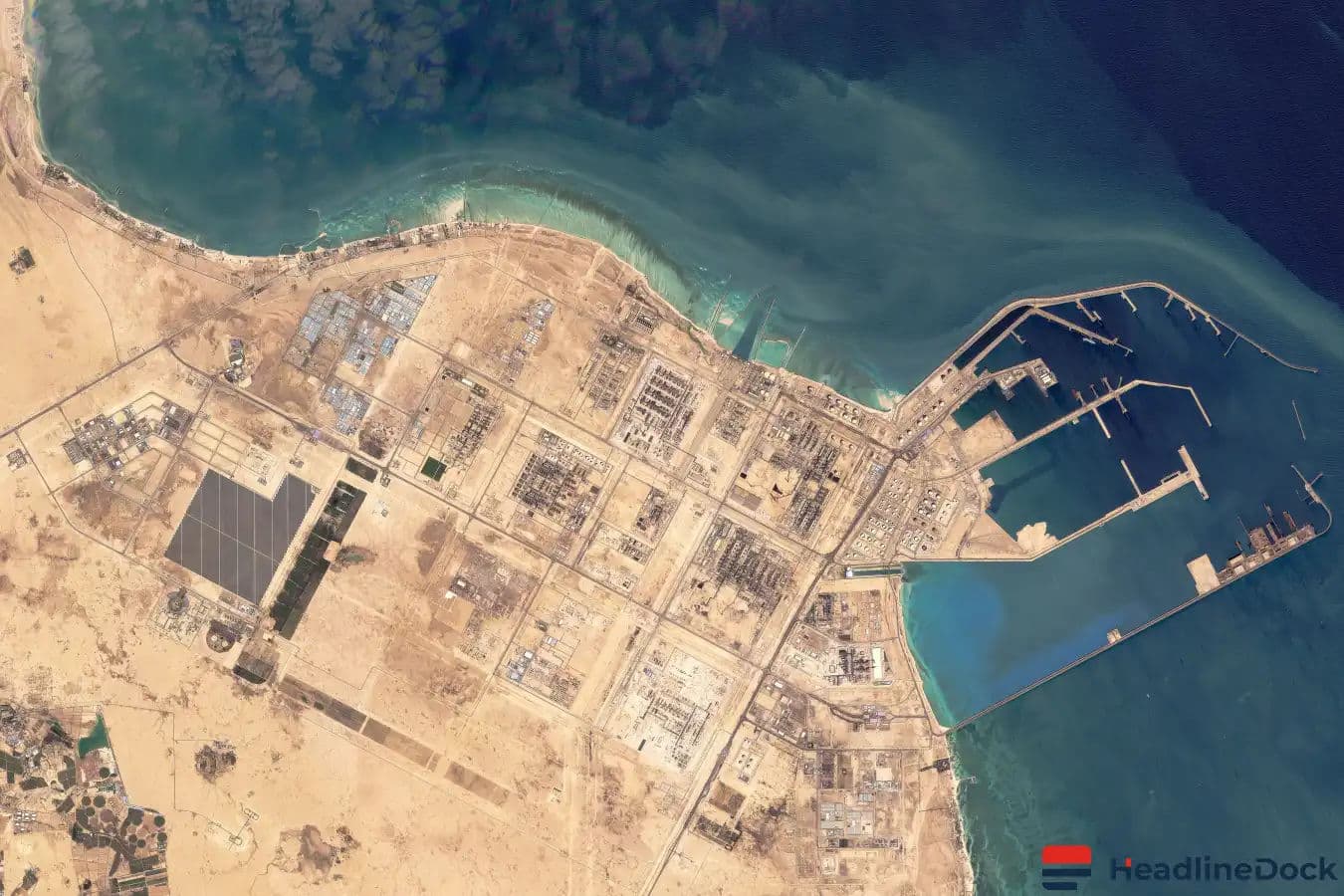
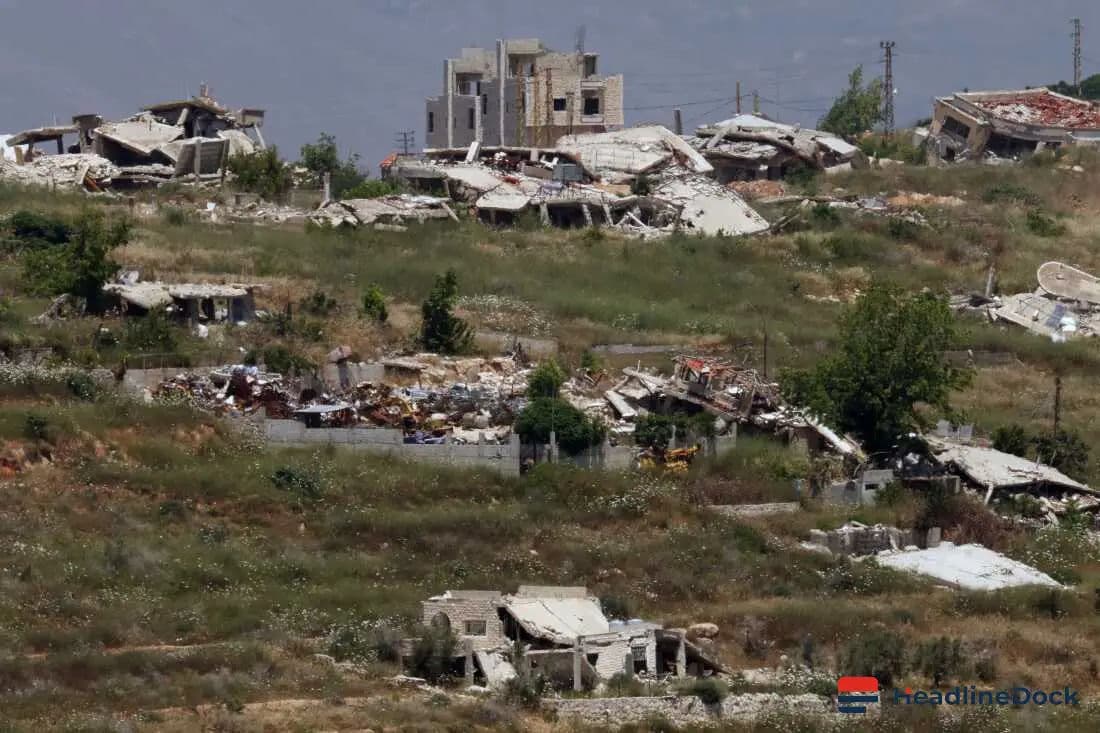
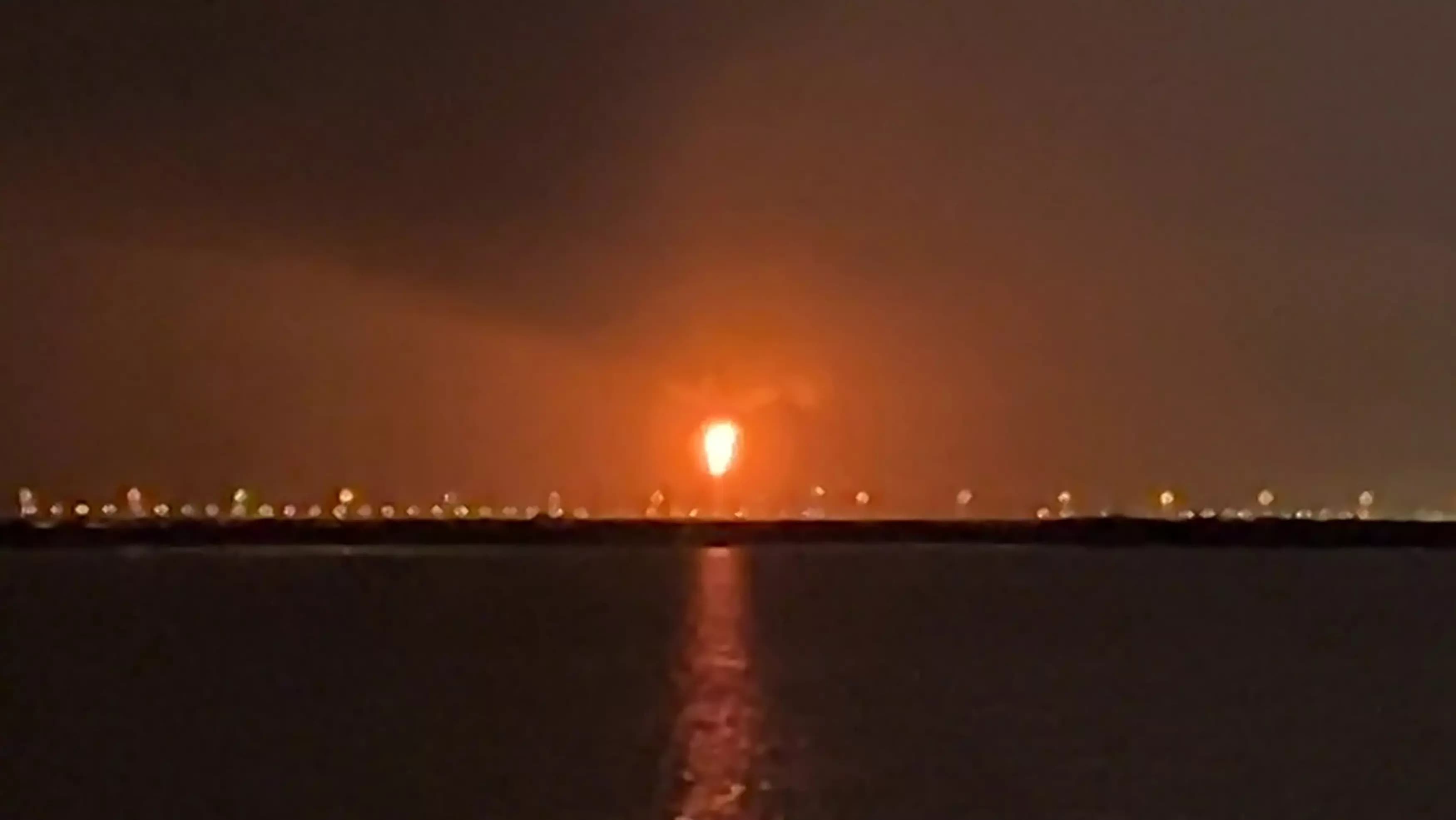
Living far from Iran, members of the diaspora experience a mix of fear, hope for change, and a distinct sense of guilt. While many observers focus on macro-economic shifts, such as global oil transit through the Strait of Hormuz, the personal reality for citizens and their extended families involves daily struggles with inflation, the threat of bombardment, and severe information blackouts. This persistent crisis has left many in the Iranian diaspora feeling disconnected from their loved ones, unable to easily bridge the gap created by limited communication channels.
The situation is further complicated by the diverse political viewpoints within the community. There is no single consensus on the future of the nation, with opinions varying from support for various opposition movements to differing views on the current political structure. These internal disagreements often seep into personal lives, impacting friendships and family dynamics. The resulting strain can lead to isolation, as individuals navigate these painful conversations alongside the weight of their own situation.
Managing Guilt and Constant Anxiety
Many Iranians residing overseas struggle with what is often described as the survivor's guilt. While they have access to stable internet and personal freedom, their relatives in Iran are living through extreme instability, potential blackouts, and the fear of violence. This emotional burden is pervasive, influencing everyday activities from career commitments to family interactions. Decisions regarding financial support or efforts to assist relatives are fraught with moral complexity.
Furthermore, the persistent nature of this conflict creates a state of chronic stress. Many individuals in the Iranian diaspora report a cycle of constantly refreshing news feeds, trying to reach family members, and dealing with the psychological toll of prolonged uncertainty. There is a deep-seated fear that the global community may eventually become desensitized to the situation in Iran, leading to a loss of international focus. As a result, many continue to actively share their experiences and advocate for their country, hoping to ensure their reality remains visible and understood during these challenging times.