The Invisible Link Between Soil, Nutrition, and Our Gut Microbiotes
Recent research emphasizes the vital, often invisible link between soil biodiversity, modern agricultural practices, and human gut health. Adopting a 'One Health' perspective is essential to combat rising chronic diseases caused by nutrient-poor, ultra-processed food systems and degraded ecosystems.
Highlights
- •Over 2 billion people globally suffer from chronic conditions linked to poor nutrition and dietary habits.
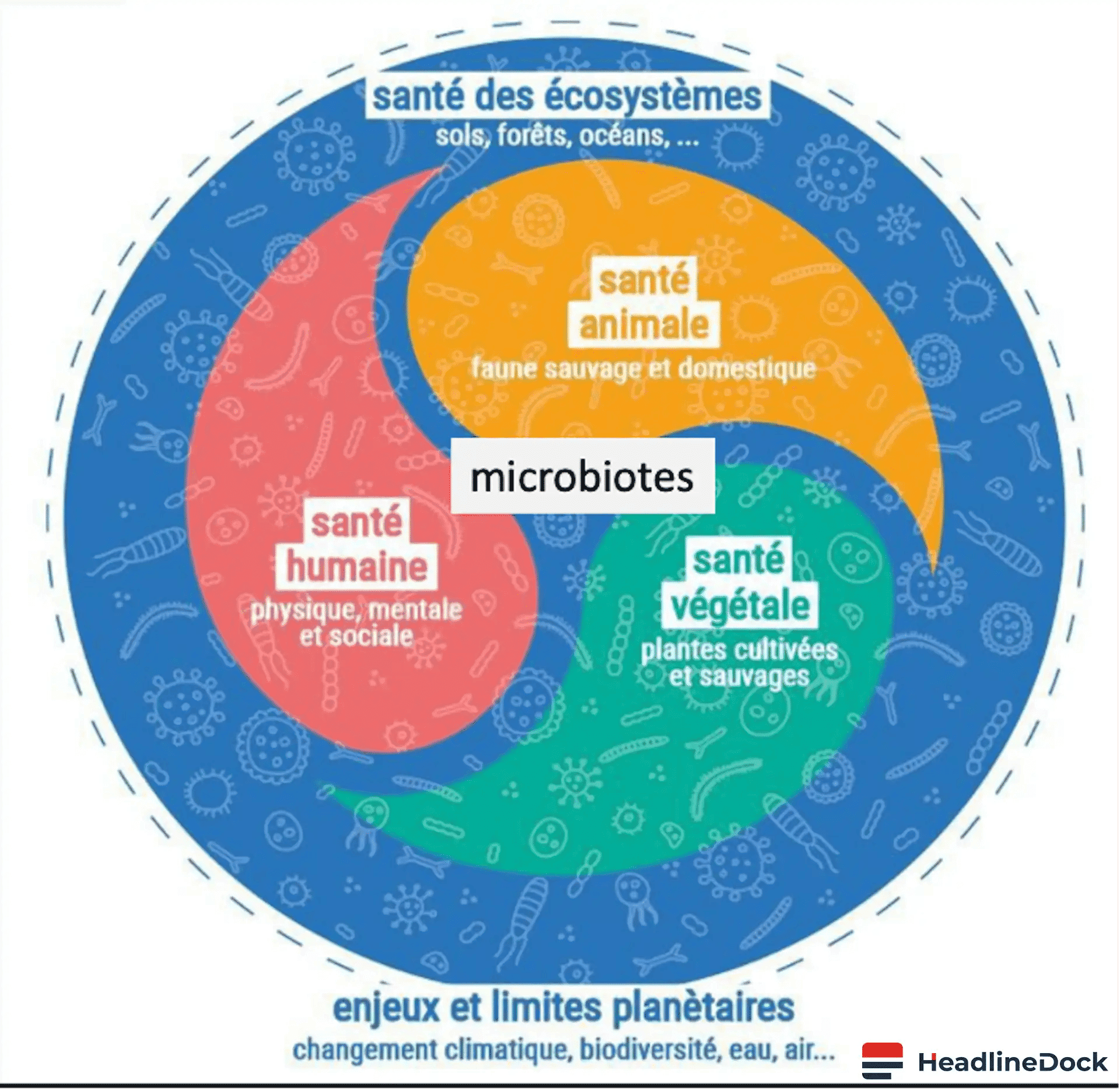
- •Human health is fundamentally tied to the health of ecosystems, known as the 'One Health' approach.
- •Modern intensive farming practices have significantly depleted microbial diversity in soil, reducing nutrient density.
- •Diets high in ultra-processed foods damage the gut microbiome, increasing vulnerability to chronic inflammatory diseases.
Our physical well-being is intrinsically linked to both our dietary habits and the specific methods used to cultivate our food. New research highlights a profound connection between the microbes found in soil, the plants we consume, and our own gut microbiotes. This scientific revelation suggests that it is time to fundamentally rethink our current agricultural and nutritional systems.
More than 2 billion people worldwide currently suffer from nutrition-related chronic conditions, such as diabetes, cardiovascular diseases, cancer, and neurodegenerative disorders. Specifically in France, approximately 14.2 million individuals, or roughly 21% of the population, were receiving long-term care for such illnesses in 2022. These health issues are on the rise, even affecting individuals under 45 years of age.
The Critical Link Between Soil Health and Gut Microbiotes
While genetics play a minor role, accounting for only about 20% of these chronic illnesses, environmental factors and personal nutrition are often the primary drivers. Our food systems also place an immense strain on the planet, responsible for 22% of greenhouse gas emissions and serving as a major contributor to biodiversity loss. Furthermore, agricultural soil quality is frequently deteriorating, becoming increasingly depleted of organic matter and essential biological activity.
The One Health approach addresses these issues by emphasizing that human health is inseparable from the well-being of animals and entire ecosystems. Central to this concept are gut microbiotes—complex communities of bacteria, fungi, and viruses. A balanced gut microbiome is vital for digestion, vitamin production, and immune system regulation. When this balance is disrupted, a condition known as dysbiosis, the risk of developing various chronic diseases significantly increases.
Restoring the Natural Balance
The connection continues deep beneath our feet. A single gram of fertile soil can harbor up to 10 billion microorganisms. These tiny entities are responsible for essential functions like soil fertility and plant disease regulation. Unfortunately, intensive agricultural practices, including deep tilling and the heavy use of synthetic fertilizers and pesticides, have severely reduced this microbial diversity. This leaves plants more dependent on chemical inputs and less nutrient-dense.
Modern Western diets further exacerbate these problems, with ultra-processed foods accounting for over 35% of daily caloric intake in some groups. These foods are typically lacking in the fiber necessary to feed beneficial gut bacteria. Additionally, chemical additives and excessive consumption of meat from intensive farming operations can alter the balance of our internal microbial communities, promoting inflammation rather than protecting health.
To reverse these trends, we must embrace regenerative agriculture, which restores life to the soil through crop diversification and reduced chemical reliance. Similarly, reconnecting livestock to healthy grazing land can improve product quality. Ultimately, achieving better health requires a holistic view that acknowledges our total dependence on the vitality of the natural environment around us.