The High-Stakes Struggle of Big-Budget Film Investments in Indian Cinema
The Indian film industry is witnessing a significant market correction as mega-projects struggle with recovering record-high budgets. With OTT platforms reducing acquisition payouts and audiences becoming more selective, producers are being forced to adopt greater financial discipline to ensure the sustainability of large-scale cinematic ventures.
Highlights
- •Big-budget film investments are facing difficulty as the industry undergoes a major financial market correction.
- •Streaming platforms have significantly reduced acquisition budgets, disrupting traditional revenue models for major theatrical releases.
- •Projects like 'Varanasi' and 'Ramayana' face immense pressure to recover massive production costs through unpredictable theatrical returns.
- •Experts advocate for stricter financial discipline, improved release planning, and a focus on compelling storytelling over mere spectacle.
The Indian film industry is currently facing a significant challenge as big-budget film investments become increasingly difficult to recover. High-profile projects, which were once considered guaranteed successes, are now struggling to achieve profitability due to a major shift in the financial landscape. Historically, producers relied on a mix of theatrical revenue, satellite rights, music sales, and overseas distribution. Today, the business model for these mega-productions is undergoing a harsh market correction.
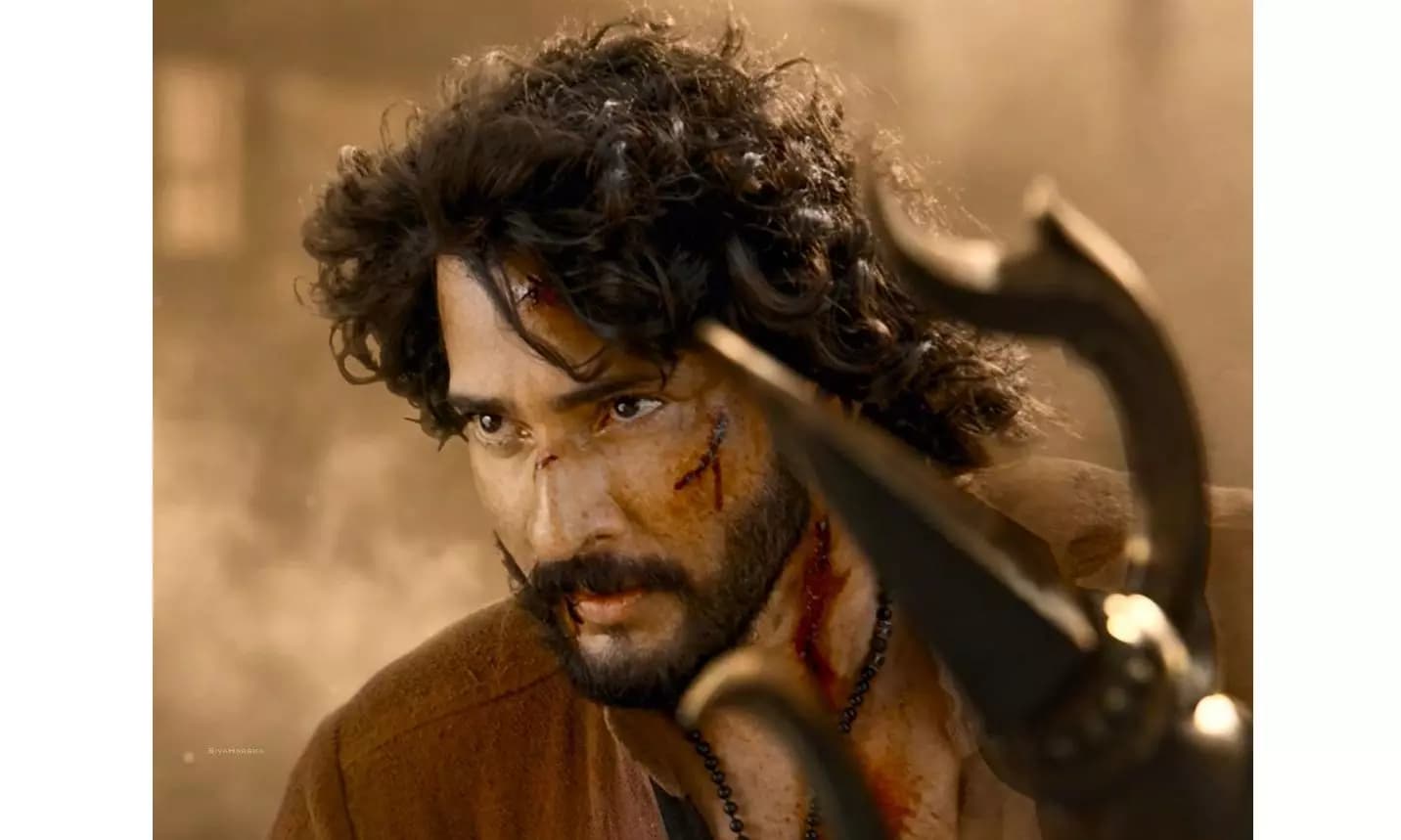
One of the primary factors contributing to this trend is the drastic change in the OTT landscape. Major streaming platforms have significantly reduced their budgets for acquiring theatrical releases, sometimes cutting these expenditures by half. Furthermore, the bargaining power of producers has waned as digital platforms are now more coordinated in their acquisition strategies, preventing producers from inflating prices through competitive bidding. This shift has placed immense pressure on projects such as the upcoming mythological epic Varanasi, with a reported budget of Rs 1,200–1,400 crore, and the two-part Ramayana, which has an alleged budget of approximately Rs 4,000 crore.
Rethinking the Business Model for Big-Budget Film Investments
Industry experts suggest that the solution is not to abandon large-scale filmmaking but to implement strict financial discipline. Producers are being urged to focus on quality storytelling that justifies the grand scale, rather than relying on spectacle alone. There is a pressing need for a balanced approach to filmmaking, where the industry produces a mix of small, mid-sized, and massive projects, rather than crowding the release calendar with multiple high-cost films that eventually cannibalize each other's box office potential.
The dependency on theatrical performance has become more critical than ever before. Audiences are becoming increasingly selective, preferring films that offer a genuine communal experience worth leaving their homes for. Experts like Taran Adarsh emphasize that the industry must move away from the assumption that high production costs automatically equate to success. Instead, stakeholders need to focus on controlling expenses that are not visible on screen, considering profit-sharing models with top talent, and avoiding unnecessary clashes at the box office.
While some view the current situation as a crisis, others perceive it as a necessary evolution. The market is adjusting to a reality where streaming platforms pay for content based on its actual worth rather than at inflated premiums. To navigate this, the industry must recalibrate its expectations and ensure that big-budget film investments are backed by robust, audience-focused strategies. The focus moving forward will be on balancing artistic ambition with fiscal responsibility to keep the cinematic experience sustainable for years to come.