The Growing Political Influence of Friedrich Merz in Modern Germany
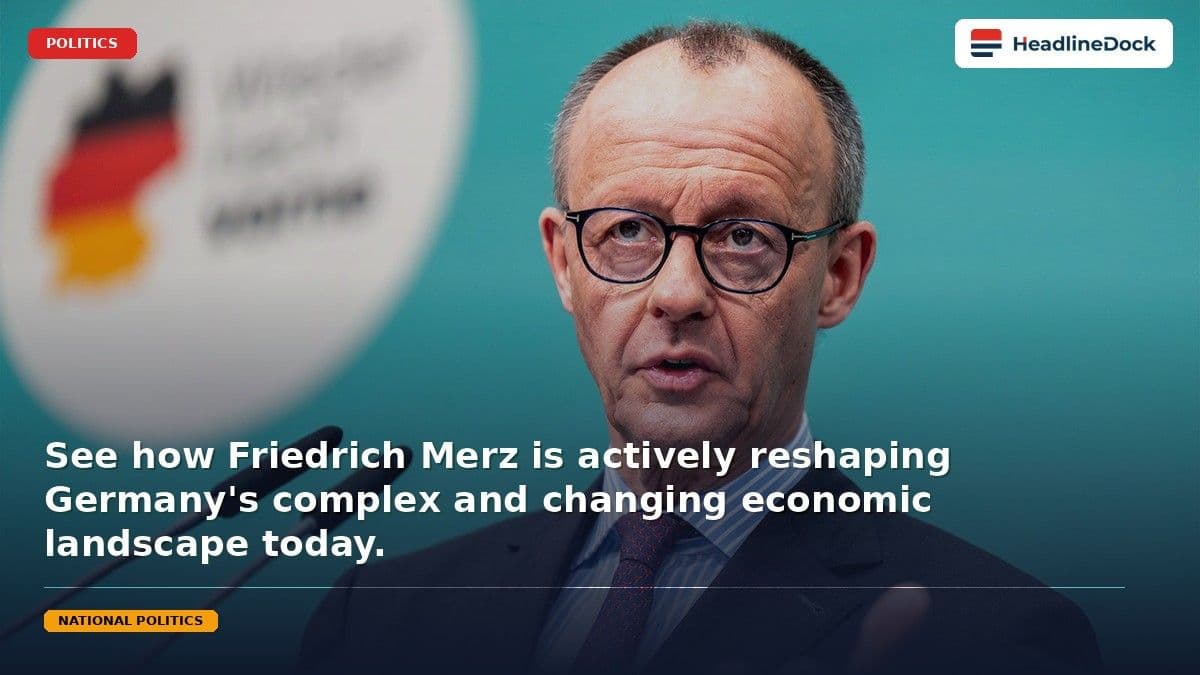
Friedrich Merz continues to play a significant role in shaping Germany's political and economic trajectory. His emphasis on market-oriented policies has sparked a national debate about the future of the coalition government and the country's approach to sustaining industrial growth while managing social equity.
KEY TAKEAWAYS
1 MIN READ- Friedrich Merz remains a central and polarizing figure in the current German political landscape.
- Observers are closely watching how his neoliberal-aligned economic strategies impact the coalition's governance.
- Debate persists over whether his focus on market-oriented growth will successfully boost industrial competitiveness.
- Critics highlight the potential for increased social inequality if his economic policies proceed without sufficient social protection.
As the political landscape in Germany continues to evolve, the influence and strategies of Friedrich Merz remain a focal point of intense national debate. Observers are closely monitoring how his approach to governance and economic policy, often described as a modernized form of neoliberalism, is shaping the coalition's direction in the current fiscal year.
The role of Friedrich Merz within the broader structure of German governance has prompted discussions regarding the future of the nation’s economic framework. Analysts suggest that the ongoing policy shifts represent a significant transition for the country, as leaders attempt to balance traditional conservative values with the demands of a rapidly changing global economy. These developments are not only impacting domestic legislation but are also influencing international perceptions of Germany's economic stability.
Evaluating the Policy Direction of Friedrich Merz
Central to the current discourse is the question of how Friedrich Merz plans to navigate the complexities of modern governance. His supporters argue that his focus on market-oriented solutions is essential for fostering innovation and maintaining industrial competitiveness in Europe. Conversely, critics express concerns that these neoliberal tendencies could exacerbate social inequalities if not carefully managed through robust social safety nets.
Furthermore, the coalition's ongoing deliberations reflect a deeper tension between maintaining fiscal discipline and addressing the immediate needs of the public. Friedrich Merz continues to advocate for policies that prioritize economic growth, which he maintains is the most sustainable path to long-term prosperity. As Germany moves forward, the success of these strategies will likely hinge on the ability of political leaders to build consensus among a diverse and often divided electorate.
Ultimately, the impact of Friedrich Merz on the national stage extends beyond individual policy decisions. His leadership style and commitment to specific ideological principles are effectively redefining the role of his party and the coalition as a whole. Whether this approach leads to a new era of economic stability or creates further political friction remains a central question for voters and policy analysts alike as the year progresses.