The Global Deficit: Why True Political Leadership Is Currently Lacking
A critical review of contemporary political leadership, highlighting a perceived global deficit in statesmanship and visionary governance among world leaders, with few exceptions across the current international landscape as geopolitical and economic challenges continue to escalate.

In the contemporary landscape of global governance, the search for true political leadership has become increasingly difficult. As international geopolitical and economic crises mount, many observers note a concerning deficit in statesmanship among those currently holding the highest offices in major world powers. This decline in visionary leadership suggests a period where mediocrity has become the norm rather than the exception.
The Declining State of Global Political Leadership
The standard for statesmanship appears to have dropped significantly. Historically, leaders were measured by their ability to provide guidance, command respect, and articulate a clear vision for the future of their nations and the global community. Today, however, the rhetoric from heads of state in some of the oldest democracies often lacks the gravity and intellectual depth once associated with those positions. Where students might have previously analyzed famous speeches from figures such as Abraham Lincoln or John F. Kennedy, modern political discourse often relies on superficiality, lacking the stature required for long-term global progress.
Finding a leader worthy of genuine admiration is a challenging exercise. Among the few exceptions, President Luiz Inácio Lula da Silva of Brazil is frequently cited for his ability to maintain charisma while championing values that resonate with the Global South. Similarly, Prime Minister Anwar Ibrahim of Malaysia is noted for his resilience and conviction, having navigated personal and political adversity to ascend to leadership with a demeanor that remains gentle and composed.
Conversely, other potential leaders have seen their standing diminish when their actions fail to match their rhetoric. For example, while Mark Carney initially drew praise for his address at the World Economic Forum in Davos, his subsequent policy positions caused him to lose support among those seeking a new type of statesman.
Challenges and Missed Opportunities
Reflecting on the recent past, figures such as Barack Obama, Manmohan Singh, Angela Merkel, and Shinzo Abe were recognized as leaders who possessed both personal integrity and a broader vision. The current European political sphere, in particular, is often described as a collection of short-term maneuvers, contrasting sharply with the era of leaders who defined the latter half of the 20th century. Icons such as Jawaharlal Nehru, Indira Gandhi, Nelson Mandela, and Lee Kuan Yew were influential because they understood their nation's place in the global order.
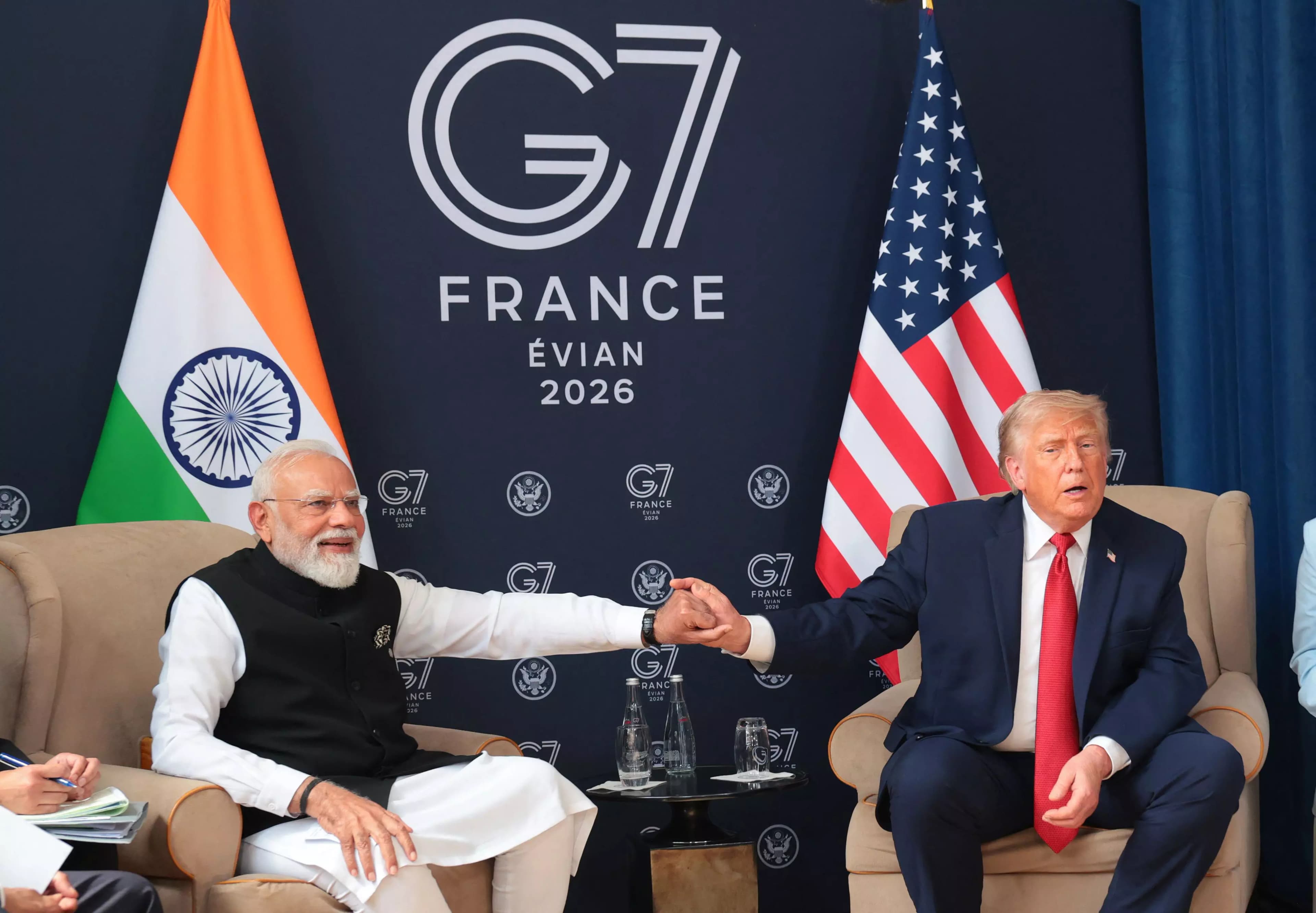
Current geopolitical tensions require a level of diplomacy that many leaders have failed to demonstrate. Prime Minister Narendra Modi held opportunities to position himself as a global peacemaker through statements regarding international conflict and summits focused on the Global South. However, translating these clever diplomatic initiatives into sustained, high-impact results remains a significant challenge, constrained by domestic political complexities and the fiscal requirements of global influence. Currently, few world leaders have successfully leveraged global crises as a catalyst to ascend to the status of true statesmanship.
,curated_key_highlights:[