The Founding Choice: Why the US Separated Religion and Government
This article examines the historical context of the separation of religion and government in the United States. It highlights how the founders intentionally moved away from European colonial practices of established religion to ensure a durable and neutral republic.
Highlights
- •The debate over the United States' status as a Christian nation remains contentious in 2026.
- •European colonization in the Americas was historically linked to the expansion of Christianity through the Doctrine of Discovery.
- •Early colonial governments frequently taxed residents to support specific churches, such as the Church of England or Congregationalist traditions.
- •The U.S. Constitution and the First Amendment established a clear precedent for the separation of religion and government to maintain political stability.
The debate over whether the United States was established as a Christian nation remains a prominent topic in modern discourse. On May 17, 2026, political figures at a prayer rally on the National Mall, including House Speaker Mike Johnson, emphasized a vision of the country as a nation defined by religious devotion. However, the separation of religion and government represents a foundational choice that contradicts centuries of European colonial practice.
The Evolution of Religious Policy in Early America
To understand the intent of the nation’s founders, one must examine the history of European colonization. Early explorers, such as Christopher Columbus, were driven by the expansion of Christendom. The 1493 Doctrine of Discovery provided a justification for European monarchs to claim territories inhabited by non-Christians. This religious imperative was later transformed by the Protestant Reformation, which reshaped the political and religious landscape of Europe.
Following the break of King Henry VIII with the Roman Catholic Church, England established an independent national church. This shift towards the Church of England aimed to consolidate royal authority and promote Protestantism. When English colonists moved to North America, they often carried these traditions with them. Early colonial charters for settlements like Jamestown explicitly aimed to convert Indigenous populations to the Christian faith. Furthermore, figures like John Winthrop, leader of the Massachusetts Bay colony, frequently advocated for a society where church and state were deeply interconnected.
The Shift Toward Separation
Despite these colonial precedents, the approach to governance changed significantly during the American Revolution. Many leaders argued that a functional republic required political and religious institutions to operate in separate spheres. A critical development in this shift was Thomas Jefferson’s 1777 drafting of the Statute for Religious Freedom, which was enacted in Virginia in 1786. This landmark legislation sought to remove religious qualifications from public service and eliminate tax-funded support for specific churches.
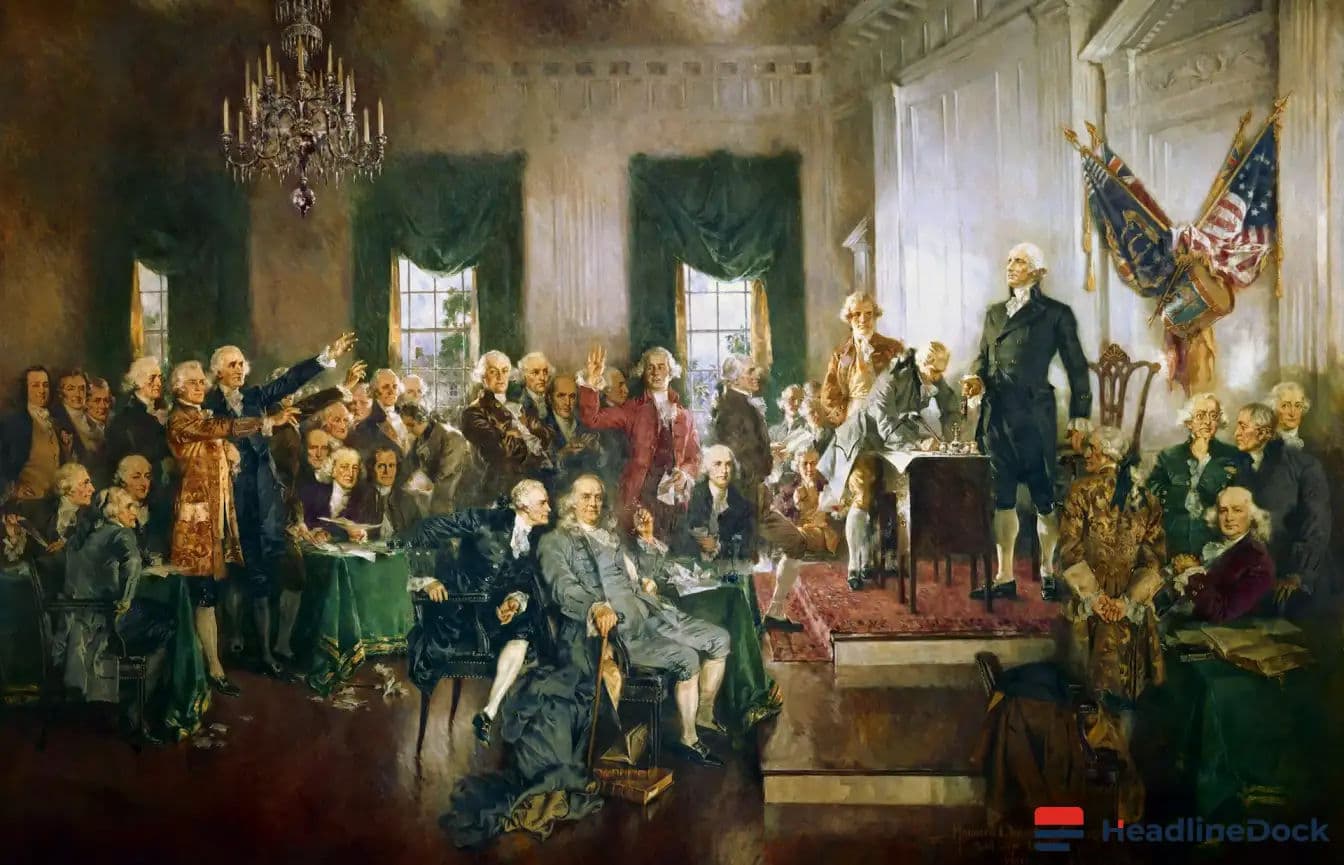
The United States Constitution further codified this direction. Article 6 banned religious tests for public office, while the First Amendment, ratified in 1791, prohibited the federal government from establishing any religion. Although the founders held diverse personal views on faith, they collectively recognized that the stability of the new nation depended on maintaining this divide. This move away from the established practices of the colonial era stands as one of the most significant and radical achievements of the revolutionary period, ensuring that the government remained neutral regarding religious belief.