The Evolution of Indian Menswear: Why the Bandhgala is the New Tuxedo
The modern Indian menswear market is shifting toward versatile, experimental fashion, with the bandhgala emerging as a globally recognized formal essential. Icons like Diljit Dosanjh and Ram Charan are leading this trend, proving that Indian craftsmanship deserves significant international recognition and respect.
Highlights
- •Indian men are increasingly favoring versatile, experimental wardrobes over rigid, occasion-specific clothing.
- •Geography no longer limits fashion tastes, with tier-two cities showing strong engagement with global design trends.
- •The bandhgala is gaining prominence as a premier formalwear choice, rivaling the global tuxedo for international red-carpet presence.
- •Modern style icons like Diljit Dosanjh and Ram Charan are successfully elevating Indian silhouettes on the global stage.
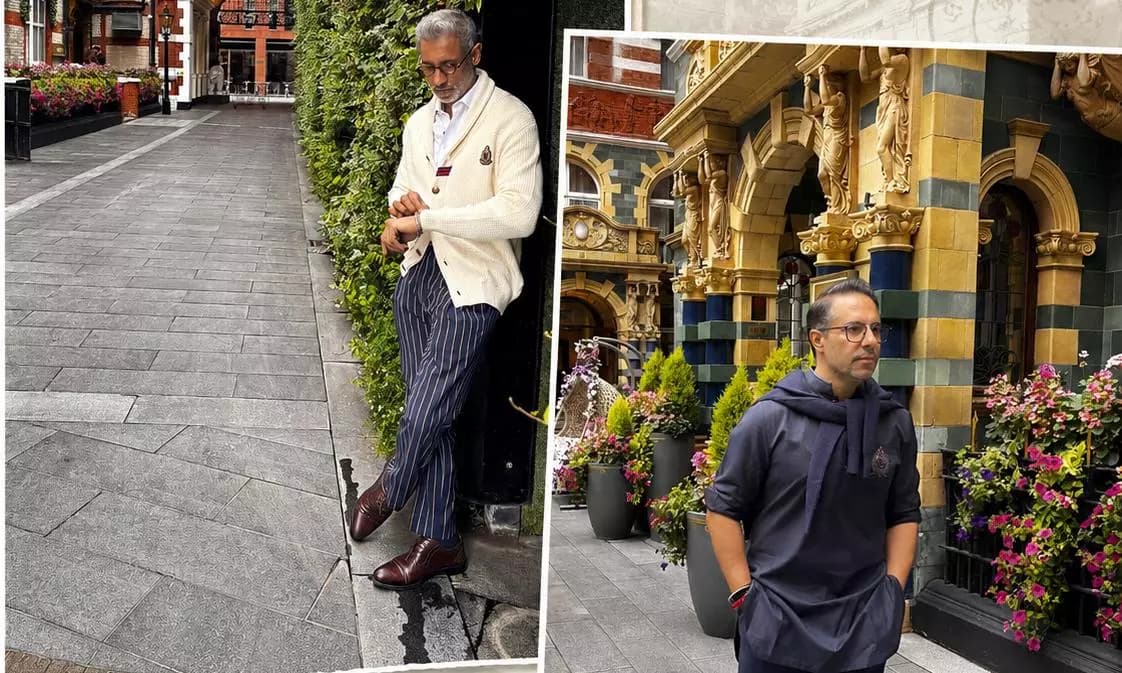
The landscape of Indian menswear has undergone a significant transformation over the last decade. Where men once shared limited cupboard space with partners, there is now a growing demand for comprehensive, versatile wardrobes that blend contemporary, Indo-western, and traditional Indian aesthetics. Modern consumers are increasingly seeking pieces that offer fluid styling, allowing them to mix and match textures and silhouettes for various occasions rather than investing in clothing restricted to isolated events.
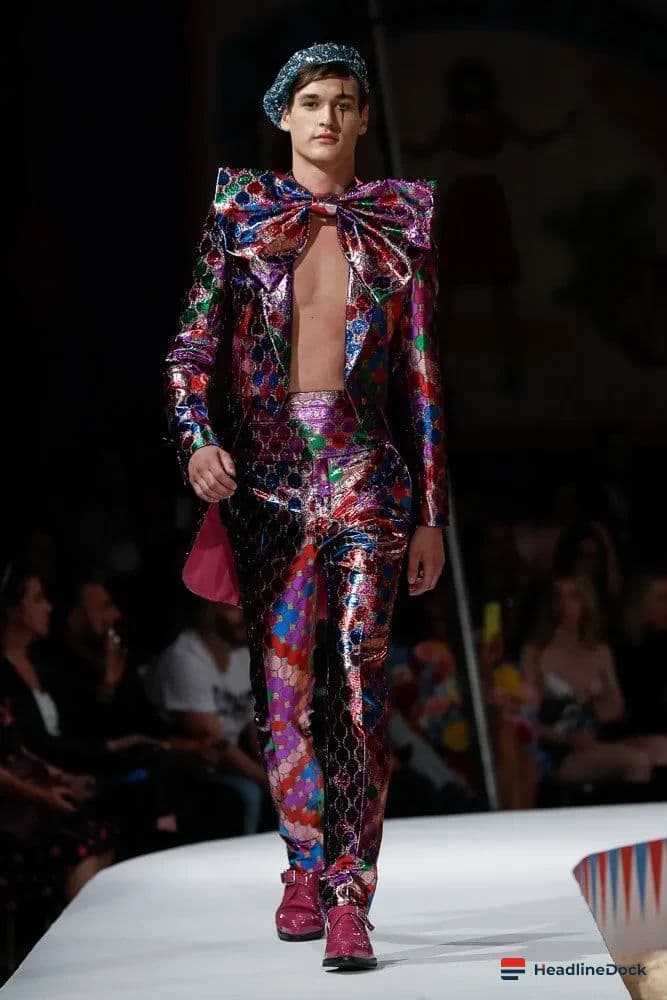
This evolution highlights that Indian menswear has become remarkably experimental. Contrary to outdated myths, Indian men are demonstrating a greater willingness to embrace softer masculinity and expressive silhouettes than their international counterparts. The industry has moved past the reliance on global brands for daily wear and local designers exclusively for weddings, with labels like S&N successfully bridging the gap by infusing heritage craftsmanship into diverse categories.
The Evolution of Modern Indian Menswear Styles
Geography no longer dictates fashion choices in the country. Entrepreneurs and young professionals in tier-two cities, such as Jaipur, Chandigarh, and Chennai, consume trends with the same global ambition as those in metropolitan hubs. Designers have noted that when high-quality, avant-garde products—such as digitally printed silk shirts—are presented, they resonate across diverse regions, proving that the modern customer is defined by mindset rather than location.
The post-pandemic era has further solidified these shifts, with a sustained push toward expanding categories and introducing fresh silhouettes. Currently, the industry is favoring softer palettes, including dusty rose, fawn, light beige, moss green, and various shades of grey. Furthermore, the once-prevalent reliance on oversized sherwanis is fading, replaced by a desire for better-tailored and more authentic forms of expression.
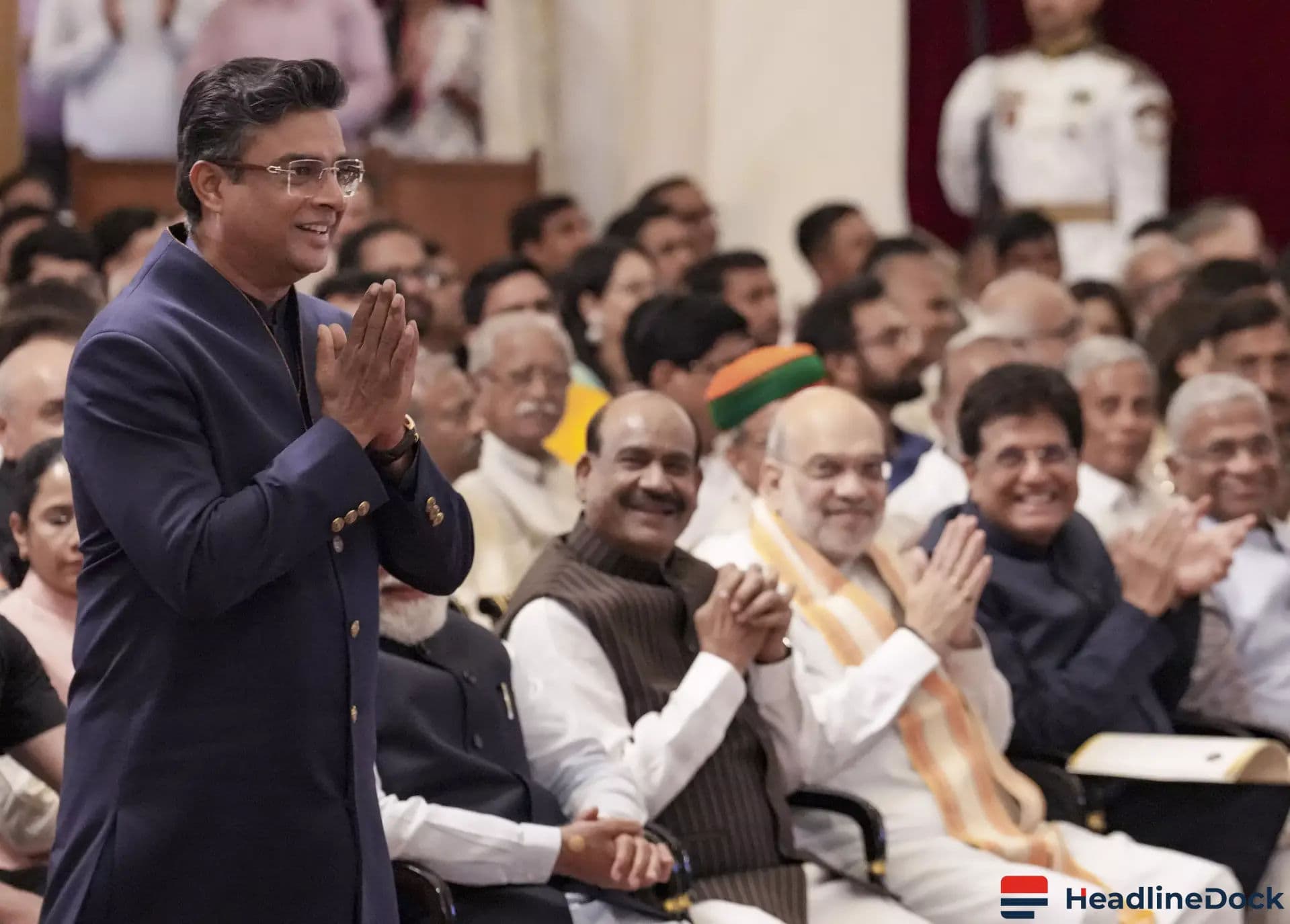
Several influential figures have become synonymous with this refined Indian menswear aesthetic. Diljit Dosanjh is frequently cited for his ability to carry high-street fashion, tuxedos, and bandhgalas with equal authenticity, rooted deeply in his personality. Similarly, Ram Charan has made global statements by opting for sartorial Indian attire on international stages. His choice of a well-tailored, closed-neck bandhgala—such as the one worn at the Oscars—serves as a strong argument for the global potential of Indian formalwear.
Ultimately, the bandhgala has emerged as the definitive wardrobe essential for the modern Indian man, serving as a powerful alternative to the western tuxedo. As Gen Z continues to prioritize authenticity over fleeting trends, the future of fashion in the country remains focused on building complete, expressive wardrobes that honor traditional roots while embracing modern comfort and global influence.