The Academic Boycott Against Israel: Analyzing Trends and Institutional Impacts
The academic boycott against Israel remains a minority trend in Europe, involving fewer than 6% of universities. The movement raises critical questions regarding the balance between institutional moral responsibility, academic freedom, and the long-term impact of politicizing higher education systems.
Highlights
- •The academic boycott of Israel is a minority movement, impacting less than 6% of European universities.
- •Proponents view the boycott as a moral necessity, while critics argue it violates academic freedom and scientific neutrality.
- •Institutional neutrality is becoming a focal point for universities seeking to protect their role in objective research.
- •Economic and professional costs, including loss of funding and partnerships, are emerging for institutions that adopt boycott policies.
The rise of the academic boycott against Israel has sparked intense global debate, yet it remains a minority position within European higher education. As institutions grapple with the moral implications of the conflict in Gaza, the emergence of these new academic norms challenges long-standing principles of institutional neutrality and the autonomy of scientific research.
Understanding the Scope of the Academic Boycott
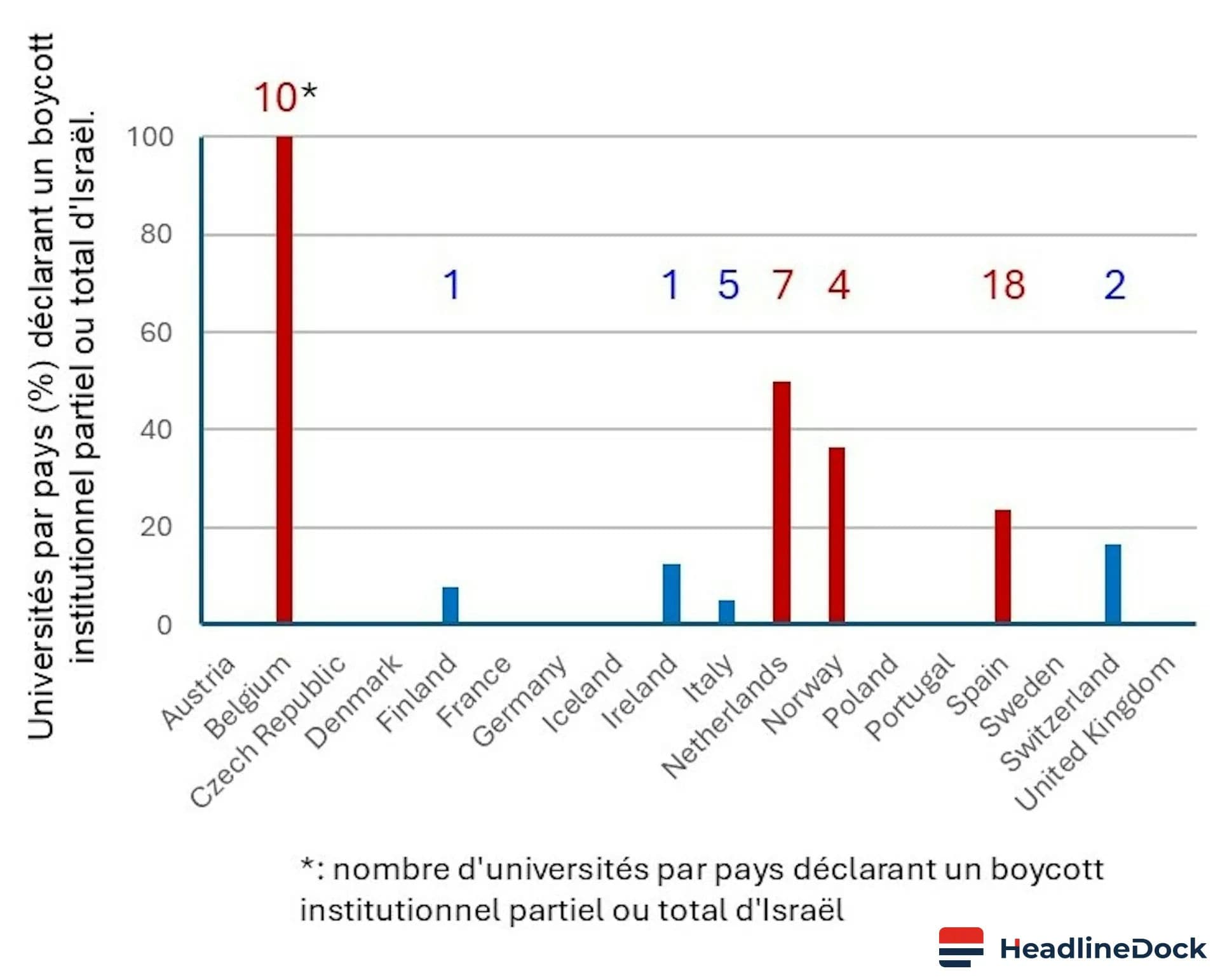
While movements calling for a severing of ties with Israeli universities have gained momentum following 2024 protests, the actual impact is limited. As of August 2025, only 48 higher education institutions across Europe have adopted some form of academic boycott against Israel. This figure accounts for less than 6% of the approximately 900 institutions recognized by the European University Association. The prevalence of these policies varies significantly by region, with countries like Belgium, the Netherlands, Norway, and Spain showing higher levels of engagement in these actions compared to their neighbors.
Advocates for these boycotts, often aligned with the BDS movement and the PACBI campaign, argue that such measures represent a moral imperative in the face of ongoing human rights violations. They contend that universities should not remain neutral when faced with significant geopolitical crises. This perspective emphasizes a shift toward moral responsibility as a guiding principle for academic institutions, moving beyond the traditional detachment that has historically defined the academic community.
Impact on Academic Freedom and Neutrality
Conversely, many scholars and leading international bodies warn that the academic boycott undermines the core foundations of scientific progress. The traditional concept of academic freedom, as articulated by the American Association of University Professors, suggests that neutrality is essential for intellectual growth and global collaboration. By becoming active political participants, universities risk compromising their credibility as spaces for objective, evidence-based inquiry. Concerns persist that such politicization could lead to a decline in international scientific cooperation, which is essential for innovation.
The financial and professional repercussions for institutions adopting these boycotts are also becoming apparent. Some universities have reported a decrease in research funding, lost partnerships, and limitations on international collaboration. Furthermore, the push toward activism has prompted many institutions—including major universities in the United States and France—to formalize policies of institutional restraint. By adopting doctrines of institutional neutrality, these schools aim to preserve their core mission of fostering diverse, pluralistic debate. Ultimately, the ongoing tension between political activism and academic detachment signifies a major, evolving challenge for the future role of universities on the global stage.