Telangana Requests Maharashtra to Raise Tummidihatti Barrage
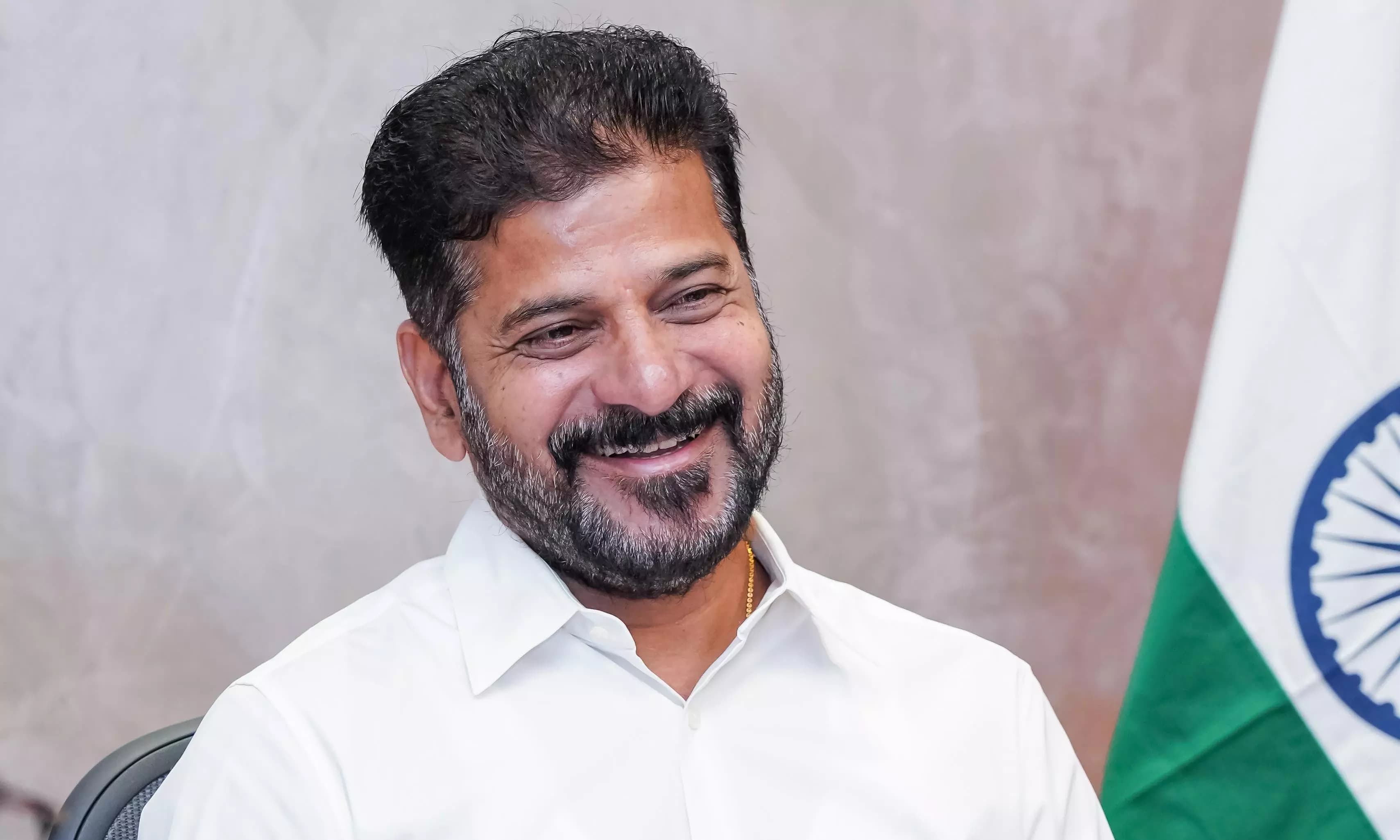
The Chief Minister of Telangana, A. Revanth Reddy, has requested Maharashtra to consider raising the Tummidihatti Barrage height. This move is crucial for addressing North Telangana's long-term water needs by enhancing irrigation and drinking supplies.
Highlights
- •Telangana proposes raising Tummidihatti Barrage's Full Reservoir Level (FRL) from 148 meters
- •The initiative aims to reduce dependency on expensive lift irrigation systems, cutting operational costs
- •The revised proposal is vital for Adilabad, Nizamabad, Karimnagar, and Medak districts' water needs
- •Collaboration with Maharashtra is essential for fast-tracking the Pranahita-Chevella project
HYDERABAD: Chief Minister A. Revanth Reddy has directed the state government to approach Maharashtra's Devendra Fadnavis for a higher Tummidihatti Barrage, aimed at addressing long-term water needs of North Telangana.
The proposed increase in the barrage height from 148 meters to a slightly elevated level is crucial. A decision on this key infrastructure project will significantly ease irrigation and drinking water challenges in Adilabad, Nizamabad, Karimnagar, and Medak districts.
Key Project Details
The Tummidihatti Barrage forms an integral part of the Dr. B.R. Ambedkar Pranahita-Chevella Sujala Sravanthi Project. Maharashtra's previous concurrence on a Full Reservoir Level (FRL) at 148 meters in August 2016 was based on initial expert reviews. However, Telangana's latest evaluations indicate the need for a higher level to meet long-term demands.
According to Chief Minister Revanth Reddy, increasing the barrage height from the proposed 148 meters would enable water flows through gravity without relying on costly lift irrigation systems, substantially reducing operational expenses. This initiative reflects Telangana's commitment to sustainable water management.
Revant also assured Maharashtra of minimal impacts if any increase in the Barrage height is approved. The government remains optimistic about this collaborative approach's success for fast-tracking the Pranahita-Chevella project and ensuring a sufficient water supply for agriculture and domestic use.