Telangana Issues Health Advisory as Region Braces for Upcoming Rainfall
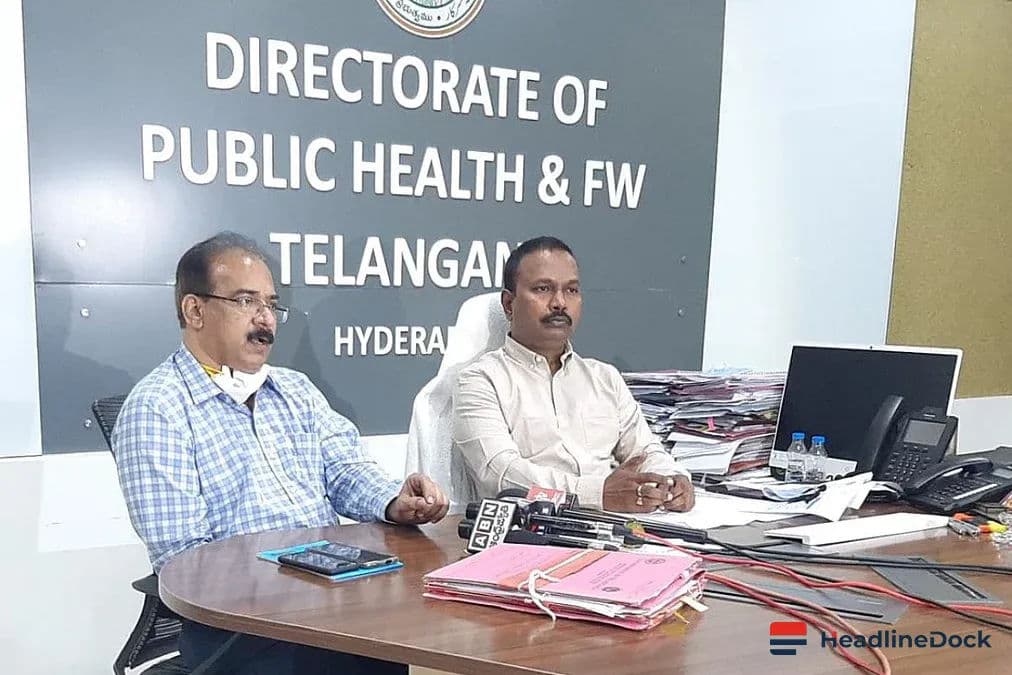
In response to IMD rainfall forecasts, the Director of Public Health in Telangana has issued a statewide advisory. Citizens are urged to implement preventive measures against vector-borne, water-borne, and airborne diseases as the region prepares for changing weather conditions.
Highlights
- •The Director of Public Health has issued a health advisory for Telangana due to forecast rainfall.
- •Residents are urged to take measures against malaria, dengue, and chikungunya by eliminating breeding sites.
- •Public guidelines include consuming boiled water and practicing hygiene to prevent water-borne and viral illnesses.
- •The government has stocked essential medicines and ORS with frontline health workers for emergency response.
The Director of Public Health has officially issued a critical advisory as Telangana prepares for a week of anticipated rainfall. Following a forecast from the India Meteorological Department (IMD), Hyderabad, which predicts light to moderate showers across the region, authorities are emphasizing the importance of proactive health measures.
The combination of cooler temperatures and heightened humidity often creates a conducive environment for various seasonal illnesses. Health experts are particularly concerned about the potential surge in vector-borne, water-borne, and airborne infections. Maintaining vigilance is essential during this shift in weather conditions to protect public well-being.
Preventing Seasonal Health Risks in Telangana
To combat the spread of mosquito-borne illnesses like malaria, dengue, and chikungunya, residents are strongly advised to take preventive actions. Essential measures include the installation of mosquito screens, the consistent use of nets for beds and cribs, and the application of effective repellents. Furthermore, the advisory stresses the importance of eliminating potential mosquito breeding grounds. This includes maintaining proper drainage systems, ensuring septic tanks are securely covered with mesh, and adhering to a designated Dry Day every Friday.
Beyond vector-borne threats, citizens must be wary of water-borne infections such as acute gastroenteritis, jaundice, and typhoid. Health officials urge the public to prioritize consuming boiled or properly filtered water. Maintaining rigorous hand hygiene and avoiding the consumption of unhygienic food are also vital steps in preventing these illnesses.
Management of Airborne Infections and Emergency Procedures
The risk of airborne infections, including various forms of viral fever and influenza, increases significantly during wet weather. To mitigate these risks, the advisory encourages individuals to minimize close contact with those who are already sick, sanitize their hands frequently, and ensure their mouths and noses are covered when sneezing or coughing.
Should any individual exhibit symptoms related to the flu, they are urged to seek medical evaluation at the nearest government healthcare facility without delay. In the event of a medical emergency, citizens should immediately contact the 108 ambulance service. To ensure that the public receives timely and effective assistance, the government has proactively distributed essential medicines, IV fluids, and ORS sachets to ANMs, ASHAs, and Anganwadi workers stationed throughout the state.