Sustainability and Authenticity Reshaping India Ethnic Wear Market Trends
The Indian ethnic wear market is shifting toward authenticity and craftsmanship. Legacy brands are integrating modern technology to manage operations while preserving traditional weaving techniques, successfully meeting the demands of informed consumers who value quality, provenance, and sustainable luxury in their fashion investments.
Highlights
- •Consumers are prioritizing provenance and craftsmanship over fast-fashion trends in ethnic wear.
- •Legacy brands are leveraging technology like ERP and WhatsApp for inventory management and sales.
- •Expanding retail operations focus on maintaining a consistent customer experience across different geographic locations.
- •Sustainability and authenticity are identified as key drivers for the future of India's luxury textile sector.
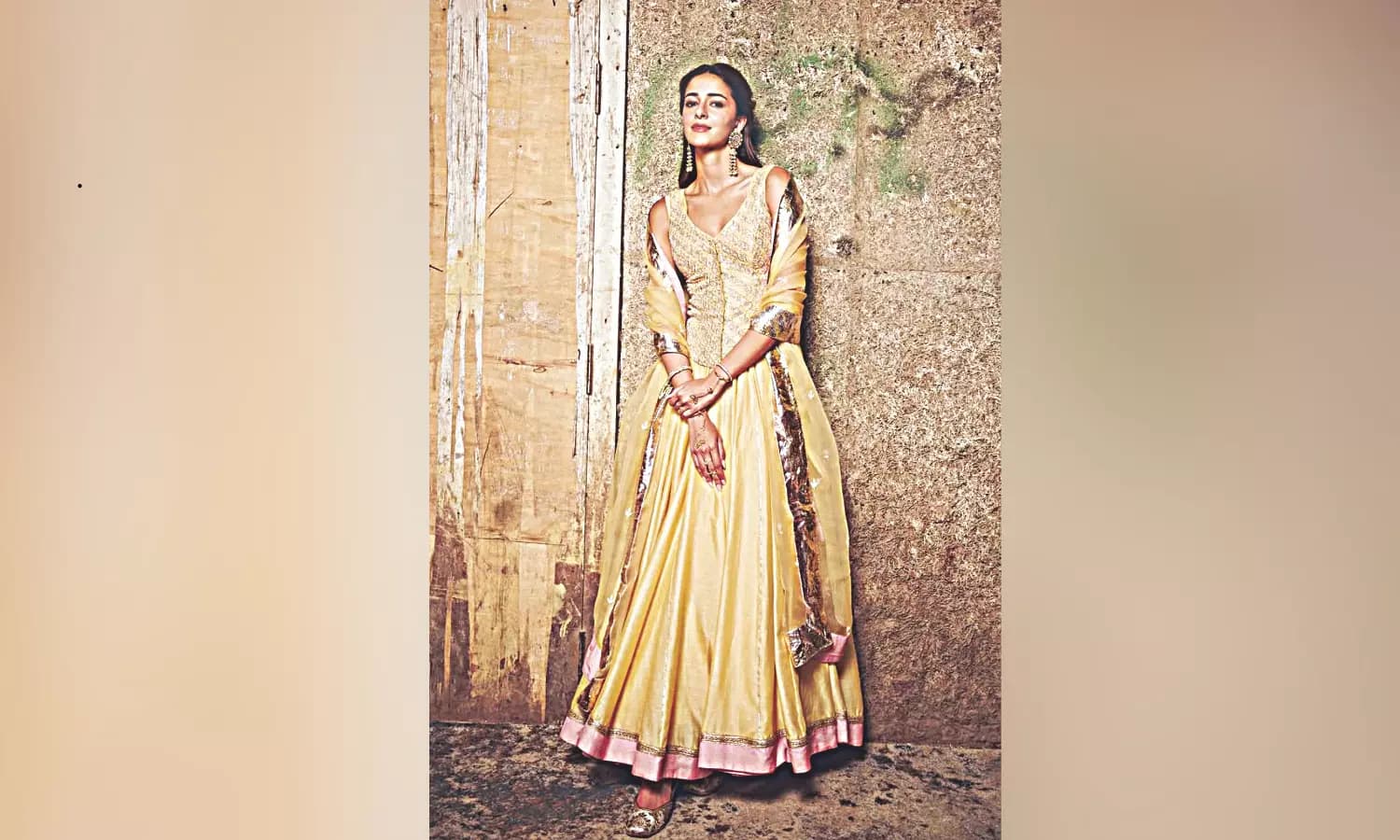
The India ethnic wear market is undergoing a significant transformation, driven by an increasing consumer focus on craftsmanship, provenance, and long-term value. As shoppers move away from fast-fashion trends, there is a clear shift toward authentic, high-quality textiles. Brands operating in this space are finding that legacy and transparency are essential for maintaining a competitive edge.
Evolving Trends in India Ethnic Wear Market
Recent shifts in the India ethnic wear market highlight that modern consumers, regardless of age or profession, are seeking a blend of tradition and aspiration. Growth in this sector is bolstered by rising disposable incomes and a renewed pride in handloom heritage. For established players like Mysore Saree Udyog, which has been active since 1982, this environment rewards brands that remain committed to the authenticity of their craft.
The industry is moving toward a future where provenance becomes the defining factor for luxury success. Consumers are becoming more educated about their purchases, often favoring items that carry deep cultural roots and verifiable quality. Successfully navigating this market requires brands to balance traditional weaving techniques with the aesthetic preferences of younger generations who seek contemporary silhouettes and versatile design options.
Operational Precision and Retail Expansion
As brands expand their footprint, achieving operational consistency is critical. Mysore Saree Udyog, for instance, has utilized its recent expansion into Hyderabad to refine a replicable retail model. By integrating robust inventory systems, ERP, and barcoding, the brand ensures that the customer experience remains uniform across various locations. This level of precision is necessary when managing thousands of complex stock-keeping units (SKUs) where each piece has its own unique story.
Technology also plays a pivotal role in maintaining customer relationships. Digital tools, including WhatsApp commerce and video shopping, have enabled brands to provide personalized styling advice and seamless transaction experiences. Despite these technological advancements, the core values—craftsmanship, authenticity, and personal connection—remain the highest priority for the discerning buyer. In the coming years, the India ethnic wear market will likely continue to reward entities that successfully combine heritage values with modern operational agility, ensuring that traditional garments remain relevant in a globalized luxury narrative.