Supreme Court to Hear Plea on Tamil Nadu Super Speciality Medical Seats
The Supreme Court has agreed to hear a plea challenging the surrender of 152 vacant in-service super speciality medical seats in Tamil Nadu to the All India Quota, stressing the importance of prioritizing in-service doctors for public healthcare improvement.
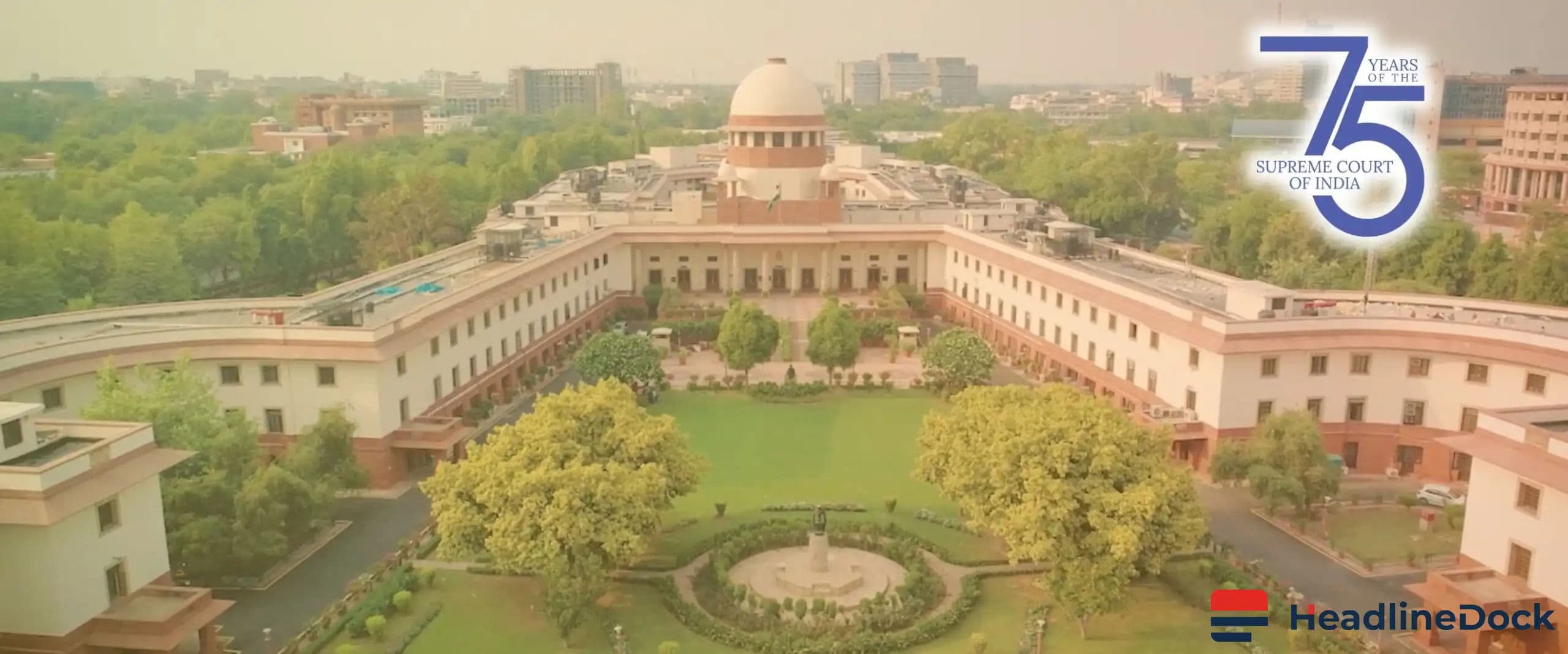
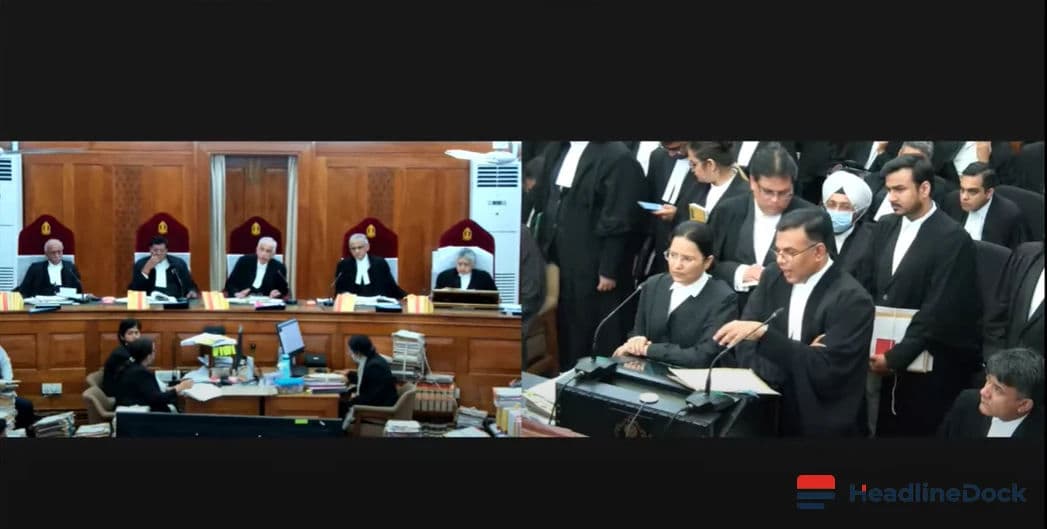
The Supreme Court of India has taken cognizance of a legal challenge regarding the potential transfer of 152 vacant in-service super speciality medical seats in Tamil Nadu to the national pool. This All India Quota (AIQ) conversion issue for the 2025-2026 academic year has prompted a judicial intervention, with a bench comprising Justices B V Nagarathna and Joymalya Bagchi issuing notices to the Union government and the state administration.
Judicial Scrutiny Over Super Speciality Seats
During the proceedings, the bench emphasized the critical importance of retaining medical talent within the public healthcare system. The judges noted that government-employed medical officers, who possess both clinical experience and academic qualifications, are uniquely positioned to serve the public health sector more effectively than those in private practice. By recognizing the in-service category as distinct from the general candidate pool, the court underscored the necessity of prioritizing these individuals for specialized training.
The petition, filed by the Tamil Nadu Medical Officers Association, requests that authorities be restrained from surrendering these vacant positions to the All India Quota until the second round of central counseling is concluded. The association argues that these seats, which were originally earmarked for in-service government doctors, should remain accessible to eligible state candidates to prevent a loss of specialized talent within the region.
Implications of the Counseling Process
The core of the dispute involves the 2025 NEET examination results. Out of 430 total super speciality seats allocated for the academic year, 215 were reserved for in-service government medical personnel. Records indicate that by the conclusion of the second counseling round, 152 of these designated seats remained vacant, sparking concerns about their potential reallocation. The petitioners are specifically seeking a provision that would allow in-service candidates to compete for these seats during a subsequent mop-up or third round of counseling, particularly if the percentile requirements are adjusted.
The legal challenge reflects broader concerns previously voiced by political figures in the state, including Udhayanidhi Stalin. In a formal communication to Chief Minister C Joseph Vijay, the demand was made to halt the surrender of these seats to the national quota, citing the potential impact on healthcare delivery within state-run institutions. With the court now scheduled to hear the matter again in July, the final distribution of these seats remains a focal point for medical education policy in Tamil Nadu, reflecting the ongoing tension between regional reservations and national centralized allotment systems.