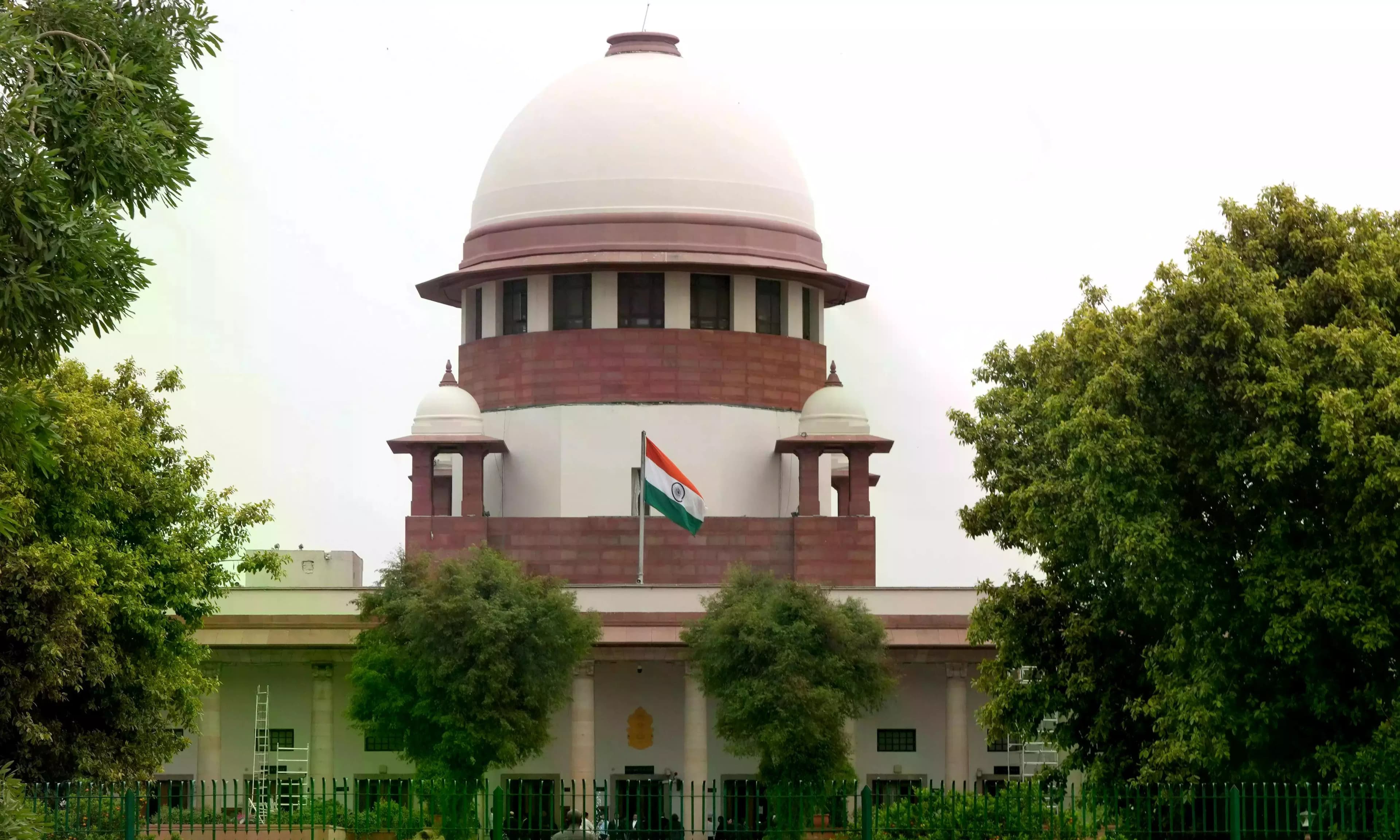
Supreme Court Rules the Right to Walk Is Now a Fundamental Right
The Supreme Court has officially recognized the right to walk as a fundamental right, mandating that authorities maintain safe footpaths. This ruling aims to reduce the alarming number of pedestrian deaths by shifting the focus of urban planning toward human-centric mobility over motorized transport.
Highlights
- •The Supreme Court has declared the right to walk on footpaths a fundamental right under the Constitution.
- •This ruling expands the interpretation of Article 19(1)(d) and Article 21 to include pedestrian safety.
- •Authorities now face an enforceable duty to maintain footpaths wherever roads exist.
- •More than 36,000 pedestrians die on Indian roads annually, prompting urgent calls for improved urban planning.
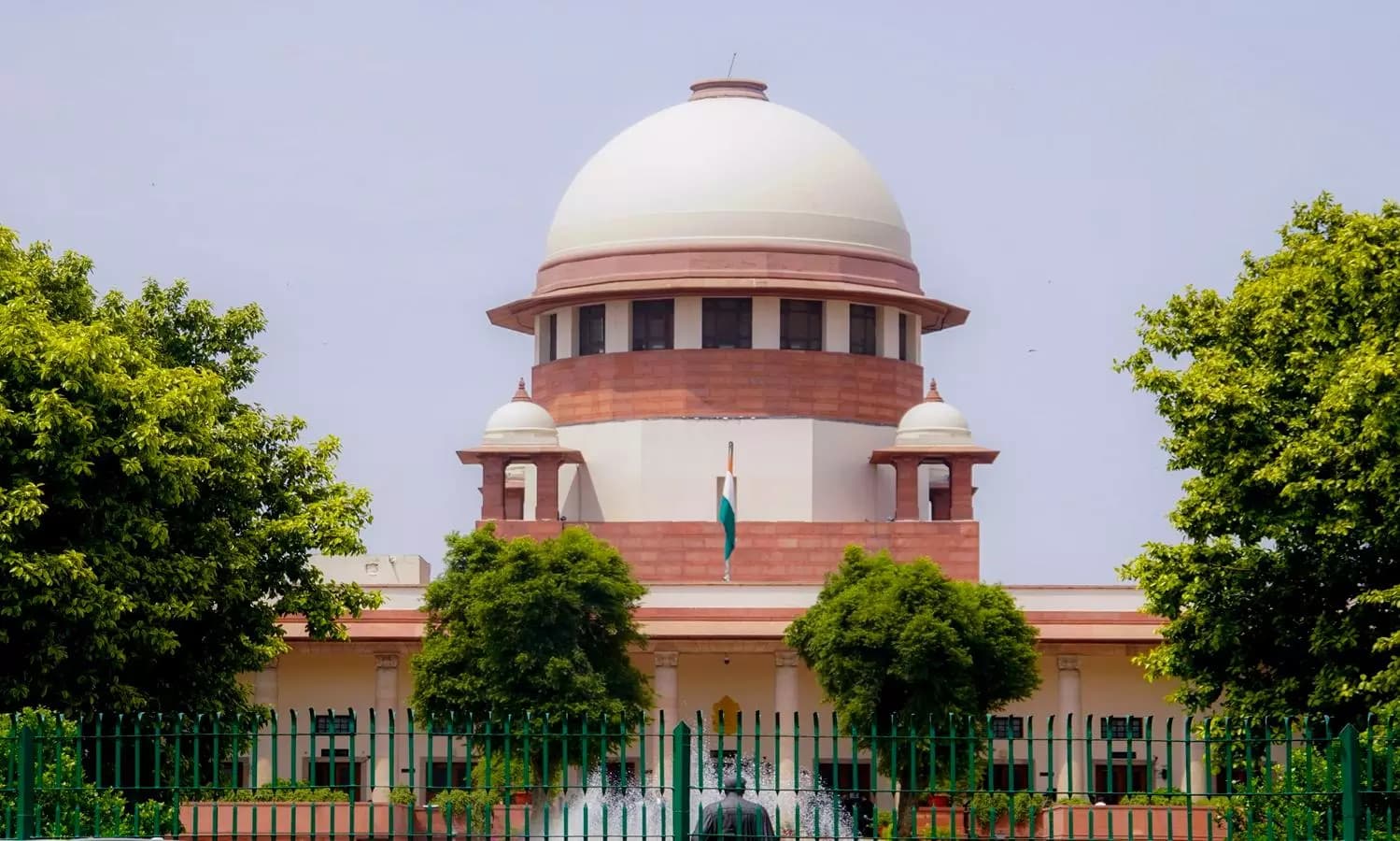
The Supreme Court has issued a landmark ruling establishing that the right to walk on designated footpaths is a fundamental right. By prioritizing pedestrian movement over motorized transit, the court aims to address significant gaps in urban planning and human rights. This judicial intervention serves as a critical directive for policymakers to ensure that walking is recognized as an essential freedom rather than an afterthought in city infrastructure.
Legal Expansion of Fundamental Rights
The court’s decision hinges on an expansive interpretation of Article 19(1)(d) of the Constitution, which guarantees the right to move freely throughout India. When read alongside Article 21, which safeguards the right to life and personal liberty, the judiciary determined that walking is a protected freedom. Consequently, the court asserted that if a road exists, there is an inherent and enforceable duty for authorities to provide, demarcate, and maintain a functional footpath for pedestrians.
This ruling emerged from a petition requesting enhanced compensation following the tragic accidental death of a five-year-old child who was walking to school. Highlighting the severe lack of pedestrian-friendly urban planning in India, the court criticized the Motor Vehicles Act, 1988, for its disproportionate focus on protecting vehicle owners rather than vulnerable road users. Statistics underscore the urgency of this mandate, with an alarming average of 100 pedestrian deaths occurring daily on Indian roads, totaling over 36,000 fatalities annually—a toll the court deemed unacceptable.
Impact on Future Urban Planning
The Supreme Court has issued a stern wake-up call to urban planners and lawmakers. The current state of infrastructure often favors private vehicle owners, frequently marginalizing those who rely on walking. To align with this new legal mandate, future development projects must prioritize optimizing resources to promote public transport and discourage excessive reliance on private cars. This shift requires not only the construction of new, pedestrian-safe roads but also the necessary redesigning of existing thoroughfares to accommodate those on foot.
While the court's expectations may present significant logistical challenges for current administrative frameworks, the ruling establishes a new baseline for governance. Policymakers are now tasked with integrating these pedestrian-centric requirements into their planning processes. By acknowledging the fundamental right to walk, the judiciary has set a transformative precedent that could reshape the daily commute and safety standards for citizens across the nation, ensuring that the needs of the majority are finally prioritized in the urban landscape.