Supreme Court Rejects Plea Challenging Private Medical College Fee Structures in India
The Supreme Court of India has refused to challenge the high tuition fees in private medical colleges, prioritizing the need to produce more doctors. The court noted that private institutions cannot be expected to match government fee structures, suggesting students utilize available scholarships.
Highlights
- •The Supreme Court dismissed a petition challenging high fees in Rajasthan private medical colleges.
- •Justices B V Nagarathna and Joymalya Bagchi stressed the urgent national need for more doctors.
- •Private institutions cannot be forced to match the fee structures of government medical colleges.
- •The court suggested that eligible students should utilize existing scholarship programs for financial assistance.
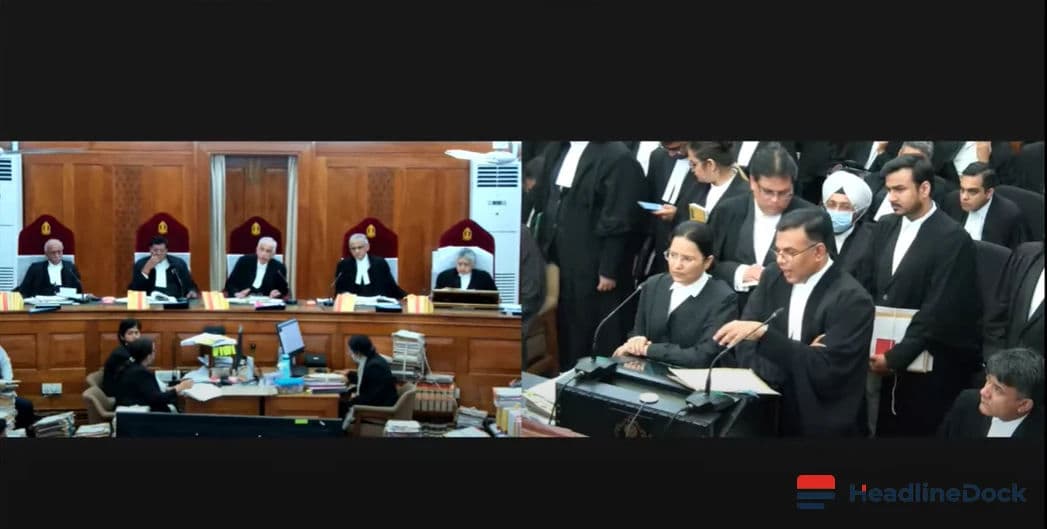
The Supreme Court of India has recently declined to intervene in a legal challenge concerning the tuition fee structure of private medical colleges in Rajasthan. Emphasizing a critical national need, the top court highlighted the urgent requirement for more doctors across the country.
A bench comprising Justices B V Nagarathna and Joymalya Bagchi presided over the hearing. The case involved an appeal against a decision by the Rajasthan High Court, which had previously dismissed a plea filed by a medical aspirant who participated in the NEET (UG)-2025 examination. The petitioner had argued that the annual tuition fees in these private institutions, reportedly ranging from Rs 18.90 lakh to Rs 25 lakh, were unaffordable for candidates falling under the Economically Weaker Section (EWS) category, which has an income ceiling of Rs 8 lakh.
Judicial Perspective on Medical Education Costs
During the legal proceedings, the Supreme Court clarified that it is not viable to demand that self-financing educational institutions charge tuition fees identical to those set by government-funded colleges. The bench noted that private institutions operate on different financial models, and it is unreasonable to force parity in fee structures between the two distinct sectors. While acknowledging the financial concerns of students, the court pointed out that various scholarship schemes are available to assist eligible candidates in managing their educational expenses.
The petitioner had contended that the fee regulatory committee holds a responsibility to establish a fee structure that is both rational and equitable, ensuring it remains commensurate with the financial constraints faced by EWS aspirants. Despite these arguments, the Supreme Court found no compelling grounds to overturn the high court's earlier ruling.
In its final order, the bench dismissed the special leave petition. While the legal challenge was rejected, the court did clarify that any underlying questions of law remain open. This decision underscores the judiciary's focus on balancing educational accessibility with the operational realities of private medical colleges, while prioritizing the overarching necessity to increase the nation's physician workforce.
Ultimately, the ruling reflects the broader challenges involved in medical education accessibility in India. As the country strives to expand its healthcare infrastructure, the debate over balancing institutional autonomy and student affordability remains a significant issue for regulators and the legal system alike.