Supreme Court Questions CBSE's Implementation of the Revised Three-Language Formula
The Supreme Court is reviewing the implementation of the CBSE's three-language formula, emphasizing concerns over logistical preparedness and the negative impact of abrupt academic changes on students, while questioning the timing and pedagogical approach of the new policy.
Highlights
- •The Supreme Court has questioned the logistical preparedness of CBSE for the three-language formula rollout.
- •Critics argue that language learning is most effective in early grades, rather than adding burdens in Class 9.
- •Schools and students face uncertainty due to abrupt changes in academic requirements mid-year.
- •The court has demanded affidavits from the Union government and NCERT regarding institutional readiness.
The Supreme Court has recently scrutinized the implementation of the CBSE's revised three-language formula, highlighting significant concerns regarding how this policy is being rolled out in schools. While the core objective of promoting multilingualism remains unchallenged, the bench has raised critical questions about the practical preparedness of educational institutions to handle these new requirements.
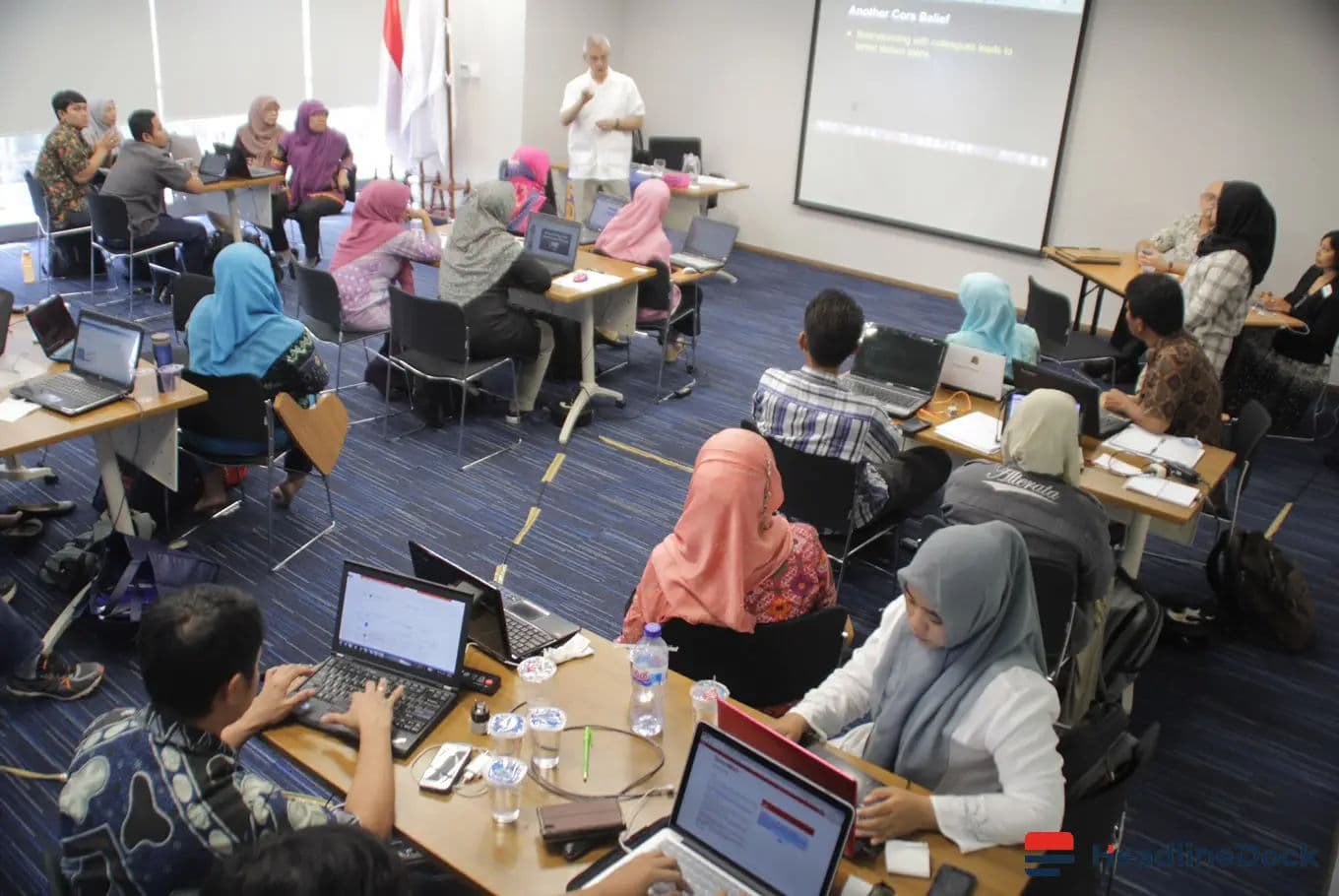
The CBSE circular stipulates that students in Class 9 must now study three languages, two of which must be Indian languages, relegating foreign language options to a secondary status. This shift, part of the National Education Policy (NEP) 2020, aims to foster linguistic diversity. However, the Supreme Court highlighted that enforcement is proving difficult in an environment lacking sufficient teachers, textbooks, and clear transition planning.
Challenges in the Three-Language Formula Rollout
The judiciary noted the logistical strain caused by imposing these changes mid-academic year. Students who had committed to specific subject choices based on previous guidelines now face sudden disruptions. Schools that invested in faculty and resources for foreign language programs are experiencing uncertainty regarding staffing and curriculum continuity. The Supreme Court has directed the Union government, CBSE, and NCERT to provide affidavits detailing their institutional readiness, questioning the feasibility of implementing such a mandate without adequate support systems in place.
Furthermore, educational experts suggest that the timing of this rollout is developmentally counterintuitive. Research consistently indicates that language acquisition is most effective during a student's foundational years. Expecting adolescents—who are already under pressure from board examinations—to adapt to a new language requirement overnight is pedagogically challenging. The abrupt nature of this change has created a noticeable trust deficit among parents, students, and educators who value predictability in the academic environment.
The debate also touches upon the persistent role of English as the primary medium for professional advancement and higher education in India. By treating English similarly to other foreign languages in certain frameworks, the policy faces criticism for ignoring the practical educational realities of the country. Additionally, while the Supreme Court has not yet ruled on federalism concerns, states such as Karnataka and Tamil Nadu continue to express reservations about how the mandate aligns with local language laws.
Moving forward, experts argue that success depends on creating a phased, well-resourced transition. This would involve introducing the three-language formula from earlier grades and ensuring that schools are fully equipped with the necessary personnel and materials before making language changes mandatory. Without addressing these gaps, the policy risks causing anxiety and confusion rather than achieving its intended goal of celebrating India's linguistic heritage.