Strait of Hormuz Records High Commodity Carrier Traffic Amid Middle East Conflict
The Strait of Hormuz recorded 35 commodity carrier transits on Monday, a significant level since the Middle East conflict began. This waterway, vital for global energy exports, is being closely monitored as tracking firms anticipate the total count to rise further amid current geopolitical tensions.
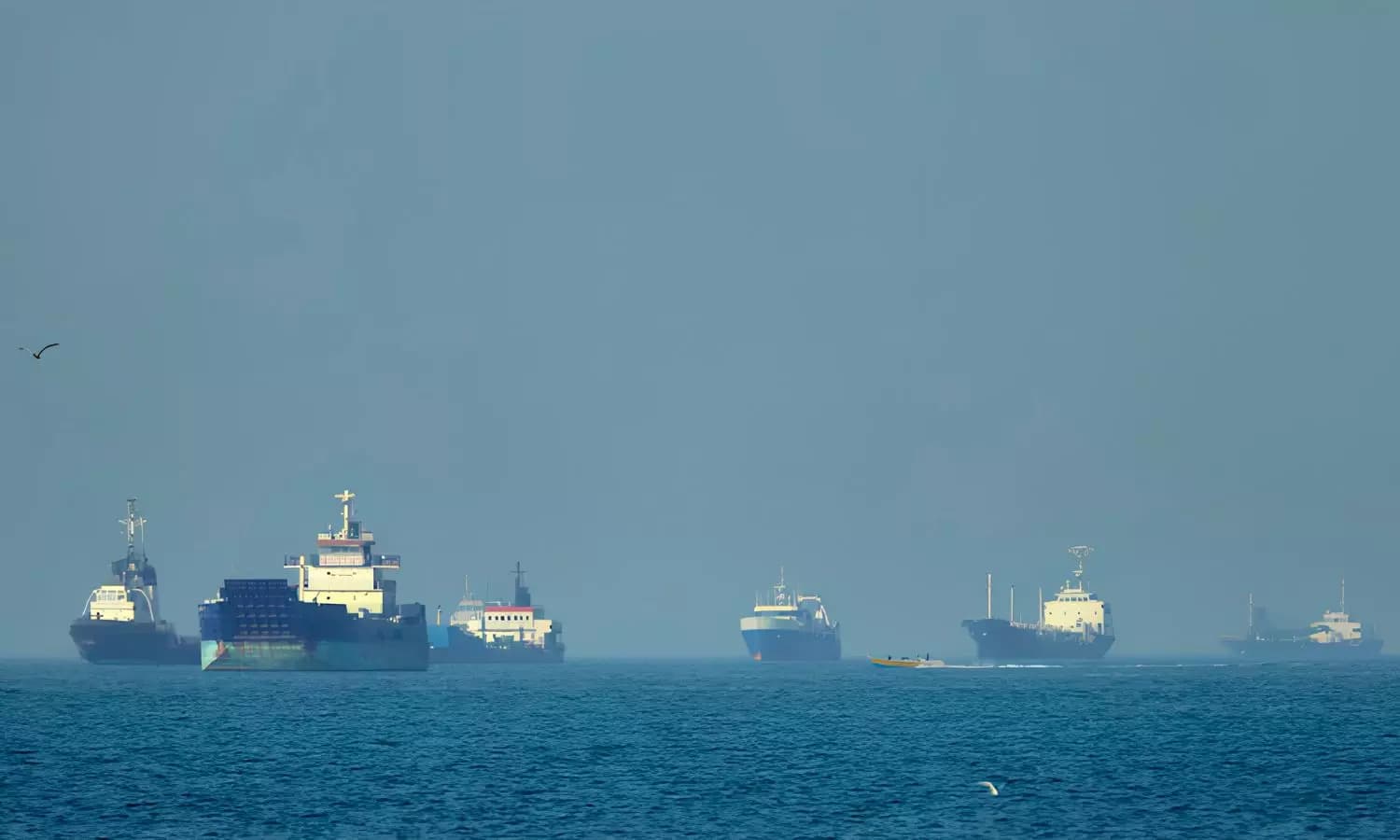
The Strait of Hormuz, a critical maritime chokepoint responsible for approximately 20 percent of global oil and gas shipments, has recorded a significant surge in activity. Recent maritime intelligence indicates that 35 commodity carriers successfully transited through this narrow waterway on Monday. This volume marks a notable increase in vessel movement since the onset of the current Middle East conflict in late February.
Understanding the Strategic Importance of the Strait of Hormuz
The Strait of Hormuz remains a vital artery for the global energy sector. Under normal operational conditions, this passage experiences around 120 transits per day. The 35 vessels recorded on Monday represent nearly one-third of this standard volume. While these numbers provide a snapshot of current logistical patterns, industry experts suggest that the final count for Monday’s crossings is likely to increase as tracking systems, specifically those managed by Kpler, confirm the presence and movement of additional ships throughout the region.
The sustained flow of these vessels highlights the resilience of global supply chains despite escalating geopolitical tensions in the Middle East. The Strait of Hormuz serves as the only sea passage from the Persian Gulf to the open ocean, making it indispensable for major oil exporters in the region. Monitoring agencies continue to track these developments closely to gauge how ongoing regional hostilities may influence future shipping schedules and commodity market stability.
Global Market Impact and Maritime Monitoring
The data provided by Kpler offers crucial insights into how energy markets are reacting to the instability surrounding the Middle East conflict. By maintaining a steady transit of commodity carriers, international shipping entities are demonstrating a commitment to keeping essential resources moving despite the heightened security risks associated with the area. The consistent monitoring of these transits is essential for stakeholders, as any significant disruption in this specific corridor could have immediate ramifications for international energy pricing and supply chain reliability.
As the situation unfolds, observers are paying close attention to whether this record-level activity continues or if new developments in the conflict will necessitate adjustments to maritime routes. For now, the activity levels recorded indicate that the Strait of Hormuz remains functional and open for transit, playing its historic role as a backbone of the global energy economy. Ongoing updates from maritime trackers will be vital in determining long-term trends regarding the transit of these high-value commodity vessels throughout the remainder of the year.
,curated_key_highlights:[