St Mary’s Basilica Repairs in Secunderabad Spark Serious Heritage Concerns
Concerns are mounting over the restoration of the 176-year-old St Mary's Basilica in Secunderabad. Parishioners and heritage experts claim the use of cement instead of traditional lime could damage the historic structure, prompting church management to promise a review of the work.
Highlights
- •Parishioners have voiced objections to the use of cement and sand in restoring the 176-year-old St Mary’s Basilica.
- •Heritage experts warn that cement is incompatible with the original lime and granite construction of the site.
- •The 1840-built church is an internationally recognized site elevated to basilica status by the Vatican in 2008.
- •Church authorities have promised to reconsider their renovation methods following the criticism from heritage conservationists.
Concerns have been raised regarding the ongoing St Mary’s Basilica repairs, a 176-year-old historic landmark situated in Secunderabad. Local parishioners and heritage enthusiasts have expressed significant unease over the use of modern materials, specifically cement and sand, during the restoration process, arguing that these substances are incompatible with the traditional architectural fabric of the site.
The St Mary’s Basilica, an Indo-Gothic structure, holds immense historical and spiritual significance. Construction of this iconic Roman Catholic church commenced in 1840, reaching completion in 1850. The site was later elevated to the status of a basilica by a Vatican decree on November 7, 2008, solidifying its reputation as a globally recognized landmark that facilitates multilingual religious services throughout the week.
Heritage Preservation and Construction Standards
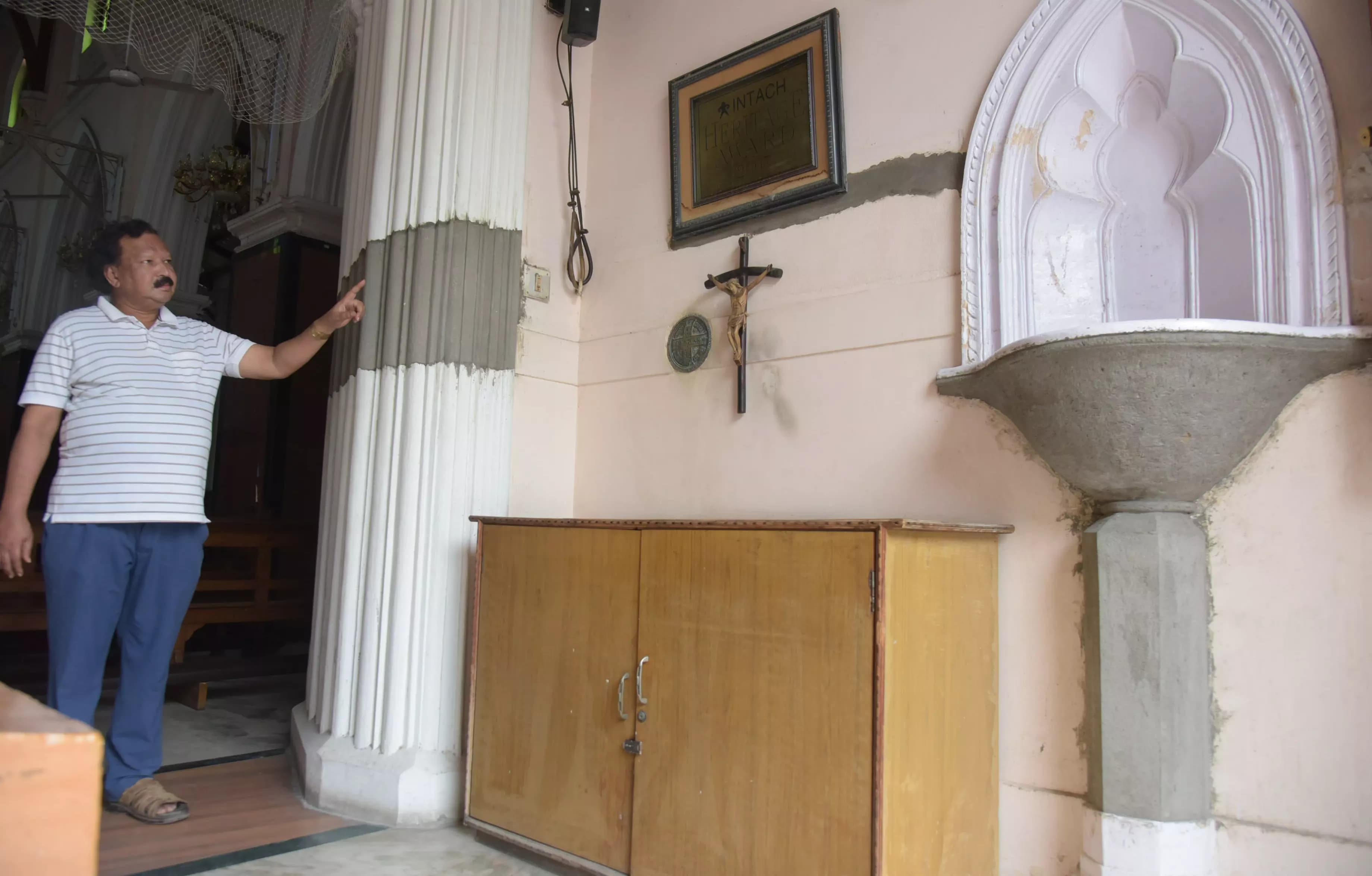
The core of the criticism centers on the deviation from the original building materials. Historically constructed using granite, brick, and lime, the building relies on the longevity and structural compatibility of these traditional components. Parishioners, including Lenny Emanuel, a third-generation member, have reached out to church management to warn that unscientific restoration methods could severely compromise the heritage character of the basilica. The primary fear is that cement, being less reactive and having different expansion properties than lime, may separate from the original surfaces over time, potentially causing irreparable damage to the structure.
Heritage conservationist Anuradha Reddy, whose connection to the site includes an INTACH award received by the basilica in 2007, has also voiced strong reservations. She highlighted that the use of cement in St Mary’s Basilica repairs is fundamentally flawed for such a historic site. She suggested that routine professional inspection and specialized maintenance are essential to manage water drainage and prevent seepage, which is often the precursor to structural degradation. Reddy expressed a willingness to offer professional assistance to ensure the maintenance aligns with international standards for historical conservation.
Response from Church Management
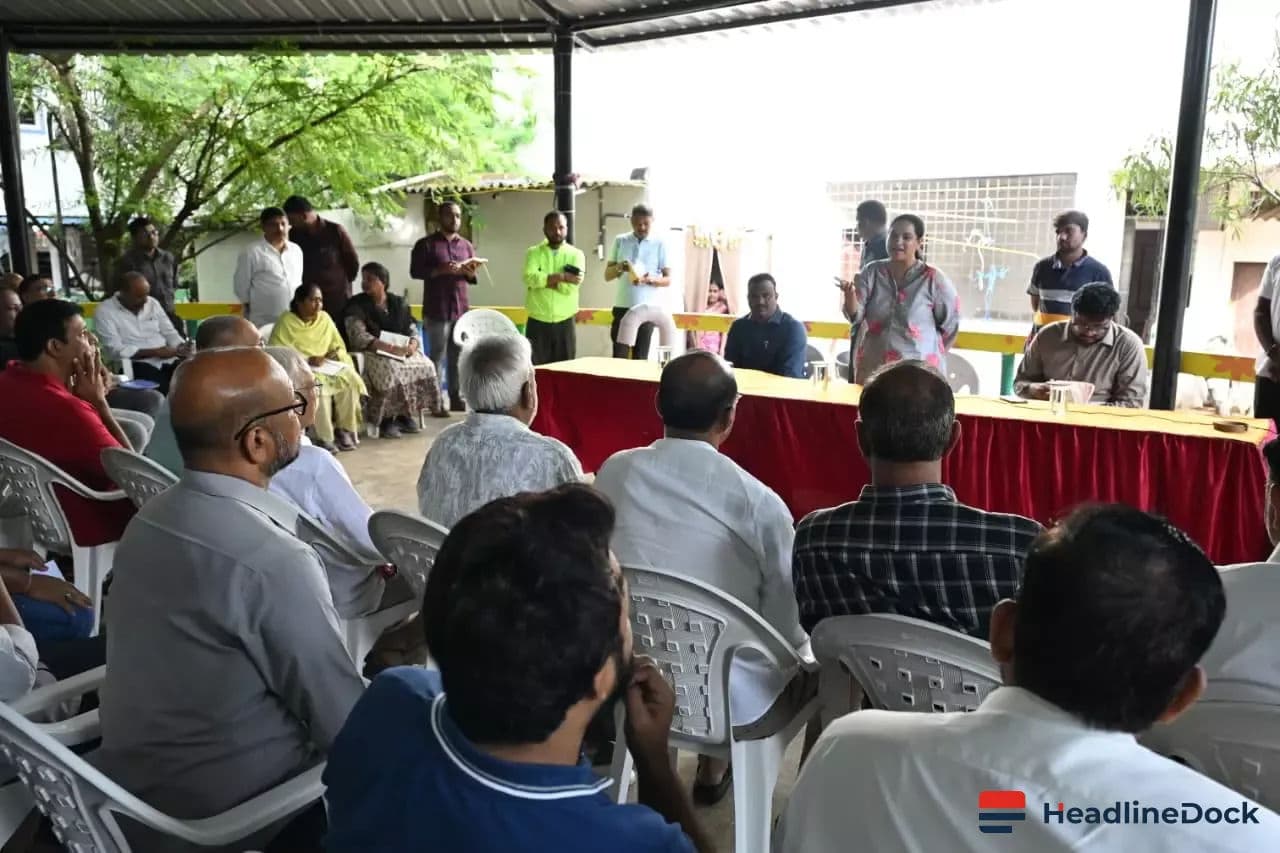
Local parishioners, including Rinald Solomon and Ignatius Francis, have specifically pointed out that sensitive areas such as internal steps and holy water pits are undergoing these controversial changes. While leakage issues were previously addressed through expert consultation, they argue that the current renovation methodology is inappropriate. Addressing these widespread concerns, parish priest Fr M. Arogyam acknowledged the objections. He explained that the decision to use available materials was largely due to the current lack of skilled lime workers and noted that the church authorities would reconsider the restoration strategy for the remaining portions of the work.