Significant 16th-Century Vijayanagara-Era Inscriptions Found in Tirupati's Seshachalam Forest
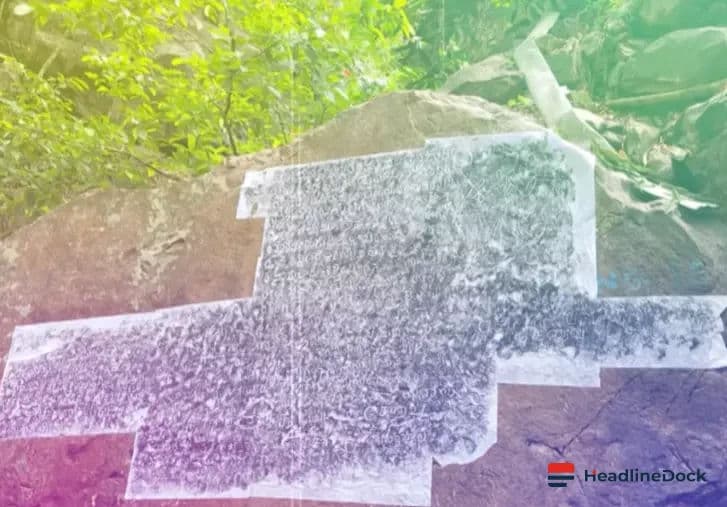
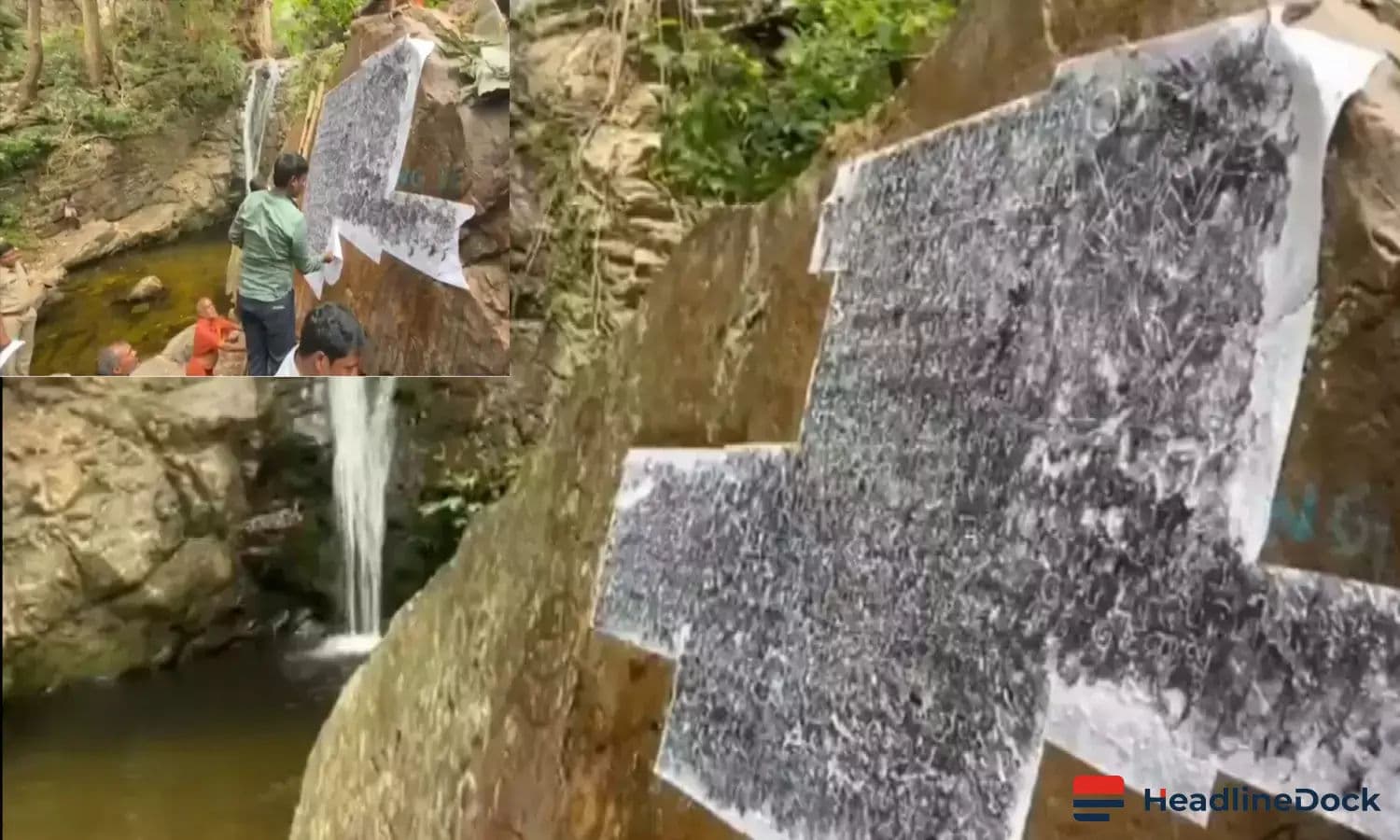
Archaeologists from the Archaeological Survey of India have discovered two rare 16th-century inscriptions in Andhra Pradesh's Seshachalam forest. These findings, dating to the Vijayanagara Empire, provide historical details on temple administration and land grants during the reign of Emperor Sadasiva Deva Raya.
Highlights
- •Two 16th-century Vijayanagara-era inscriptions were found in the Seshachalam reserve forest.
- •The inscriptions are engraved in Telugu, Kannada, and Tamil, offering unique linguistic insights.
- •They document land grants for rituals at the Parashurameswara temple during the reign of Emperor Sadasiva Deva Raya.
- •The discovery enhances knowledge of temple administration and socio-economic life under the Vijayanagara Empire.
Archaeologists have uncovered two significant Vijayanagara-era inscriptions within the Seshachalam reserve forest, located in the Tirupati district of Andhra Pradesh. This remarkable discovery, confirmed by officials from the Archaeological Survey of India (ASI), sheds new light on the region's ancient administrative and social practices during the 16th century.
The artifacts, which were identified during a recent field survey, are notable for being engraved in three distinct languages: Telugu, Kannada, and Tamil. The use of multiple scripts highlights the cultural and linguistic diversity prevalent during the height of the Vijayanagara Empire. These inscriptions provide historians and researchers with a clearer understanding of the governance structures that existed in this part of southern India over 400 years ago.
Historical Significance of the Findings
According to the details deciphered from the stone slabs, the inscriptions date back to the reign of Emperor Sadasiva Deva Raya. The text specifically outlines the official provision of land grants intended for the maintenance of daily religious rituals and offerings at the Parashurameswara temple, situated in Gudimallam village in the Yerpedu mandal. Such records are invaluable for mapping the socio-economic framework and the deep-rooted tradition of temple administration characteristic of that era.
The discovery of these Vijayanagara-era inscriptions serves as a poignant reminder of the rich historical heritage preserved within the Sadasiva Kona region. By detailing the specific mechanisms of land grants and the patronage of local temples, the find offers a window into the daily lives and organizational methods of the people living under the Vijayanagara Empire. This site continues to be a focal point for ongoing archaeological exploration, with experts suggesting that further research may yield even more evidence regarding the era's complex governance and local developments.
As the Archaeological Survey of India (ASI) continues to catalog these findings, the documentation of these sites becomes a critical endeavor. Protecting such historical markers within the Seshachalam reserve forest ensures that future generations can appreciate the depth of Andhra Pradesh's past. The preservation of these Vijayanagara-era inscriptions is not only a win for local heritage conservation but also contributes significantly to the broader national database of historical records.