Severe Rainfall Deficit Disrupts Kharif Cotton Sowing in Four Telangana Districts
A severe rainfall deficit across north Telangana has disrupted Kharif operations, specifically impacting cotton germination in four districts. Agriculture officials have advised farmers to continue sowing until July 15 and implement water-saving techniques to manage the prevailing dry conditions and ensure better crop yields.

Highlights
- •North Telangana districts record severe rainfall deficits impacting cotton germination.
- •Adilabad, Mancherial, Komaram Bheem Asifabad, and Nirmal face deficits ranging from 53% to 71%.
- •Agriculture officials confirm cotton sowing remains viable for farmers until July 15.
- •Experts recommend drip irrigation and rainwater conservation to combat drought-like conditions.
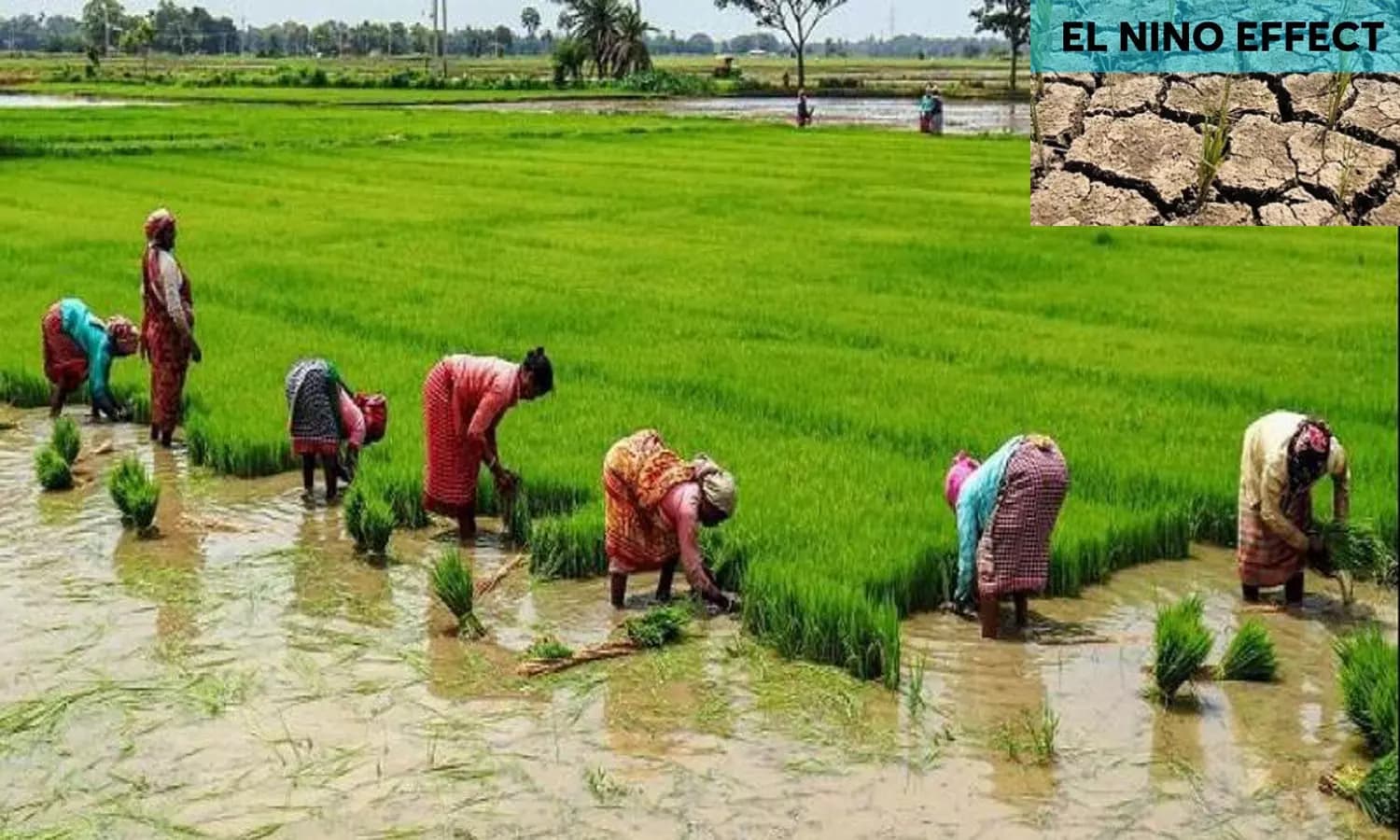
Farmers across north Telangana are facing significant agricultural disruptions as a severe rainfall deficit impacts the ongoing Kharif season. In districts like Adilabad, Mancherial, Komaram Bheem Asifabad, and Nirmal, dry weather conditions have severely hindered cotton seed germination, leading many cultivators to contemplate re-sowing their fields.
Impact of Rainfall Deficit on Agriculture
The lack of adequate precipitation over the past fortnight has caused substantial anxiety among the farming community. According to official data as of June 21, Adilabad has recorded a 71 percent rainfall deficit, receiving only 37.1 mm against the expected 128.6 mm. Similarly, Mancherial reported a 65 percent deficit, with actual rainfall reaching only 41.6 mm compared to the normal 117.6 mm. The situation is equally challenging in Komaram Bheem Asifabad and Nirmal, which have faced deficits of 58 percent and 53 percent, respectively.
Agricultural experts have urged farmers to remain calm, noting that there is still a viable window for sowing activities. According to Sridhar Swamy, the agriculture officer for Adilabad, cotton sowing can successfully continue until July 15. To optimize yields, he advised farmers to focus on gap-filling in areas where germination has been poor to maintain the required plant population.
Recommendations for Crop Management
To mitigate the effects of the rainfall deficit and potential drought-like conditions, specialists are recommending proactive measures. Farmers are encouraged to utilize drip and sprinkler irrigation systems to safeguard their newly sown crops. Furthermore, agriculture scientists have emphasized the urgent need for robust rainwater conservation strategies to protect agricultural output in the affected regions.
For those farmers experiencing widespread germination failure, officials suggest considering short-duration alternatives like red gram. It is essential for growers to maintain a close watch on weather forecasts, which predict improved rainfall activity between June 23 and 26, and again during the first week of July. By staying informed and adopting water-saving technologies, the agricultural community hopes to overcome these early-season challenges and secure a productive harvest.