Rising MDMA Consumption Among Youth: Understanding the Risks and Social Implications
The rise in MDMA consumption among youth as a social lubricant in post-pandemic settings highlights deep-seated emotional needs and raises alarms about increased risks of sexual violence and vulnerability in nightlife environments, necessitating comprehensive, gender-conscious social interventions.
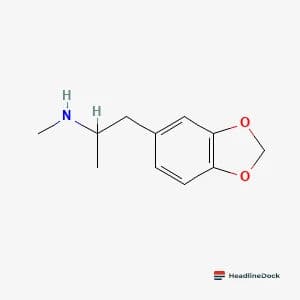
In the post-pandemic era, social interactions among young people have undergone a significant transformation. As a result of prolonged isolation, many individuals are increasingly turning to MDMA, commonly known as ecstasy, as a way to facilitate social connection in leisure environments. This concerning trend, however, brings with it serious implications regarding safety and potential exposure to sexual violence.
Recent data underscores the global rise in substance use. According to the 2024 United Nations World Drug Report, over 296 million people used drugs in 2021, marking a 23% increase over the previous decade. In Europe, trends are similarly worrying. The European Monitoring Centre for Drugs and Drug Addiction (EMCDDA) identifies MDMA as the second most consumed illegal stimulant across the continent, following cocaine. Within Spain, it has emerged as the fifth most used substance among youth, with a reported prevalence of 3.1%.
The Psychological Allure and Risks of MDMA
The appeal of MDMA lies in its unique psychoactive properties. Unlike many other substances, it does not typically result in a total loss of consciousness. Instead, users often report a heightened sense of empathy, emotional openness, and euphoria. For a demographic still navigating post-pandemic social anxiety, the substance acts as a perceived tool to overcome shyness, dance more freely, and foster connection with others. Research involving Spanish youth revealed that approximately 73% of respondents felt the drug helped them shed inhibitions, while a significant majority associated it with increased energy and feelings of well-being.
However, this perceived benefit comes at a high price. The emotional effects that promote openness can paradoxically lead to increased vulnerability in nightlife settings where social oversight is minimal and alcohol is frequently combined with other drugs. Evidence suggests that these entactogenic qualities may be exploited, facilitating unwanted physical contact or complicating the ability to establish clear consent. Reports from the Noctámbul@s Observatory indicate that over half of women interviewed in nocturnal leisure settings reported experiencing some form of sexual violence, with substance use often being cited by perpetrators to justify their actions.
Addressing the Challenge Through Social Intervention
The rise of MDMA consumption necessitates a comprehensive approach beyond traditional, punitive measures. Professionals in the field of social work emphasize the importance of understanding the underlying emotional and social needs that drive young people toward these substances. Effective intervention strategies should focus on creating safe environments where youth can express themselves and build genuine connections without chemical assistance. This involves fostering healthy leisure alternatives and providing robust emotional management tools for adolescents. Furthermore, interventions must integrate a strong gender-conscious perspective, recognizing that structural inequalities continue to impact safety and consent in social spaces.
,curated_key_highlights:[