Revisiting the 1976 Heatwave: How Today's Climate Amplifies Extreme Summer Heat
A re-analysis of the historic 1976 summer reveals that identical weather patterns today would be significantly hotter and more dangerous due to climate change. As heatwaves intensify, urgent societal adaptation and immediate reductions in greenhouse gas emissions are critical to preventing a more extreme future climate.
Highlights
- •The 1976 heatwave featured 15 days over 32°C, but today's climate would push this to over 35°C.
- •Heatwaves are intensifying faster than average global temperatures, causing 3°C to 4°C rises in local peak heat.
- •Current UK infrastructure is built for a past climate and struggles to cope with modern extreme heat.
- •Projections suggest 45°C temperatures could become possible within three decades without significant emissions reduction.
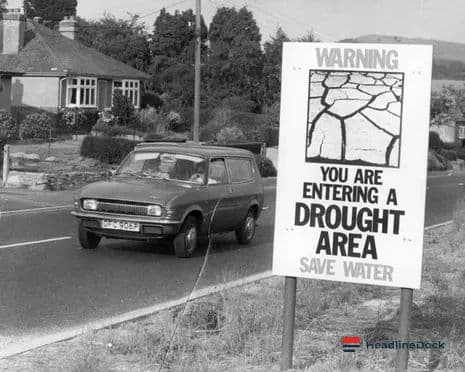
The legendary summer of 1976 serves as a stark benchmark for historical weather patterns, defined by a 15-day stretch of temperatures exceeding 32°C. Following a year-long drought, that period was marked by significant water scarcity and widespread wildfires. However, a new analysis suggests that if an identical weather pattern were to occur in today’s environment, the impacts would be far more severe due to the progression of climate change.
Global temperatures have risen by approximately 1°C since the mid-1970s, fundamentally altering what is considered normal weather. While 1976 once stood out as a solitary hot spot in northwest Europe, the current climate is characterized by more widespread and intense heat. In a modern context, extreme heat events are intensifying at a rate that outpaces average global temperature increases. Research indicates that heatwaves in southern England are now 3°C to 4°C hotter than they were decades ago.
The Escalating Threat of Modern Heatwaves
If the specific meteorological conditions of 1976 were to repeat today, peak temperatures would likely reach between 38°C and 39°C. More alarmingly, the 15-day streak of temperatures above 32°C would translate to 15 consecutive days exceeding 35°C in the current climate. Such prolonged periods of intense heat place immense strain on public health and critical infrastructure, including transportation networks and urban housing, which were largely designed for a cooler historical climate.
The implications for daily life are significant. Consistent high temperatures, combined with nights that offer little thermal relief, pose serious health risks to vulnerable populations and decrease productivity across all sectors. Whether it involves students sitting for exams in stifling environments, patients recovering in hospitals, or workers in non-air-conditioned buildings, the societal costs of these extreme weather events are rising. Infrastructure currently in place remains inadequately adapted to handle the frequency and intensity of these anticipated climatic shifts.
Looking toward the future, continued greenhouse gas emissions threaten to make such extremes even more commonplace. Scientific projections suggest that within the next three decades, the UK could experience temperatures reaching 45°C. In a world 2.5°C warmer than pre-industrial levels, heatwaves could sustain 40°C temperatures for over a week. The climate of the past no longer exists, and the conditions that defined the 1976 heatwave will eventually be viewed as remarkably mild compared to future summers.
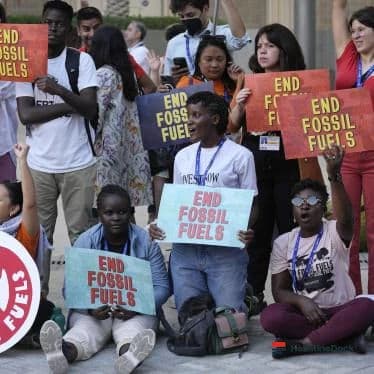
Despite these daunting projections, there is still an opportunity to influence the outcome. Rapidly reducing reliance on fossil fuels, curbing deforestation, and stabilizing greenhouse gas concentrations could help mitigate the most catastrophic long-term effects. While some degree of adaptation is already necessary due to existing warming, urgent action remains the primary tool for avoiding the most extreme future scenarios.