Revanth Reddy Calls Tungabhadra Meet a Historic Step Toward Resolving Water Issues
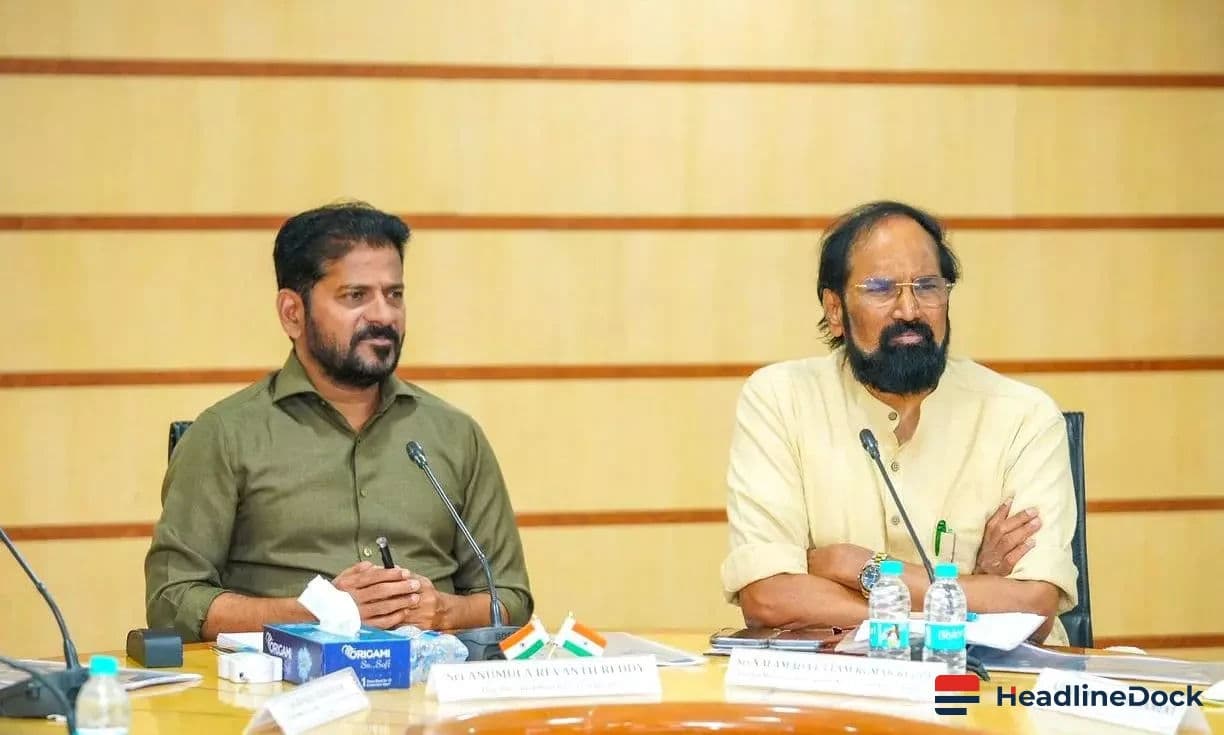
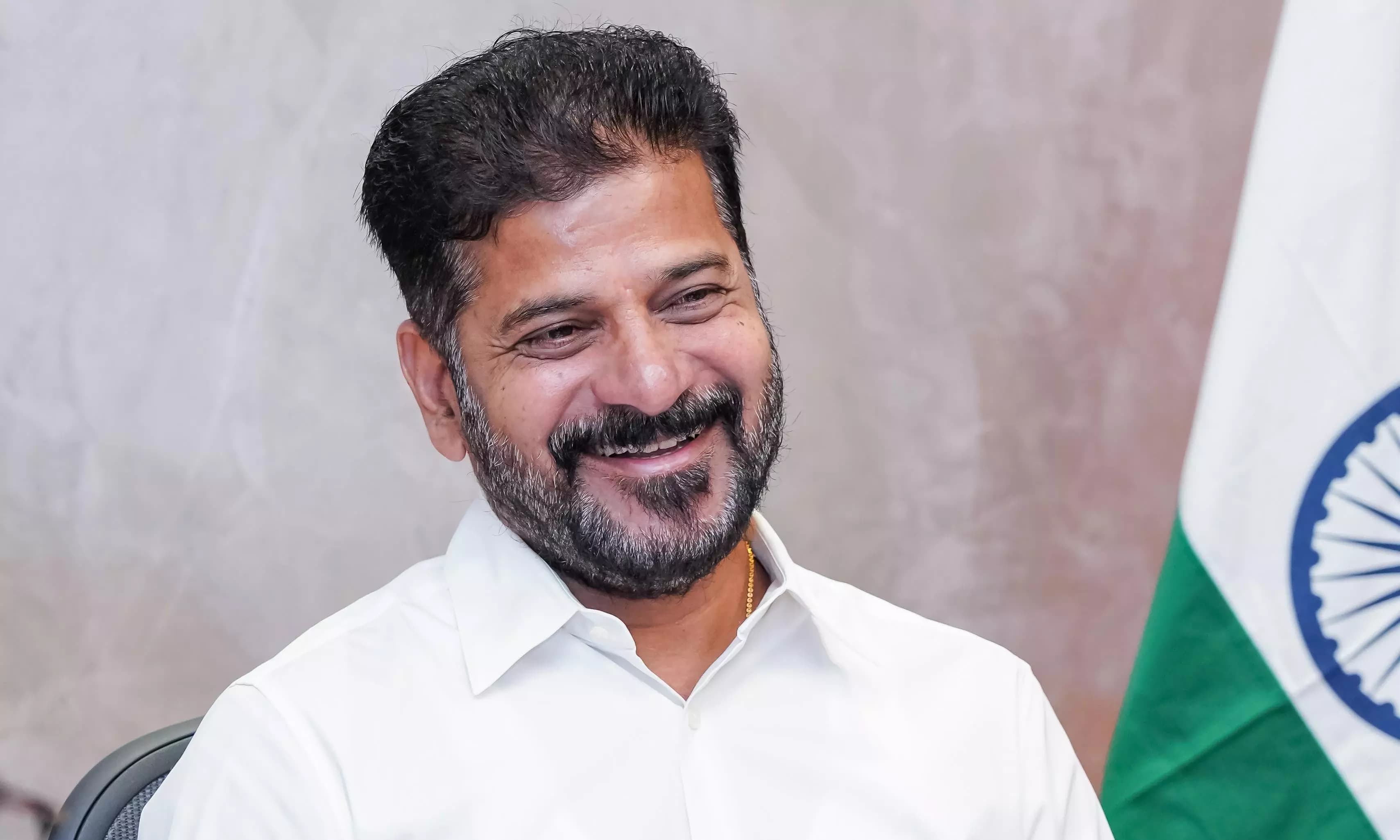
Telangana Chief Minister Revanth Reddy has identified the recent Tungabhadra project meeting as a vital step in resolving long-standing inter-state water sharing issues. The discussions focused on infrastructure upgrades and equitable water distribution to support farmers in the Gadwal, Alampur, and Palamuru regions.

Telangana Chief Minister Revanth Reddy has characterized a recent gathering at the Tungabhadra Project as a pivotal moment in the ongoing effort to settle complex inter-state water disputes. This initiative highlights the urgent need for a cohesive strategy to manage water resources that impact countless farming communities across the region.
Addressing Infrastructure and Water Allocation Challenges
The restoration of 33 gates at the Tungabhadra Project serves as a vital infrastructure development, which the Chief Minister views as a necessary step to support agricultural sustainability. By upgrading these facilities, officials aim to mitigate long-standing difficulties that have affected the livelihoods of farmers for several generations. Revanth Reddy expressed significant optimism regarding the involvement of Union Jal Shakti Minister C. R. Patil, noting that his leadership could be instrumental in establishing a permanent framework for equitable water sharing among the involved states.
A critical point of concern discussed during the meeting was the Rajolibanda Diversion Scheme (RDS). Currently, Telangana receives only 5–6 TMC of water, which falls drastically short of its 17.9 TMC allocation. This deficit has left nearly 10 TMC of water unutilized, creating substantial challenges for irrigation in the Gadwal, Alampur, and Palamuru regions. The Chief Minister emphasized that ensuring this water reaches local farmers is a top priority for his administration.
Path Toward a Lasting Resolution
Beyond the immediate infrastructure improvements, the discussions also addressed pressing issues such as persistent silt accumulation within the Tungabhadra River. These factors have historically complicated water distribution, leading to disputes that require a collaborative approach to solve. Revanth Reddy stressed that by setting aside political considerations and focusing on technical and developmental goals, the stakeholders can move closer to a viable, long-term consensus.
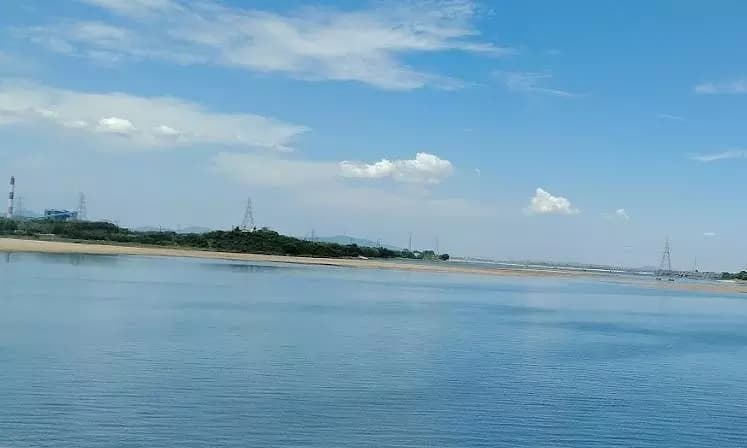
The collaborative meeting on the banks of the Tungabhadra River is seen as an essential platform for fostering interstate cooperation. By addressing the fundamental grievances of farmers and upgrading water management systems, state leaders aim to transform agricultural prospects in the affected areas. There is a strong collective hope that this dialogue will serve as the foundation for a permanent solution, finally bringing stability to the farmers who have been struggling with water scarcity for years. As state and central authorities continue their joint efforts, the focus remains firmly on implementing these solutions to secure the future of the region's agricultural economy.