Reflecting on Ten Years of Brexit: Alternative Paths and Economic Realities
A decade after the historic 2016 referendum, this article explores the alternative Brexit paths considered by the UK, such as the Singapore or Norway models, and examines the lasting economic consequences and current political realities facing the nation today.
Highlights
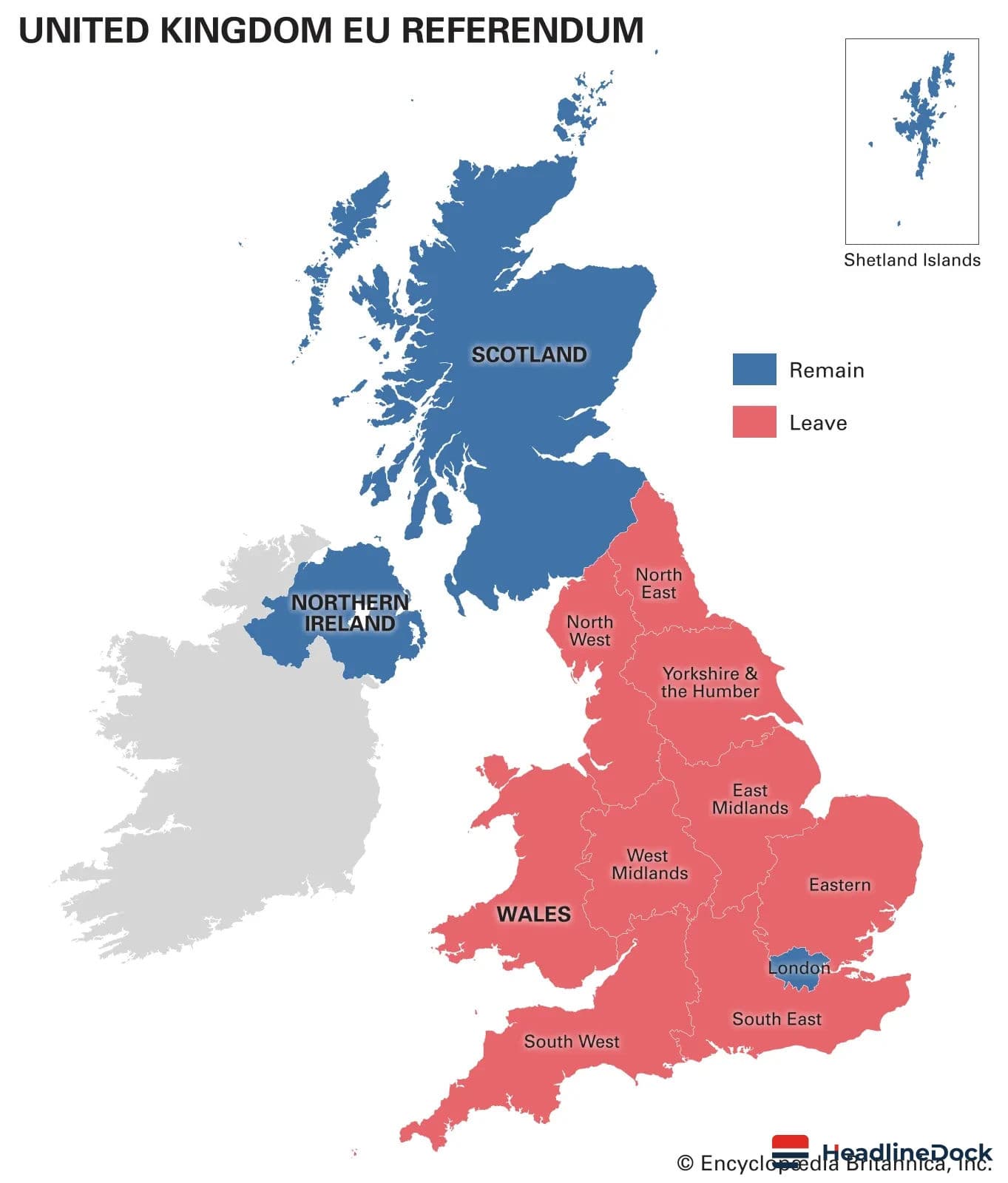
- •The UK voted to leave the EU on June 23, 2016, with the withdrawal process spanning a full decade.
- •Various theoretical Brexit models, including the Singapore-style low-tax approach and the Norway-style EEA membership, were evaluated.
- •Economic analysis suggests the UK is currently 4% to 8% poorer compared to a hypothetical scenario of remaining in the EU.
- •Modern geopolitical shifts, including changing trade relations with the US, have rendered many initial 2016 Brexit assumptions obsolete.
As the ten-year anniversary of the Brexit referendum arrives, it serves as a critical moment for retrospective analysis. On June 23, 2016, the United Kingdom narrowly voted to leave the European Union, initiating a complex process that lacked a clear historical roadmap. Reflecting on this decade, questions arise regarding alternative models for withdrawal that were considered but ultimately set aside.
One prominent, though ultimately rejected, vision for Brexit was the so-called “Singapore-on-Thames” model. This radical approach prioritized low taxation and light regulation, advocating for unilateral free trade. Proponents suggested the UK could remove tariffs to secure cheaper global goods. However, analysts acknowledged this would likely dismantle much of the nation's manufacturing sector. With products potentially manufactured more affordably in other markets, sectors like British steel or car production in Sunderland would have faced severe existential challenges.
Evaluating Brexit Pathways and Economic Realities
Conversely, a "soft Brexit" path mirrored the Norway model, which remains a member of the European Economic Area (EEA). This strategy would have preserved access to the single market while granting the UK sovereignty over non-economic matters like fishing and trade deals. By following this route, the UK might have avoided the extensive legislative and economic friction that defined the actual withdrawal process. Instead, civil servants and policymakers could have redirected their focus toward bolstering domestic industries and participating more effectively in European defense initiatives.
Another theoretical scenario involved a closer alignment with the United States, modeled after trade relationships seen in Canada or Mexico. In 2016, given the cordial diplomatic climate between Europe and the US, some imagined the UK acting as a strategic bridge between the two blocs. However, the subsequent evolution of global trade policies, particularly under Donald Trump, rendered this configuration largely unattainable. The reality of modern trade wars and geopolitical shifts has significantly narrowed the options available to a post-EU Britain.
Ultimately, the actual Brexit followed the path of least resistance. Successive administrations led by Theresa May, Boris Johnson, and Rishi Sunak formalized the departure, while current Prime Minister Keir Starmer is now navigating the process of rejoining specific EU agreements. Current economic analyses indicate that the UK economy is between 4% and 8% poorer than it would have been under continued EU membership. As the nation moves forward, the ongoing discussions regarding sovereignty and economic integration continue to define the political landscape a decade later.