Polluting Odisha’s Historic Daya River Now Classified As A Criminal Offense
The Odisha government has declared polluting the historic Daya River a criminal offense. Following a major cleanup campaign, authorities will now enforce strict legal action against waste dumping and encroachments to protect the river's ecosystem and the downstream Chilika Lake.
Highlights
- •Polluting the Daya River in Odisha is now officially classified as a criminal offense.
- •Authorities are implementing strict legal action against industrial and household waste dumping.
- •The initiative follows a large-scale cleanliness drive by the Bhubaneswar Development Authority.
- •The Daya River is ecologically essential for sustaining Chilika Lake, Asia's largest brackish water lagoon.
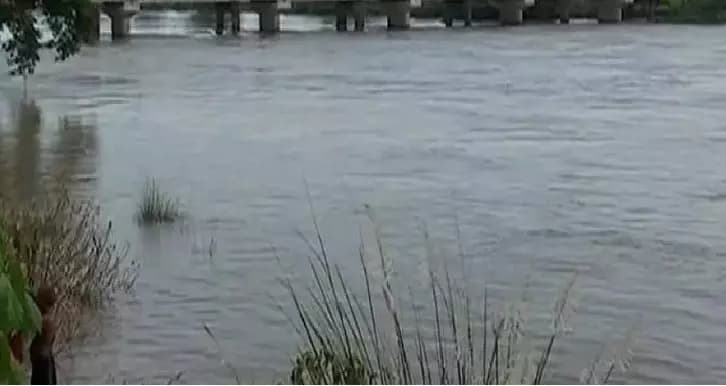
In a significant legislative move aimed at environmental preservation, officials in Odisha have declared that polluting the historically and ecologically vital Daya River will now be considered a criminal offense. This policy shift introduces strict legal consequences for any individual or organization caught contaminating the waterway, which spans through the Bhubaneswar and Puri districts before emptying into the massive Chilika Lake.
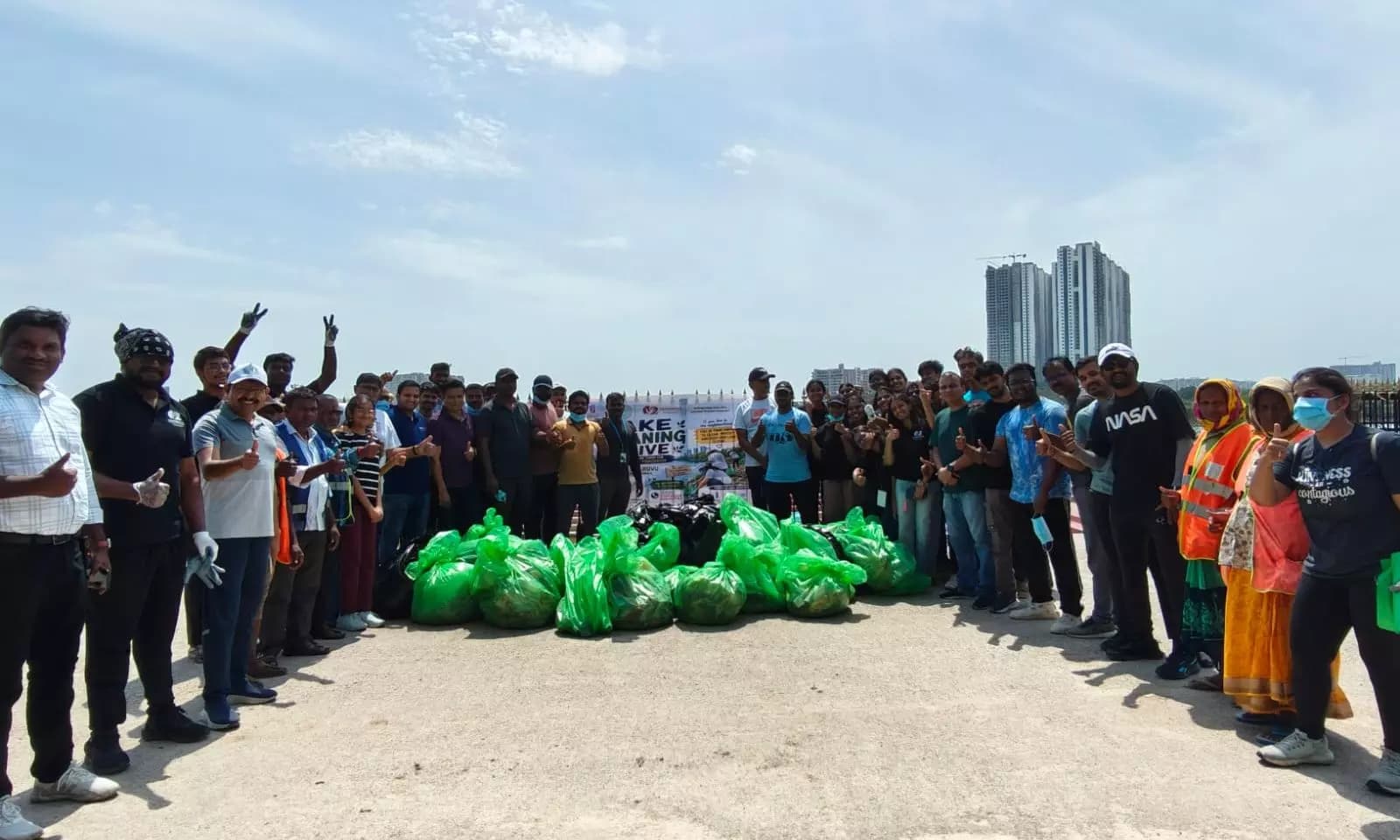
For years, the river has suffered from severe environmental degradation due to the unchecked disposal of solid waste, raw sewage, and various industrial pollutants. Furthermore, unauthorized encroachments along the banks have significantly restricted the river's natural flow, contributing to increased flooding risks during monsoon seasons. The decision to pursue criminal charges comes on the heels of a massive cleanliness drive spearheaded by the Bhubaneswar Development Authority (BDA), alongside various other government bodies, environmental activists, and local residents.
Combating Pollution Through Strict Legal Measures
The administration has clarified that this initiative is intended to be a long-term strategy rather than a temporary fix. Surveillance efforts are being ramped up along the Daya River to identify and penalize those responsible for dumping household garbage, construction debris, plastic waste, or untreated industrial wastewater. By classifying river pollution as a criminal offense, the government aims to establish a robust deterrent against activities that threaten the fragile ecosystem.
The historical and cultural significance of the Daya River cannot be overstated. According to historical records, the riverbanks served as the site of the legendary Kalinga War over 2,300 years ago, a conflict so devastating that it profoundly changed Emperor Ashoka, leading him to renounce violence and embrace Buddhism. Protecting this heritage site is now inextricably linked to contemporary urban survival and ecological health.
Environmental experts have widely praised the new regulatory stance, noting that the health of the Daya River is directly connected to the biodiversity of Chilika Lake, which stands as Asia's largest brackish water lagoon. The lake serves as a critical habitat for migratory birds and is a lifeline for thousands of local fisherfolk who rely on its resources. By enforcing stricter laws, authorities hope to prevent the further degradation of this vital water corridor.
Beyond legal repercussions, the government is focusing on community-led conservation. Local residents living in nearby urban settlements and villages are being encouraged to take an active role in protecting the riverbank. Through structured awareness programs, the administration hopes to instill a sense of ownership among citizens, discouraging them from using the river as a dump site and fostering a culture of responsible waste management for the benefit of the entire region.