PM Modi Mandates Stronger National Framework for Cybercrime Prevention and Investigation
Prime Minister Narendra Modi has directed a nationwide push for enhanced cybercrime prevention, emphasizing better coordination between agencies to tackle digital fraud. The initiative focuses on faster complaint registration, victim support, and widespread awareness campaigns to combat emerging threats like digital arrest scams.
Highlights
- •Prime Minister Narendra Modi prioritized national cybercrime prevention and faster investigation mechanisms.
- •New directives include implementing e-Zero FIR protocols to accelerate cyber complaint registration across India.
- •The government is launching awareness campaigns to protect citizens from deceptive digital arrest scams.
- •Authorities urge citizens to report suspicious calls immediately via the Cybercrime Helpline 1930.
During the 52nd PRAGATI meeting, Prime Minister Narendra Modi issued critical directives aimed at significantly bolstering the national framework for cybercrime prevention and investigation. The session, which brought together various senior government officials, emphasized the urgent need for a more cohesive and rapid response to the rising tide of digital offenses across India.
Enhancing National Cybercrime Prevention Strategies
The Prime Minister underscored the necessity for state and central authorities, including law enforcement, banking institutions, and digital service providers, to function as a unified force. By operating as a coordinated unit, these entities can better combat the growing menace of cyber-enabled crimes. A key focus of the discussion was the optimization of reporting systems to ensure that victims receive prompt and effective support immediately following an incident.
Among the specific operational goals set during the meeting was the implementation of e-Zero FIR and Zero FIR protocols. These measures are designed to significantly accelerate the registration process for cyber-related complaints. By reducing bureaucratic hurdles, authorities aim to improve the overall efficiency of investigation cycles and provide justice more swiftly to those affected by digital fraud.
Combating Digital Arrest Scams
A major portion of the cybercrime prevention discourse centered on the increasing prevalence of "digital arrest" scams. The government is planning to launch comprehensive, sustained public awareness campaigns to educate citizens on how to identify and avoid falling prey to these sophisticated fraudulent schemes. Officials were encouraged to prioritize public outreach to ensure that common users remain vigilant against high-pressure tactics used by cybercriminals.
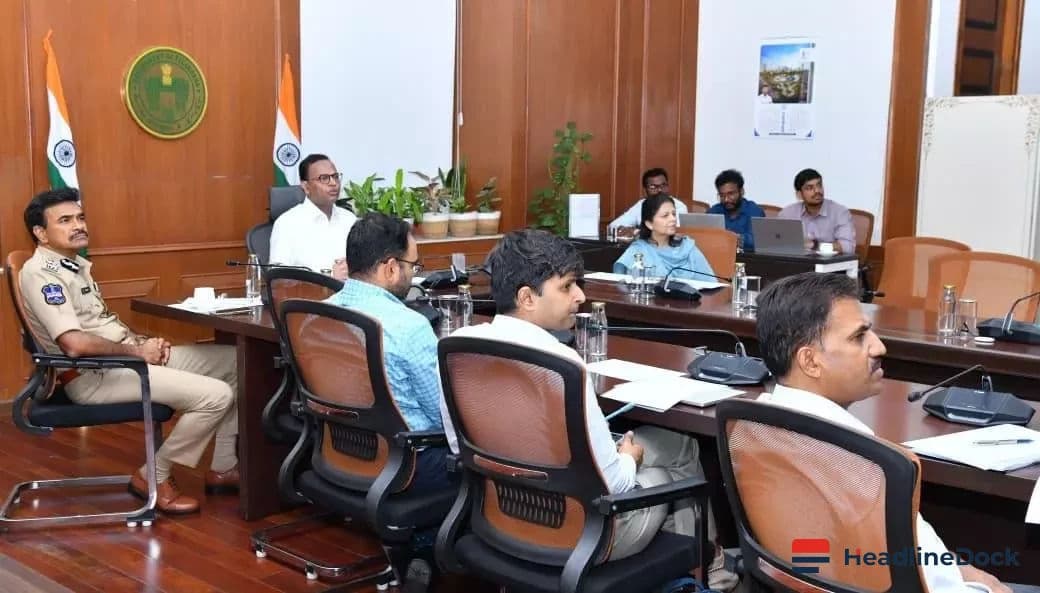
In Telangana, local authorities have already demonstrated a proactive stance in addressing these issues. Representing the state, Chief Secretary K. Ramakrishna Rao and Director-General of Police CV Anand joined the high-level meeting virtually. Experts advise that if any individual receives a suspicious call involving threats of a digital arrest, they should remain calm and avoid making any payments. Instead, the incident should be reported immediately by dialing the Cybercrime Helpline 1930.
As the nation moves toward a more digitized economy, the integration of technology and robust legal frameworks remains the primary defense. The directives from the PRAGATI meeting mark a decisive step toward creating a safer digital environment for all citizens, ensuring that state-level enforcement is well-equipped to handle the complexities of modern cyber threats effectively.