PM Fasal Bima Yojana: Compensation for Rain-Damaged Crops in India
HeadlineDock reports on the PM Fasal Bima Yojana program providing critical financial relief to Indian farmers experiencing losses due to recent heavy rainfall.

Highlights
- •PM Fasal Bima Yojana is India's largest crop insurance scheme.
- •The scheme covers a range of natural disasters that affect crops.
- •Farmers benefit financially from compensation for crop losses.
- •Application deadlines for the program are crucial for coverage.
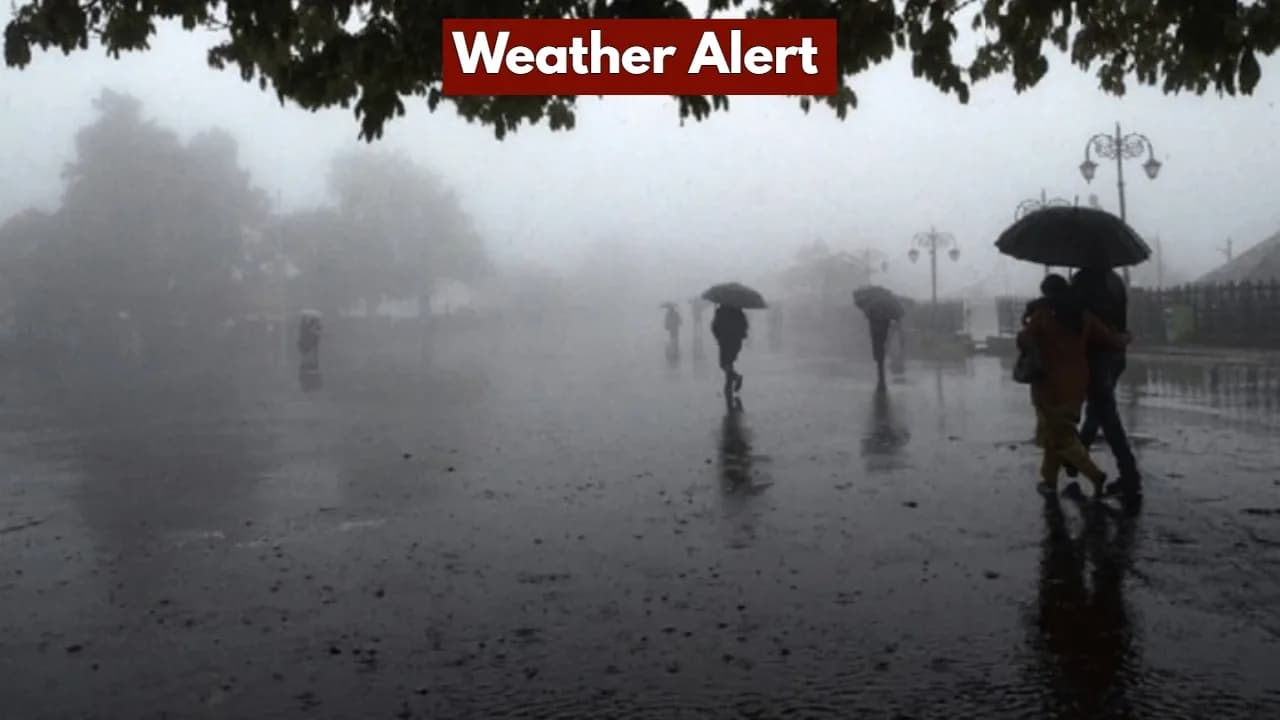
Farmers across Indian states are facing losses due to heavy rainfall and unseasonal weather patterns. The Pradhan Mantri Fasal Bima Yojana (PMFBY), India's largest crop insurance scheme, offers crucial financial support in such situations. The program aims to provide affordable insurance coverage to farmers against natural disasters that could impact crop yields.
So far, around 36 crore farmers from various regions have benefited from the PM Fasal Bima Yojana since its inception in the 2016 Kharif season. This comprehensive scheme covers crop losses resulting from a range of factors, including drought, storms, hurricanes, floods, and unseasonal rain. The coverage extends from the pre-sowing stage right through to post-harvest. The objective is clear: protect Indian farmers financially from the devastating effects of crop failures.
Benefits of PMFBY for Farmers
To participate in the PMFBY scheme, farmers need to submit an application form either online or offline. Those who prefer online registration can visit the official website at https://pmfby.gov.in. Offline applications can be submitted at designated banks, cooperative societies, or CSC (Common Service Centers). It is essential for farmers to apply within 10 days of sowing their crops to ensure eligibility for coverage.
The government publishes a list of eligible crops for each season, which typically includes cereals, oilseeds, and horticultural crops. If a farmer's chosen crop is not on the notified list, they will not be eligible for insurance under this scheme. The validity of the crop insurance extends up to 14 days following harvest.
Farmers pay a fixed premium depending on the type of crop: 2 percent for Kharif crops, 1.5 percent for Rabi crops, and a maximum of 5 percent for commercial and horticultural crops. The remaining portion of the premium is shared by the state and central governments. This shared cost structure helps make insurance more accessible and affordable for farmers.