PM e-Drive Subsidy Extension Puts Electric Scooters and E-Rickshaws Back in Focus
The PM e-Drive subsidy extension until 2028 is set to boost adoption of green mobility in India by making electric scooters and rickshaws more accessible and affordable.
Highlights
- •PM e-Drive Subsidy Extended - From July 31, 2026 (two-wheelers) to March 31, 2028 (three-wheelers)
- •Target Units - Increased from 1.4 million to 2.48 million vehicles
- •Savings for Consumers - Significant reduction in vehicle prices through subsidies
- •New Models and Infrastructure - Companies can launch new models, and improved charging infrastructure
The Indian central government has extended the deadline for the PM e-Drive subsidy, making it available until July 31, 2026, for electric two-wheelers and until March 31, 2028, for e-rickshaws and e-carts. This move signals a significant effort to boost green mobility across India and tap into the growing demand for eco-friendly vehicles.
Impact of PM e-Drive Extension
The extension aims to reduce pollution, encourage middle-class families to adopt electric vehicles (EVs), and offer substantial savings. While the initial goal was to support 1.4 million EVs, the revised plan now targets an ambitious 2.48 million units.
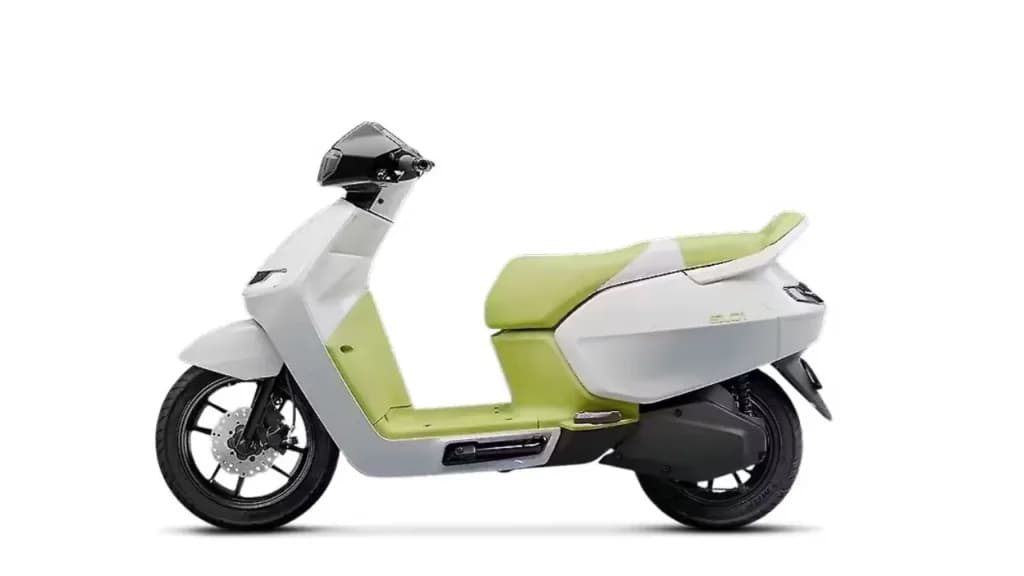
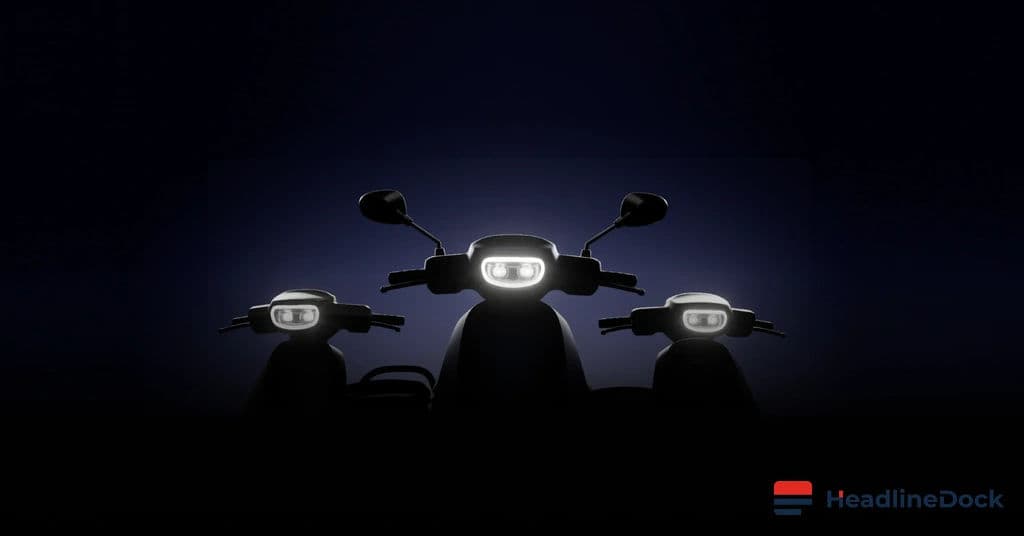
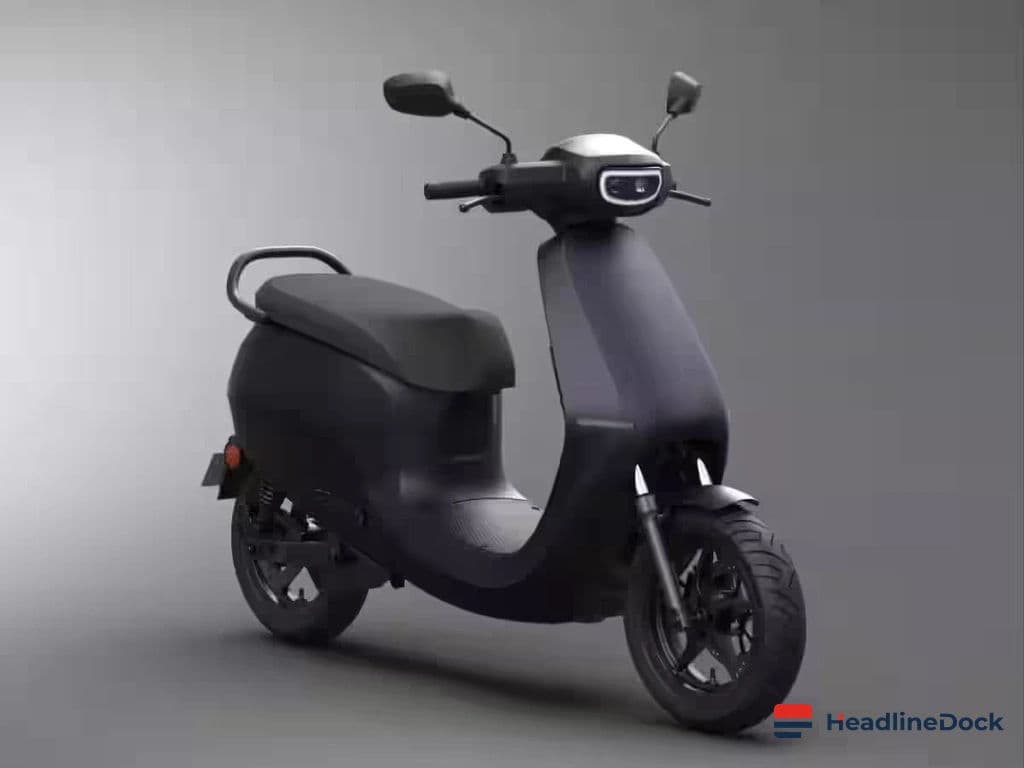
With approximately ₹1,259 crore in subsidies already distributed, this extension provides high-income customers a unique opportunity to choose from brands like Ola, Ather, and TVS electric scooters without hesitation. The additional period will allow companies to clear old stock and introduce newer models with improved features.
For the e-rickshaw and three-wheeler segments, though the budget has been reduced from ₹192 crore to ₹50 crore due to lower-than-expected sales, demand for these vehicles is still projected to increase. This continued support means that those seeking self-employment opportunities can rely on the government's financial backing for a two-year period.
The surge in electric vehicle ownership has seen nearly 1 million electric scooters on Indian roads. The government's focus on the affordable two-wheeler segment aims to foster sustainable infrastructure and consumer confidence, further driving the EV market forward.