Pan Card Update: New Rules Effective From April 1
Starting April 1, 2026, applying for a PAN card will require additional documents beyond Aadhaar. The CBDT is implementing new regulations to enhance verification processes.
Highlights
- •New document requirements: birth certificate, voter ID card, or Class 10th marksheet
- •Discontinued universal form; category-specific forms introduced (Form 93-96)
- •Changes effective from April 1, 2026; finalize applications by March 31, 2026
- •Aim to improve data classification and management for better tax administration
With just a few days left to apply for a PAN card under the current rules, a significant change is on the horizon. As of April 1, 2026, the Central Board of Direct Taxes (CBDT) will implement new regulations introduced through the Income Tax Rules, 2025. These changes are aimed at streamlining data verification and ensuring robust identification processes.
New Document Requirements for PAN Card Applications
After April 1, applicants seeking a PAN card must submit additional documents beyond their Aadhaar card. The Income Tax Department no longer accepts the Aadhaar card as sole proof of date of birth, identity, and address. For verification purposes, acceptable documents now include a birth certificate, voter ID card, or Class 10th marksheet. This adjustment aligns with broader efforts to enhance tax administration efficiency.
It's important for individuals planning to apply for a new PAN card to take this into account before April 1. The change from the simple Aadhaar-based process means those already holding a PAN may find their application requirements differ based on current and updated records.
Updated Forms for Different Applicants
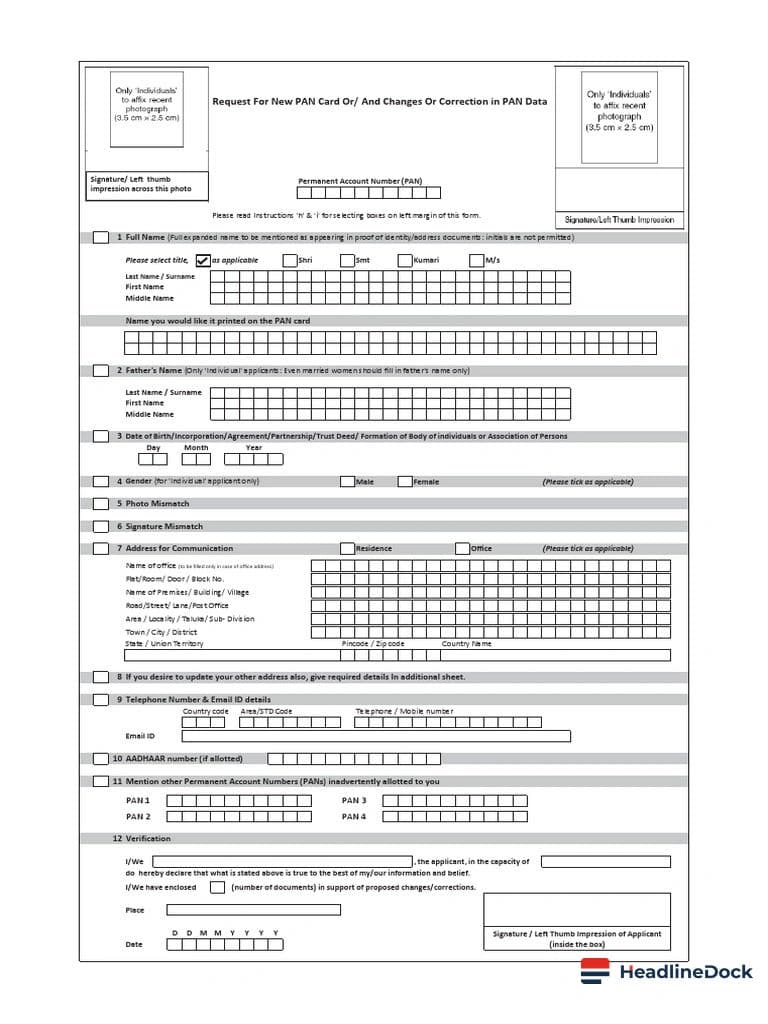
The Income Tax Department has discontinued its universal application form in favor of category-specific forms. For Indian citizens, Form 93 will be the primary document to use. Companies and entities within India will now fill out Form 94, while foreign nationals seeking a PAN card should use Form 95 and businesses from abroad must complete Form 96. The new classification system is expected to improve data management within the tax administration framework.
The move to differentiated forms aims to better categorize and store taxpayer information, simplifying future processes. It's imperative that applicants familiarize themselves with these changes and prepare accordingly by March 31, 2026, when the new rules will take effect.