Pakistan Extends Airspace Ban On Indian Aircraft For Another Month
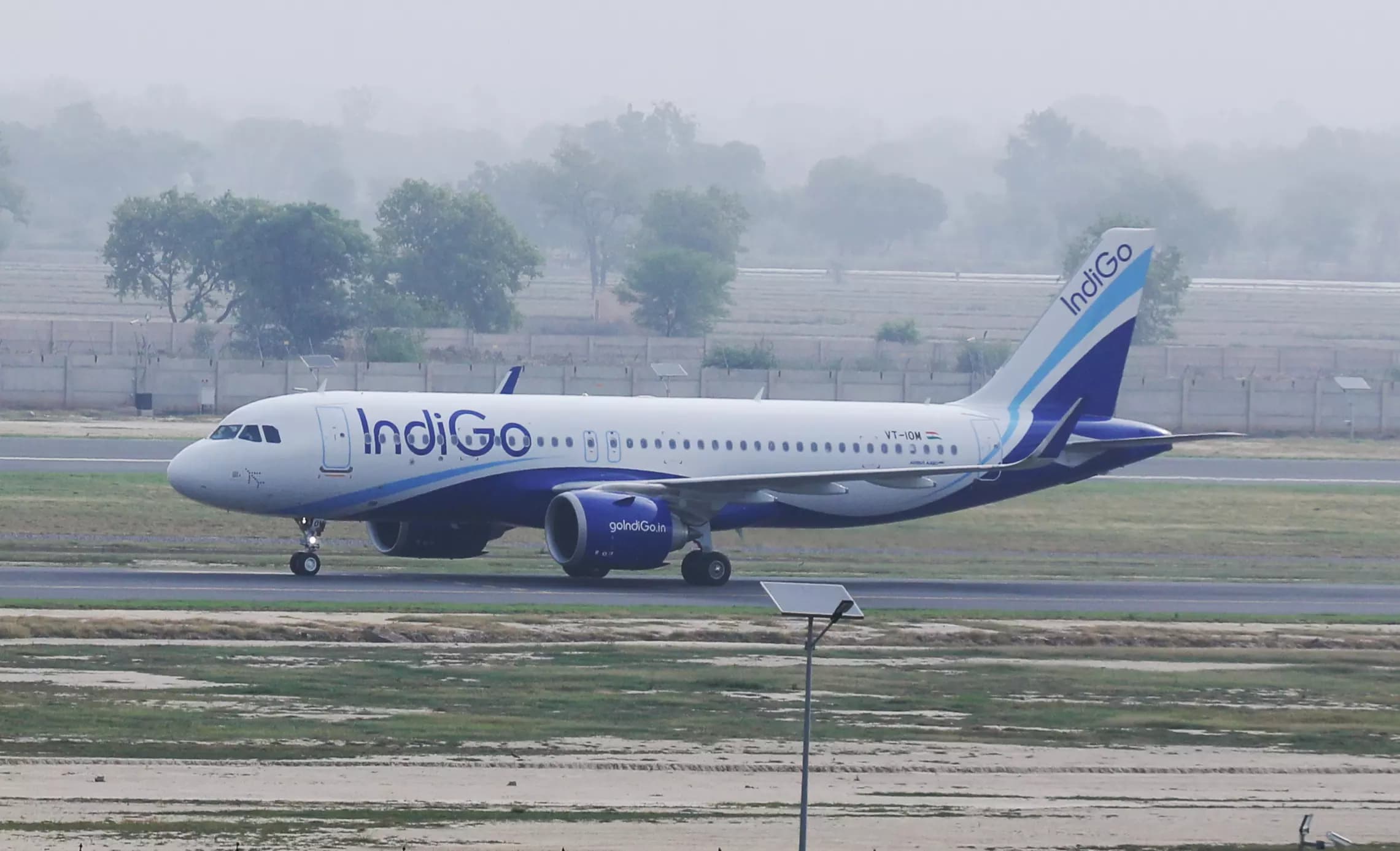
Pakistan has extended the airspace ban on Indian civil and military aircraft until July 24, 2026. Originally imposed following the April 2025 Pahalgam security crisis, the ongoing restrictions continue to force Indian airlines to use longer, costlier flight paths for international travel.
Highlights
- •Pakistan has extended its airspace ban on Indian aircraft until July 24, 2026.
- •The restrictions apply to both civil and military flights from India.
- •The policy was originally enacted following the April 2025 security crisis in Pahalgam.
- •Indian airlines face increased operational costs due to necessary rerouting of international flights.
The Pakistan Airports Authority has officially announced an extension to the existing airspace ban on Indian aircraft, prolonging the restriction for an additional month. This measure, which affects both civil and military flights, is now scheduled to remain in force until 4:59 am on July 24, 2026. These ongoing limitations continue to influence cross-border aviation logistics following a period of heightened geopolitical friction.
Impact of the Airspace Ban on Indian Aircraft
The constraints regarding the airspace ban on Indian aircraft were initially implemented in April 2025. This decision followed a volatile security incident in Pahalgam, Jammu and Kashmir, which resulted in the loss of 26 lives. The ensuing diplomatic and military stand-off led both nations to adopt various retaliatory measures, including reciprocal restrictions on aviation transit. While active military engagement has subsided, the administrative policies governing the skies remain a point of contention between the two neighbors.
The continued closure of these flight paths presents significant challenges for the aviation sector. Indian airline operators have been compelled to adjust their flight plans, often opting for longer, more circuitous routes to reach key destinations. These detours impact travel to regions across Central Asia, Europe, West Asia, and North America. The necessity for these extended trajectories inevitably increases operational expenses, including higher fuel consumption and crew hours, creating a ripple effect across regional air transport networks.
Geopolitical Relations and Aviation Restrictions
Diplomatic channels between the two countries remain strained, with little evidence of a near-term reversal of these aviation restrictions. Although tensions have eased compared to the intensity of the four-day military conflict witnessed previously, the status quo regarding airspace management persists as a lingering artifact of that crisis. The notice issued by the authorities in Lahore serves as a reminder of how national security policies continue to dictate the movement of civilian and military transport in the region.
For passengers and logistics companies alike, the persistence of the airspace ban on Indian aircraft underscores the vulnerability of international travel corridors to regional political developments. As the July 24 deadline approaches, stakeholders in the aviation industry will continue to monitor the situation for any potential shifts in policy that could restore normalized air transit. Until such diplomatic breakthroughs occur, airlines remain focused on managing the logistical complexities of these sustained restrictions.